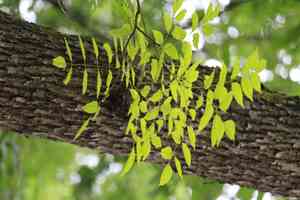
Nepali hog-plum (Choerospondias axillaris)
Also known as: Nepalese Hog Plum, Ceylon Oak, Angkak
The **Erythrina subumbrans** is a rapidly growing tree frequently utilized for woodland restoration in northern Thailand. Its seeds are dispersed by birds and small mammals that consume the fruit, aiding in the tree's proliferation and the ecosystem's recovery.
In This Article
Attributes of Nepali hog-plum
Lifespan
Perennial
Plant Type
Tree
Plant Height
20 m
Spread
6-12 meters
Leaf Color
Green
Flower Size
3 mm to 5 mm
Flower Color
Red Brown
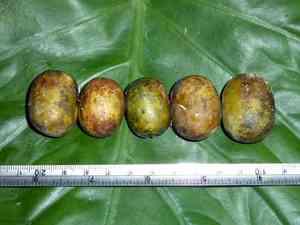
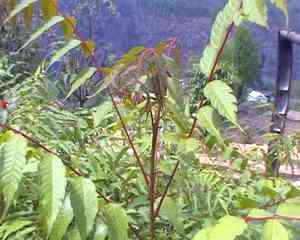
Images of Nepali hog-plum
Quickly Identify Nepali hog-plum
1
Choerospondias axillaris can be identified by its compound leaves with 7-13 leaflets, its grayish bark, and the small yellow-green flowers. The fruit is drupe-like, yellow to reddish when ripe.
Scientific Classification of Nepali hog-plum
Phylum
Vascular plants
Class
Dicotyledons
Order
Maples, mangos, mahogany, citrus, and allies
Family
Cashew
Genus
Choerospondias
Species
Nepali hog-plum
Planting and Growing of Nepali hog-plum
Care Difficulty
Easy
Watering Schedule
Every 2 days
Sunlight Requirements
Partial sun
Sunshine Duration
4-6 hours
Ideal Temperature
64-77℉
Soil Type
Potting Mix, Peat Mix
Soil pH
6.5-7.5
Fertilizer Type
Balanced
Pruning Season
Spring, Summer
Pruning Area
Branches, Leaves
Pruning Frequency
2 times a year
Repotting Season
Spring
Pot Type
Plastic, Ceramic
 How to Water Nepali hog-plum?
Choerospondias axillaris, commonly known as Ceylon oak, requires a moderate watering schedule. You'll want to deeply water the plant until the soil feels moist to about 2 inches below the surface. Ensure thorough saturation, but avoid waterlogging. This approach balances moisture needs while preventing root rot.
What are the symptoms of an underwatered Nepali hog-plum?
›
What should I do if my Nepali hog-plum is not getting enough water?
›
What are the symptoms of an overwatered Nepali hog-plum?
›
How to save an overwatered Nepali hog-plum?
›
 What Are the Sunlight Requirements for Nepali hog-plum?
Choerospondias axillaris thrives in partial sun with 4 to 6 hours of sunlight daily. Proper light exposure ensures vigorous growth, lush foliage, and enhanced resilience against environmental stressors.
More About Sunlight Requirements Techniques→
What is the best sunlight exposure for Choerospondias axillaris?
›
How can I ensure Choerospondias axillaris receives its desired light?
›
What benefits does optimal sunlight provide to Choerospondias axillaris?
›
 What Is the Ideal Temperature Range for Nepali hog-plum?
The ideal temperature range for cultivating Choerospondias axillaris is between 64°F and 77°F. This range helps ensure optimal growth and development, allowing the plant to function efficiently and produce healthy foliage and fruits.
 What Soil is Best for Nepali hog-plum?
Choerospondias axillaris thrives in well-drained soil to prevent waterlogging. Proper drainage ensures that roots receive enough oxygen, which is crucial for healthy growth and development, minimizing the risk of root rot. A nutrient-rich growing medium is essential for optimal growth. The presence of organic matter and essential nutrients supports vigorous growth, fostering lush foliage and robust fruiting. While the soil needs to be well-drained, it should also retain some moisture to support the plant during dry periods. Balanced moisture levels help in sustaining growth without causing drought stress.
 How to Fertilize Nepali hog-plum?
For Choerospondias axillaris, a moderate amount of fertilizer is recommended. Generally, for liquid fertilizers, use about 1/2 cup per gallon of water and apply it around the base of the plant. If utilizing granular fertilizers, distribute approximately 1/4 pound per tree, gently working it into the soil.
 How to Prune Nepali hog-plum?
Ensure you have sharp, clean pruning shears and possibly a saw for larger branches. Disinfect your tools with a mixture of one part bleach to nine parts water to prevent the spread of diseases. Look for dead, diseased, or damaged branches first. These should be removed to prevent any infection from spreading. Also, identify branches that cross or crowd each other as they can hinder growth. Make clean cuts just above a bud or lateral branch to encourage healthy regrowth. Be mindful of angles; a slight angle helps prevent water accumulation, which can lead to rot. Trim back branches to shape the tree, maintaining a balanced structure. This not only improves aesthetics but also ensures that all parts of the tree receive adequate sunlight. After pruning, ensure the tree is well-watered and consider applying a suitable mulch to retain moisture. Monitor the tree for signs of stress or disease over the following weeks.
More About Pruning Techniques→
 How to Propagate Nepali hog-plum plant?
1
Harvest mature seeds from the Choerospondias axillaris fruits. Ensure the seeds are fully ripe and free from any signs of disease or damage.
2
Select healthy, disease-free branches for cuttings. Each cutting should be about 10-15 centimeters long. Remove any leaves from the lower half to prevent rot.
3
Plant seeds or cuttings in a prepared mix. Keep the soil consistently moist but not waterlogged. Provide indirect sunlight to encourage growth.
 How to Repot Nepali hog-plum plant?
1
Choerospondias axillaris should be repotted when you notice roots growing out of the drainage holes or circling on the soil surface. Another signal is when water drains too quickly, indicating root-bound conditions. Ideally, repot during growth spurts in spring or summer.
2
Choose a pot that is only 1-2 inches larger in diameter than the current one. This prevents overpotting and ensures that the plant can establish roots without excessive moisture retention, which can lead to root rot. Utilize materials like clay or ceramic for good breathability.
3
Opt for a well-draining organic mix that includes components like perlite, coco coir, and some compost. This type of soil will provide essential nutrients while allowing excess water to drain, mimicking the plant's natural environment.
Learn More About Nepali hog-plum Diseases
Anthracnose
Bacterial Leaf Spot
Bacterial Soft Rot
Bacterial Wilt
Black Spot
Chemical Injury
Crown Gall
Cyst Nematode
Damping-off
Downy Mildew
Drought Stress
Fusarium Wilt
Gray Mold
Leaf Curl
Leaf Spot
Mosaic
Nutrient Deficiency
Nutrient Toxicity
Powdery Mildew
Root Rot
Root-knot Nematode
Rusts
Sooty Mold
Spider Mites
Temperature Stress
Thrips Damage
White Mold



