How to Propagate Nepali hog-plum?
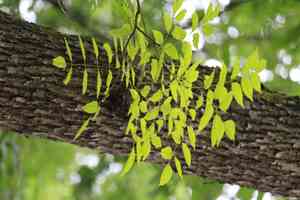
Nepali hog-plum is propagated via grafting, a technique that encourages a robust root structure and uniform fruit characteristics. To propagate nepali hog-plum, choose a vigorous, pathogen-free scion from an established specimen. Execute a precise, slanted incision to unite it with a suitable rootstock, ensuring a tight connection for effective nutrient transport. Fasten the graft junction with grafting tape and sustain appropriate humidity for successful integration. With diligent post-grafting attention, nepali hog-plum will mature into a sturdy plant producing fruit identical to the source variety.
When Is the Optimal Time to Propagate Nepali Hog-plum?
Propagation Type
Grafting
Propagation Season
Spring,Winter
What Equipment Is Utilized in Nepali Hog-plum Propagation?
Grafting Knife
A sharp, sturdy grafting knife is vital for precise cuts and preparing the scion and rootstock of nepali hog-plum. Its keen edge ensures clean incisions, minimizing damage and boosting the likelihood of a successful graft union.
Pruning Shears
Used to trim and shape the rootstock of nepali hog-plum prior to grafting. Clean, sharp shears help prevent infections and encourage healthier grafts by making accurate cuts that heal more efficiently.
Grafting Tape
This flexible tape is essential for holding the graft union firmly in place. It maintains the necessary pressure on the joint, shielding it from environmental elements and preserving graft alignment during the healing process.
Rooting Hormone
While primarily used in other propagation methods, a rooting hormone can sometimes assist nepali hog-plum in grafting â particularly to enhance root development in specific graft types like approach grafting, where scion root growth is desired.
Grafting Wax
Seals the grafting cuts against moisture loss and pathogens. By providing a protective barrier, grafting wax ensures that moisture and nutrients are retained within the graft site, which is crucial for the healing and eventual growth of nepali hog-plum.
Disinfectant Solution
Used for sterilizing all tools before and after the grafting process. This prevents the spread of diseases between plants and is vital for maintaining the overall health and viability of new grafts on nepali hog-plum.
How to Propagate Nepali Hog-plum?
Propagation Type
Moderately Difficult
How to Nurture Your Newly Propagated Nepali Hog-plum?
How to Care for Your Newly Propagated Nepali Hog-plum?
Following grafting, keep nepali hog-plum in a sheltered, partially shaded spot to avoid direct sunlight that could stress the plant. Regularly check soil moisture levels, ensuring it stays consistently damp but not waterlogged. Remove any shoots emerging below the graft site to direct growth into the scion. Monitor the graft for signs of fusion over several weeks, and gradually introduce the plant to more exposed conditions as it recovers and grows.
Common Errors to Avoid When Propagating Nepali Hog-plum
Inadequate seed preparation
Failing to properly prepare nepali hog-plum seeds for germination is a frequent error, which can lead to poor sprouting rates. This might involve not cleaning the seeds thoroughly or omitting stratification if necessary.
Overwatering cuttings
Excessive water for nepali hog-plum cuttings can result in root rot and fungal issues, as their cuttings are sensitive to overly moist conditions.
Poor soil conditions
Using soil that drains poorly or lacks nutrients can impede the growth of nepali hog-plum. This is because nepali hog-plum requires well-draining soil rich in organic matter for healthy development.
Insufficient light
Placing nepali hog-plum propagules in a location with inadequate light can weaken the plant, as nepali hog-plum needs good indirect light to flourish.
Overuse of fertilizer
Applying too much fertilizer can scorch the delicate roots of young nepali hog-plum plants, leading to stunted growth or death.
Advice For Propagating Nepali Hog-plum
Seed treatment
To boost germination, clean nepali hog-plum seeds thoroughly and consider a stratification period if advised. This will mimic natural conditions and increase the chances of successful seedling development.
Moisture management
Maintain a balanced moisture level when rooting nepali hog-plum cuttings. The substrate should be moist but not saturated, to encourage healthy root growth without decay.
Soil quality
Propagate nepali hog-plum in well-draining soil that is rich in organic matter to provide a strong foundation for root development and plant growth.
Light requirements
Position nepali hog-plum propagules in bright, indirect sunlight to ensure they receive sufficient light without exposure to harsh direct sun, which can be harmful.
Fertilization strategy
Apply a balanced, mild dose of fertilizer to young nepali hog-plum plants to support their growth without overwhelming them with nutrients, which can cause root burn.



