Enhancing Your Garden Design with the Nepali hog-plum Plant: A Landscaping Guide
1
The Nepali hog-plum offers a vibrant aesthetic through its seasonal transformations.
2
Nepali hog-plum flourishes in soil that drains effectively and receives adequate sunlight.
3
Adding Nepali hog-plum to your garden can boost property worth and support ecological diversity.
Appreciating the Visual Charm of Nepali hog-plum
Visual Impact: How Nepali hog-plum's Appearance Enhances Outdoor Areas
The visual effect of Nepali hog-plum in your garden design is significant. Its abundant leaves, coupled with sturdy branches, present a striking look that can act as a focal point in your yard. Whether utilized as a solitary tree or as part of a cluster planting, Nepali hog-plum's substantial presence immediately draws attention. Furthermore, its capacity to reach considerable heights adds a vertical element to your landscape, giving your garden a layered and more intricate appearance.
Texture and Color Contributions of Nepali hog-plum
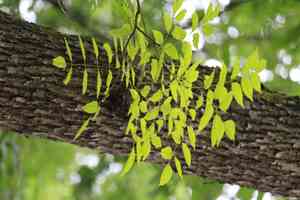
Nepali hog-plum provides a distinct mix of textures and hues that can elevate your garden's overall beauty. Its leaves, which are broad and vividly green, create a rich ground cover, making areas feel fuller and more vibrant. The bark of Nepali hog-plum introduces an intriguing textural contrast, with its rough and occasionally peeling surface offering a rustic charm. Moreover, the small, bright fruits it produces not only add a burst of color but also attract local wildlife, thereby enriching the sensory experience of your space.
Seasonal Transformations: Nepali hog-plum's Evolution Throughout the Year
Nepali hog-plum is remarkably dynamic, displaying various facets of its splendor throughout the year. In spring, the fresh green leaves and budding flowers signal the start of a new growth cycle. Summer brings full foliage, offering ample shade and a lush backdrop for other plants. By autumn, the leaves may shift to yellow tones or fall, creating a carpet of colors. Winter reveals the textured bark and structural grace of the branches. This year-round appeal ensures that Nepali hog-plum remains a central feature regardless of the season, providing visual interest all year long.
Choosing the Optimal Location for Nepali hog-plum in Gardens
Assessing Sunlight and Shade Requirements
Determining the correct spot for Nepali hog-plum involves understanding its needs for sun exposure and shade. Nepali hog-plum generally flourishes in areas where it receives a blend of both, preferring morning sun and some afternoon shade. If planted in full sun, ensure the soil stays moist to support its development. Conversely, in partial shade, Nepali hog-plum can concentrate on extending its branches to maximize light absorption. Achieving this balance is vital for its healthy growth, so evaluate your garden's sun and shade patterns before selecting a site.
Soil Preferences and Drainage Needs
Soil quality and drainage capabilities are crucial when cultivating Nepali hog-plum. It favors well-drained, loamy soil that retains moisture without becoming waterlogged. The pH level should be slightly acidic to neutral for optimal growth. If your soil is heavy clay or sandy, amendments like compost or organic matter can enhance its structure and fertility. Adequate drainage helps prevent root rot, a common issue that can impact Nepali hog-plum's health. Regularly checking soil conditions and ensuring proper drainage can significantly contribute to the tree’s vitality.
Space Allocation: Balancing Size and Growth Patterns
Before planting Nepali hog-plum, consider its mature size and growth habits to ensure it has sufficient room to thrive. This tree can grow quite large, so it requires space for its roots to spread and its branches to extend. Positioning Nepali hog-plum too close to structures or other trees can restrict its growth and affect its overall health. Providing ample space also allows it to serve as a focal point without crowding other plants. By planning ahead, you can create a balanced and aesthetically pleasing landscape featuring Nepali hog-plum.
Integrating Nepali hog-plum with Other Garden Elements
Creating Harmony with Existing Plants
To seamlessly incorporate Nepali hog-plum into your landscape, it's important to consider the current vegetation. Nepali hog-plum complements a variety of plants due to its adaptable nature. Pairing it with shrubs and flowers that have contrasting colors and textures can create a unified look. For instance, the green leaves of Nepali hog-plum combine well with brightly colored blossoms, creating a visually appealing contrast. Additionally, planting ground covers or low-growing plants around its base can enhance the overall aesthetic, making your garden appear well-designed and harmonious.
Utilizing Nepali hog-plum for Privacy and Boundaries
Nepali hog-plum can be effectively employed for privacy and as natural borders in your landscape. Its dense foliage forms a natural screen that can block undesirable views and offer seclusion from neighbors. Planting Nepali hog-plum along property lines can serve as a living fence, defining spaces while adding beauty to your garden. This application not only boosts privacy but also contributes to a more eco-friendly and sustainable approach compared to artificial fences. The versatility of Nepali hog-plum makes it an excellent choice for establishing natural barriers.
Contrast and Focal Points: Strategic Placement Ideas
Using Nepali hog-plum as a central feature in your landscape can attract attention and establish a sense of equilibrium. Its striking appearance and dynamic form make it an ideal candidate for thoughtful positioning. Consider placing Nepali hog-plum in areas where it can be observed from various angles, such as the center of a lawn, at the end of a path, or near a patio. This placement can highlight the tree's beauty and add depth to your garden. Combining Nepali hog-plum with hardscapes like benches or sculptures can further enhance its role as a focal point.
Care Guidelines for Sustained Growth of Nepali hog-plum
Pruning Techniques: Fostering Health and Appearance
Regular trimming is crucial to maintain the health and aesthetic appeal of Nepali hog-plum. Pruning helps remove dead or diseased branches, encouraging new growth and improving overall structure. It's best to prune in late winter or early spring before new growth commences. Use clean, sharp tools to make precise cuts, and focus on maintaining a balanced shape. Avoid excessive pruning as it can stress the tree and impede its development. With careful and consistent pruning, Nepali hog-plum can flourish and enhance the beauty of your landscape.
Watering Schedules Tailored for Nepali hog-plum
Nepali hog-plum requires a specific watering routine to ensure its healthy development. During the initial planting phase, water Nepali hog-plum thoroughly to establish its root system. Once established, Nepali hog-plum prefers consistent moisture, especially during dry spells. However, it's vital not to overwater, as this can lead to root rot. A good practice is to water deeply but infrequently, allowing the soil to dry out slightly between waterings. Mulching around the base can help retain moisture and regulate soil temperature, promoting a healthier root environment.
Seasonal Care Adjustments
Nepali hog-plum necessitates different care practices throughout the seasons to ensure its continuous growth. In spring, focus on feeding Nepali hog-plum with a balanced fertilizer to support new growth. Summer demands attentive watering, particularly during dry periods. Autumn is an excellent time for pruning and preparing Nepali hog-plum for the colder months. Applying mulch before winter helps insulate the roots and protect them from freezing temperatures. Regularly checking for pests and diseases in each season can prevent potential issues and keep Nepali hog-plum healthy year-round.
The Enduring Advantages of Incorporating Nepali hog-plum in Your Garden
Boosting Property Value Through Appealing Landscaping
Integrating Nepali hog-plum into your landscape can significantly increase the worth of your property. A well-designed garden featuring Nepali hog-plum adds curb appeal and creates a favorable first impression for prospective buyers. The aesthetic and practical benefits of Nepali hog-plum contribute to a more attractive and valuable outdoor space. Investing in quality landscaping with Nepali hog-plum can yield high returns, making it a worthwhile addition for homeowners seeking to elevate their property value.
Environmental Benefits: Encouraging Biodiversity
Nepali hog-plum offers various ecological advantages that promote biodiversity in your garden. Its fruits attract birds and other wildlife, contributing to a balanced ecosystem. The dense foliage provides shelter for diverse species, enhancing the habitat variety of your landscape. Additionally, Nepali hog-plum helps improve air quality by absorbing pollutants and producing oxygen. Including Nepali hog-plum in your garden supports local ecosystems and fosters a more sustainable and environmentally friendly outdoor space.
Personal Fulfillment and Well-being
The presence of Nepali hog-plum in your garden can have profound effects on personal contentment and overall well-being. Gardening and tending to Nepali hog-plum provide physical activity and a sense of accomplishment. The aesthetic beauty and tranquil environment created by Nepali hog-plum offer relaxation and stress relief. Furthermore, the connection with nature and the chance to observe seasonal changes can enhance mental well-being. Overall, Nepali hog-plum not only beautifies your landscape but also contributes positively to your quality of life.



