How to Prune Nepali hog-plum?
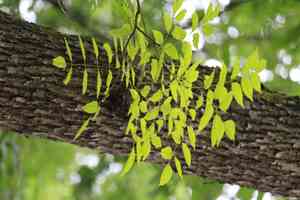
Originating from highland areas, nepali hog-plum is a deciduous tree recognized for its tart produce. Trim nepali hog-plum during late winter prior to the emergence of new spring foliage. Concentrate on excising deceased or ailing branches, reducing crowded sections to boost air movement, and shortening elongated branches to preserve its structure. Trimming enhances fruit yield and the tree's well-being. Refrain from making extensive cuts to avert strain. This careful method supports the plant's inherent shape and guarantees robust seasonal development.
What Are the Benefits of Pruning Nepali Hog-plum?
What Are the Benefits of Pruning Nepali Hog-plum?
Trimming nepali hog-plum encourages more abundant yields and promotes robust development by channeling energy to productive sections. Regular shaping maintains its form, improving both visual appeal and structural resilience against pests and illnesses.
What Is the Best Time for Pruning Nepali Hog-plum?
What Is the Best Time for Pruning Nepali Hog-plum?
Pruning nepali hog-plum in late winter is advantageous as it precedes the spring growth surge. This timing allows for shaping the tree and removing dead or diseased branches without significantly affecting new growth. Additionally, since nepali hog-plum is dormant in winter, the risk of disease transmission and plant stress is minimized. Late winter pruning also ensures no interference with the flowering or fruiting cycle, as nepali hog-plum typically flowers in spring and fruits in summer. This strategically timed pruning practice ultimately contributes to a healthier plant and a more plentiful fruit yield.
What Tools Do I Need to Prune Nepali Hog-plum?
Bypass Pruners
Perfect for cleanly cutting green, live branches of nepali hog-plum up to 1/2 inch in diameter without crushing plant tissues.
Lopping Shears
Suitable for cutting thicker branches, typically up to 1 1/2 inches in diameter, essential for shaping nepali hog-plum and removing larger unwanted limbs.
Pruning Saw
Recommended for branches over 1 1/2 inches thick that lopping shears cannot manage, ensuring clean cuts without harming nepali hog-plum.
Pole Pruner
For reaching and safely cutting higher, inaccessible branches of nepali hog-plum without needing a ladder.
Hand Gloves
Crucial for protecting hands from thorns and sap while trimming nepali hog-plum.
Pruning Sealant
To apply on larger cuts after pruning, sealing to protect nepali hog-plum from diseases and pests.
How to Prune Nepali Hog-plum
Clean Tools
Sanitize all cutting implements with a bleach or alcohol solution to prevent disease spread during pruning.
Inspect nepali hog-plum
Examine nepali hog-plum for any dead or diseased branches, identifying which parts need removal. Look for discolored branches, signs of infection, or those no longer bearing leaves or fruit.
Cut Dead Branches
Using sharp pruning shears or a saw, cleanly cut dead branches close to the trunk without damaging the collarâthe swollen area where the branch meets the trunkâto promote quick healing.
Remove Diseased Branches
Carefully remove diseased branches by cutting well below the affected area to eliminate all parts of the branch that may contain disease. Dispose of these properly to avoid contamination.
Sanitize
After each cut, immediately sanitize the pruning tools to prevent spreading pathogens to healthy parts of nepali hog-plum.
Common Pruning Mistakes with Nepali Hog-plum
Over Pruning
Removing too much foliage or too many branches can stress nepali hog-plum, hindering its ability to thrive. Excessive pruning can decrease fruit production and vigorous growth.
Improper Cut Location
Cuts made too close to the trunk or remaining branch can damage the collar, delaying healing and potentially leading to disease. Conversely, leaving too much of a stub can also encourage disease and pests.
Using Dull Tools
Dull or unclean pruning tools can cause ragged cuts, making nepali hog-plum more susceptible to disease and pests. It's essential to use sharp, clean tools for smooth cuts.
Pruning Without Plan
Random or excessive cutting without understanding the growth pattern can result in poor plant shape and open up areas to pests and diseases. Pruning should be done strategically.
Common Pruning Tips for Nepali Hog-plum
Clean Tools
Use sanitized, sharp pruning shears to make clean cuts. This reduces the risk of spreading disease and ensures minimal damage to nepali hog-plum.
Strategic Thinning
Thin out overcrowded branches to enhance air circulation and sunlight penetration. This promotes healthy foliage and flowering on nepali hog-plum.
Prune Dead Or Diseased
Regularly remove dead or diseased limbs to prevent the spread of decay and to maintain the plant's overall health.
Shape Maintenance
Periodically prune to maintain the desired shape and size of nepali hog-plum, which encourages a strong, aesthetically pleasing structure and optimizes fruit production.



