How to Transplant Desert sweet?
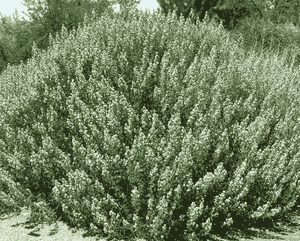
The most favorable period for relocating desert sweet is as late spring transitions into early summer, offering mild conditions conducive to root development. Select a location bathed in sunlight with soil that drains effectively to guarantee the thriving of desert sweet, thereby furnishing an ideal habitat for this resilient perennial.
Essential Preparations Before Relocating Desert Sweet
Optimal Timing for Relocating Desert Sweet?
The best period for moving desert sweet is from late spring to early summer. This timeframe, characterized by mild temperatures and abundant sunlight, promotes excellent root development before the cold season. Shifting desert sweet during this season leverages its growth cycle, providing an ideal setting for vigorous development. A helpful hint: transplanting desert sweet now guarantees a landscape that is both robust and vibrant, as natural rhythms align to welcome your garden's newest green addition!
Required Spacing Between Desert Sweet Plants?
For successful desert sweet growth, ensure a separation of approximately 3-4 feet (0.9-1.2m) between each plant. This provides ample room for the plants to expand and flourish, making your garden lush and lively.
Best Soil Mixture for Desert Sweet Relocation?
Soil is crucial for desert sweet's development. Choose well-draining soil and incorporate a balanced, slow-release base fertilizer to nourish your plants over time. This guarantees they receive all necessary nutrients to thrive.
Ideal Location for Your Desert Sweet?
Bright, sunny locations will greatly benefit your desert sweet. Aim to position them where they will receive full sun exposure. This will enhance their growth and maintain the vividness of their foliage, creating a stunning garden display.
Equipment Needed Before Transplanting Desert Sweet?
Spade or Shovel
For excavating the plant from its original spot and preparing the new planting hole.
Gardening Gloves
To safeguard your hands while handling soil and plants.
Gardening Trowel
To fine-tune the planting hole if necessary.
Watering Can or Hose
For hydrating the plant post-transplantation.
Mulch
To aid in retaining soil moisture around the newly planted area.
Compost
To supply nutrients that support the development of a strong and healthy plant.
How to Extract Desert Sweet from the Soil?
How to Extract Desert Sweet from the Soil?
From Ground: First, moisten the desert sweet plant's soil. Then, dig a wide trench around the plant using a spade or shovel, ensuring the root ball remains intact. Carefully work the spade beneath the root ball to lift the plant from its initial location.From Pot: Begin by watering the desert sweet plant in its container. Then, gently tilt the pot sideways, and lightly tap it to loosen the soil and root ball. Place one hand over the soil surface (with the plant stem between your fingers) and invert the pot. This should allow the plant and its root ball to slide into your hand.From Seedling Tray: After thoroughly watering the seedlings, use a kitchen utensil like a spoon to carefully pry them out, taking care not to harm the delicate root system. Keep as much of the original soil around the desert sweet roots as possible.
Step-by-Step Guide for Relocating Desert Sweet
Preparation
Prepare your chosen transplanting site by clearing any debris and weeds. Dig a hole twice the width of the root ball and of equal depth. Loosen the soil at the base of the hole with your gardening trowel.
Transplanting
Position the desert sweet plant directly in the center of the hole. The top of the root ball should be level with or slightly below the surrounding soil surface. Backfill around the root ball with soil, gently firming it with your hands.
Watering
Thoroughly water the plant using a watering can or hose. This helps the soil settle around the roots and eliminates any air pockets.
Mulching
Spread a 2-3 inch layer of mulch around the plant's base. This aids in retaining soil moisture and inhibiting weed growth.
Post-Transplantation Care for Desert Sweet
Watering
Maintain consistent, but not waterlogged, moisture levels in the soil around the desert sweet for the initial weeks after transplanting to encourage strong root development.
Checking
Regularly inspect for signs of transplant shock, such as wilting, yellowing, or leaf drop. If these symptoms appear, avoid further watering and instead provide the plant with some shade until it recovers.
Pruning
If the desert sweet plant becomes leggy or overgrown, prune it back in early spring. This promotes denser growth and more blooms.
Resolving Common Issues with Desert Sweet Transplantation.
When is the optimal time to transplant desert sweet?
Desert sweet thrives best when moved between late summer and early autumn (S3-S5) for ideal growth.
What is the recommended spacing for desert sweet during transplantation?
Maintain a generous distance of 3-4 feet (0.91-1.22 meters) between each desert sweet plant. This ensures ample room for expansion.
What type of soil does desert sweet prefer for transplantation?
Desert sweet favors well-draining soil, enriched with organic matter. A sandy, loamy soil promotes better growth after transplantation.
How deep should I plant desert sweet during transplantation?
Plant desert sweet to the same depth it was previously growing. The root ball should be flush with or slightly below the soil surface.
What immediate care should I provide to desert sweet after transplantation?
Water the desert sweet thoroughly right after transplanting. Continue regular watering for a few weeks to assist with root establishment.
How much sunlight does desert sweet need post-transplantation?
Desert sweet requires full sunlight. Ensure it's placed in a spot that receives 6-8 hours of direct daylight for effective growth.
Why are the leaves of my newly transplanted desert sweet turning yellow?
Desert sweet's leaves may yellow due to excessive watering or poor drainage. Monitor watering habits and ensure the plant's soil isn't waterlogged.
What should I do if my transplanted desert sweet is not growing?
Consider testing the soil pH as desert sweet prefers slightly acidic to neutral soils. Also, confirm it receives sufficient sunlight and correct watering.
Can I transplant desert sweet into a pot?
Yes, desert sweet can grow in containers. Ensure the pot has adequate drainage and the plant is in its preferred soil.
How often should I water desert sweet after transplanting?
A newly transplanted desert sweet requires consistent moisture. Water it deeply weekly, but adjust based on local climate and soil type.



