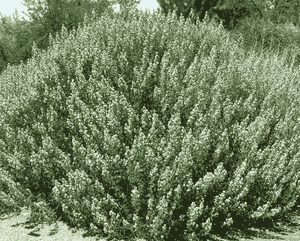
Desert sweet (Chamaebatiaria millefolium)
Also known as: Fernbush
Another name for Chamaebatiaria millefolium is fernbush, named for its fern-like foliage despite being a shrub. Its flowers are highly attractive to bees, making it an excellent option for eco-friendly gardening and supporting pollinators.
In This Article
Attributes of Desert sweet
Lifespan
Perennial
Plant Type
Shrub
Plant Height
91 cm to 2.5 m
Spread
90 cm to 1.5 m
Leaf Color
Green
Flower Size
2.5 cm
Flower Color
White
Images of Desert sweet
Quickly Identify Desert sweet
1
Identify Chamaebatiaria millefolium by its deeply lobed, fern-like leaves, aromatic scent, and clusters of small, white, five-petaled flowers that bloom in the summer.
Scientific Classification of Desert sweet
Phylum
Vascular plants
Class
Dicotyledons
Order
Rosales
Family
Rose
Genus
Fern bushes
Species
Desert sweet
Planting and Growing of Desert sweet
Care Difficulty
Easy
Watering Schedule
Every 3 days
Sunlight Requirements
Full sun
Sunshine Duration
10-12 hours
Ideal Temperature
50-70℉
Soil Type
Potting Mix, Peat Mix
Soil pH
6.5-7.5
Fertilizer Type
Balanced
Pruning Season
Spring, Summer
Pruning Area
Branches, Leaves
Pruning Frequency
2 times a year
Repotting Season
Spring
Pot Type
Plastic, Ceramic
 How to Water Desert sweet?
The amount of water required by Chamaebatiaria millefolium should be sufficient to moisten the soil deeply but not excessively. Typically, 500 milliliters per watering session is adequate. Ensure that the water penetrates the soil to reach the root zone without leaving it overly saturated, as this plant prefers well-drained conditions.
What are the symptoms of an underwatered Desert sweet?
›
What should I do if my Desert sweet is not getting enough water?
›
What are the symptoms of an overwatered Desert sweet?
›
How to save an overwatered Desert sweet?
›
 What Are the Sunlight Requirements for Desert sweet?
Chamaebatiaria millefolium ideally needs full to partial sun, ensuring robust growth, optimal flowering, and pleasing foliage. Adequate light supports overall health and resilience against pests and diseases.
More About Sunlight Requirements Techniques→
What is the ideal lighting condition for Chamaebatiaria millefolium?
›
How can you ensure it receives the ideal lighting?
›
What are the benefits of ideal lighting for this plant?
›
 What Is the Ideal Temperature Range for Desert sweet?
The ideal temperature range for the growth of Chamaebatiaria millefolium is between 50°F and 70°F. These temperatures provide optimal conditions for photosynthesis, nutrient uptake, and overall plant metabolism. Maintaining this range ensures vigorous growth and enhances resilience to environmental stresses.
 What Soil is Best for Desert sweet?
Chamaebatiaria millefolium thrives in well-drained soils which prevent waterlogging that can damage root systems. This requirement ensures healthy growth and reduces the risk of root rot, promoting vigorous plant health. The plant benefits from soils that are rich in organic matter. Nutrient-dense soils support the plant’s development, encouraging lush foliage and robust flowering. A slightly alkaline pH level of around 7.0 is ideal. This pH range enhances nutrient absorption, ensuring optimal growth and flowering.
 How to Fertilize Desert sweet?
When fertilizing Chamaebatiaria millefolium, it's crucial to provide the right amount. For liquid fertilizer, use it at half strength to avoid over-fertilization, as this plant is not heavy feeder. For solid fertilizers, apply around 50 grams per plant, ensuring it's well spread around the base without touching the stems.
 How to Prune Desert sweet?
When pruning Chamaebatiaria millefolium, use sharp, clean tools to ensure safety and plant health. Start by removing any dead or diseased wood. Cut back overgrown or leggy branches to encourage more compact, bushy growth. Aim to maintain its natural shape by selectively cutting branches rather than shearing. Prune unruly branches to maintain the desired size and shape of the plant. This not only keeps the shrub looking tidy but also increases airflow and exposure to sunlight, which helps prevent disease and promotes vigorous growth.
More About Pruning Techniques→
 How to Propagate Desert sweet plant?
1
Choose healthy, disease-free plants to take cuttings or collect seeds from. Plants should be mature and vigorous to ensure good genetic material and the potential for successful propagation.
2
Use clean, sharp tools to cut 4-6 inch stem sections for cuttings. Ensure the cutting has at least two nodes and remove any lower leaves to reduce moisture loss.
3
Sow seeds evenly in a seed tray filled with a light potting mix. Cover the seeds lightly with soil and water gently to avoid displacing them. Maintain consistent moisture until germination.
 How to Repot Desert sweet plant?
1
Chamaebatiaria millefolium signals its need for repotting through visible roots protruding from drainage holes or a noticeable decline in growth. Repot in early spring before new growth commences, allowing the plant to establish itself in the fresh soil during the growing season.
2
Select a pot slightly larger than the previous one, ensuring it has adequate drainage holes. This prevents waterlogging, helping maintain root health. The new pot should match the plant's aesthetic while offering enough room for root expansion without overwhelming its current size.
3
Opt for a sandy, well-draining soil mix to mimic the plant’s natural arid environment. This encourages proper aeration and prevents root rot by allowing excess water to easily escape, ensuring the roots do not sit in water.
Learn More About Desert sweet Diseases
Anthracnose
Bacterial Leaf Spot
Crown Gall
Cyst Nematode
Damping-off
Downy Mildew
Drought Stress
Fusarium Wilt
Gray Mold
Leaf Curl
Leaf Spot
Mosaic
Nutrient Deficiency
Nutrient Toxicity
Powdery Mildew
Root Rot
Root-knot Nematode
Rusts
Sooty Mold
Spider Mites
Temperature Stress
Thrips Damage
White Mold
Chemical Injury



