How to Propagate Desert sweet?
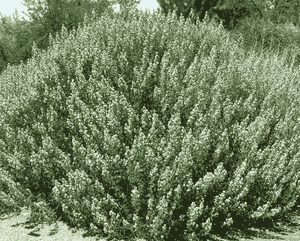
Originating from parched environments, desert sweet flourishes in porous substrates and ample sunlight, reflecting its natural habitat. Reproduction is typically accomplished via cuttings, guaranteeing a greater likelihood of success due to the plant's susceptibility to its cultivation parameters. Cultivators ought to choose vigorous, non-blooming stems for cuttings to foster strong root formation. These cuttings need to be situated in a rooting substrate that retains dampness without becoming saturated, aligning with desert sweet's preference for drier surroundings. Perseverance is crucial, as root development can be slow, but with diligent attention, these young plants will take hold, ultimately enriching landscapes with their delightfully scented flowers.
Optimal Period for Desert Sweet Propagation
Propagation Method
Cutting
Propagation Period
Autumn,Winter
Tools for Desert Sweet Propagation
Sharp Pruning Shears
These are crucial for obtaining clean, precise cuttings from desert sweet. Sharp blades ensure a neat cut without crushing stem tissue, vital for successful rooting. Clean cuts promote faster healing and reduce infection risk.
Rooting Hormone Powder or Gel
This product stimulates root formation on fresh desert sweet cuttings. Dipping the cut end into the hormone encourages quicker and more effective root growth than simply placing cuttings in soil or water. This is especially beneficial as desert sweet may root slowly naturally.
Sterile Potting Mix
A well-draining, sterile potting mix prevents disease and supports the initial growth phase of desert sweet cuttings by offering a healthy environment for root development. Its sterility ensures no pathogens harm vulnerable cuttings.
Propagation Trays
Used to arrange and support multiple desert sweet cuttings in a controlled setting. These trays help maintain consistent moisture and, when covered with a clear lid, can create a greenhouse-like environment conducive to rooting.
Propagating Desert Sweet
Propagation Difficulty
Moderately Difficult
Caring for Your Newly Propagated Desert Sweet
Caring for Your Newly Propagated Desert Sweet
Once desert sweet has developed a robust root system, gradually introduce the plant to less humid conditions. Water only when the top inch of soil feels dry, and provide full sun exposure as desert sweet thrives in bright environments. Fertilize with a balanced, slow-release fertilizer according to package directions to support healthy growth.
Common Errors to Avoid When Propagating Desert Sweet
Excessive Watering
Overwatering can lead to root rot, which is harmful as desert sweet prefers well-draining soil and moderate moisture. Too much water reduces oxygen availability to the roots, negatively impacting the plant's overall health.
Using Compacted Soil
Compacted soil restricts desert sweet's root expansion and can hinder proper drainage, potentially causing root diseases and inhibiting growth.
Ignoring Dead Parts
Failing to remove dead or diseased parts of desert sweet can spread decay to healthy sections, hindering regeneration and growth.
Too Much Fertilizer
Excessive fertilization can cause fertilizer burn or rapid, weak growth in desert sweet. The plant generally requires minimal additional nutrients if planted in appropriate soil.
Insufficient Light
Inadequate light can lead to etiolation, where desert sweet grows weakly as it stretches towards the light, affecting its stability and flowering capability.
Advice for Propagating Desert Sweet
Rooting Hormone
Applying a rooting hormone to desert sweet's cuttings can promote quicker and more successful root development, increasing propagation success.
Well-Draining Soil
Using well-draining soil or a mix will provide the right balance of moisture retention and aeration essential for desert sweet's root health.
Stem Cutting Selection
Choosing healthy, non-flowering stem cuttings for propagation increases the chances of successful rooting in desert sweet.
Adequate Lighting
Ensuring desert sweet receives ample light promotes vigorous growth and proper development, so choose a bright location without direct scorching sun.
Moderate Watering
Maintaining moderate watering practices allows desert sweet to establish its roots without the risk of rot, thus promoting a stronger plant.



