How Much Sunlight Do Desert sweet Need?
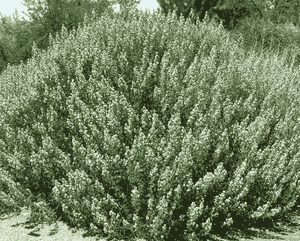
1
Desert sweet flourishes under ample sunlight, needing a minimum of six hours of direct sun daily.
2
Place your Desert sweet in a south-facing spot to maximize its sun exposure.
3
Foliage turning yellow and inhibited development signal that your Desert sweet requires increased light.
The Importance of Sunlight for Desert Sweet
Photosynthesis and Development
Sunlight is vital for photosynthesis, the process where plants convert light energy into chemical energy. For Desert sweet, ample sunlight promotes robust development, sturdy stems, and vibrant foliage. Insufficient sunlight hinders photosynthesis, leading to slower growth and reduced vigor.
Blooming and Reproduction
Sunlight also plays a key role in Desert sweet's flowering and reproductive cycles. Sufficient light enables the plant to produce blooms, which are essential for propagation. Without enough sunlight, your Desert sweet may struggle to flower, diminishing its capacity to set seeds and multiply.
Optimal Sunlight Conditions for Desert Sweet
Full Sun Requirements
Desert sweet flourishes in full sun. This means it requires direct sunlight for most of the day. The plant is well-suited to bright, sunny environments that mimic its natural habitat. Ensuring your Desert sweet receives abundant sunlight will foster strong growth and more flowers.
Daily Sunlight Duration
For peak growth, Desert sweet needs at least six hours of direct sunlight daily. Ideally, aim for eight hours to ensure the plant gets the energy it requires. Whether growing outdoors or indoors, monitoring and adjusting its light exposure is crucial for its well-being.
Positioning Desert Sweet for Maximum Sunlight
Outdoor Placement
For outdoor Desert sweet plants, select a spot that receives full sun throughout the day. South-facing locations are perfect as they get the most sunlight. Avoid planting near tall structures or trees that could cast shadows and reduce the light the plant receives.
Indoor Placement
If cultivating Desert sweet indoors, place it in a bright, sunny spot, such as a south-facing window. Ensure the plant gets enough light by rotating it regularly so all sides receive direct sunlight. Consider using supplemental grow lights, especially during shorter winter days.
Indicators Your Desert Sweet Needs More Sunlight
Yellowing Leaves
One of the initial signs your Desert sweet isn't getting enough sunlight is yellowing leaves. This indicates the plant's difficulty in performing photosynthesis efficiently. If you notice yellowing, assess its light exposure and relocate it to a sunnier spot if necessary.
Stunted Development
Another sign of inadequate sunlight is stunted growth. If your Desert sweet appears smaller than usual, with weak stems and fewer leaves or flowers, it's likely due to insufficient light. Increasing sunlight exposure will encourage healthier and more vigorous development.
Effects of Excessive Sun on Desert Sweet
Leaf Scorch
While Desert sweet thrives in full sun, too much intense sunlight can cause leaf scorching. Scorched leaves appear brown, crispy, and may even develop holes. If you observe any signs of scorching, consider providing some shade during the hottest parts of the day.
How to Provide Shade
To shield your Desert sweet from excessive sunlight, use shade cloth or position it near other plants that can offer partial shading. In outdoor settings, planting companion plants can provide natural shade. Indoors, you can use sheer curtains to diffuse direct sunlight during peak hours.



