How to Prune Desert sweet?
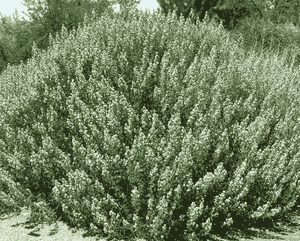
A persistent woody plant featuring fragrant leaves and groupings of white blossoms, desert sweet thrives in dry environments. Trimming ought to concentrate on eliminating deceased or compromised branches to ensure plant well-being, foster air movement, and preserve its inherent form. The most suitable times for pruning are from late winter to early spring, coinciding with its inactive phase and prior to the emergence of fresh shoots. Pruning during this interval lessens strain, stimulates robust development, and boosts blooming, which is crucial for drawing pollinators to desert sweet.
What Are the Benefits of Pruning Desert Sweet?
What Are the Benefits of Pruning Desert Sweet?
Trimming desert sweet promotes robust development and assists in maintaining a desired form. It rejuvenates the plant, leading to denser foliage and a more compact structure.
What Is the Best Time for Pruning Desert Sweet?
What Is the Best Time for Pruning Desert Sweet?
Pruning desert sweet during late winter or early spring aligns with dormant periods before new growth begins, ensuring minimal stress and the promotion of vigorous springtime growth. These seasons are considered optimal as they allow gardeners to remove any frost damage from winter and provide the plant with a clean start for the upcoming growing season. Pruning before the onset of spring growth also helps maintain plant structure, manage size, and improve overall health. Moreover, since desert sweet flowers in the summer, late winter or early spring pruning ensures that the flowering potential is not negatively impacted; instead, it may enhance bloom quality by directing the plant's energy into the production of new, robust flowering wood.
What Tools Do I Need to Prune Desert Sweet?
Hand Pruners
Perfect for cutting through stems and small branches of desert sweet as they allow for precise cuts without causing unnecessary harm to the plant.
Pruning Saws
Essential for larger branches that hand pruners cannot manage, ensuring clean cuts that desert sweet can recover from quickly.
Loppers
Offer leverage to simplify the pruning of thicker stems and branches, reducing effort and minimizing stress on desert sweet.
Shears
Useful for shaping desert sweet and trimming hedges, especially if the plant is utilized in formal garden designs.
Gloves
Protect hands from scratches and sap when pruning desert sweet, and ensure a better grip on tools for safety.
How to Prune Desert Sweet
Disinfect Tools
Before beginning, sanitize all pruning shears and implements to prevent the spread of disease to desert sweet.
Locate Parts
Inspect desert sweet to identify all diseased and withered leaves, and dead or diseased branches that need removal.
Cut Diseased Leaves
Use pruning shears to carefully snip off diseased and withered leaves from desert sweet. Make the cuts at the base of each leaf stem to ensure a clean removal.
Prune Dead Branches
For dead branches, cut at the point where they emerge from healthier wood. If the entire branch is diseased or dead, remove it by cutting at the branch collar, close to the trunk of desert sweet.
Shape Plant
After removing the undesirable parts, lightly shape desert sweet by pruning any excess growth or unwanted shoots to maintain a pleasing form, taking care not to over-prune as this may impair growth.
Common Pruning Mistakes with Desert Sweet
Overpruning
Removing too much foliage from desert sweet can stress the plant, stunt its growth, and reduce its flowering potential.
Improper Cut Placement
Cutting too close to the bud can damage it, while leaving too long a stem can lead to deadwood that invites pests and diseases.
Neglecting Tool Hygiene
Using dirty pruning tools can introduce pathogens to desert sweet, potentially causing infections and disease.
Ignoring Dead Or Damaged Wood
Failing to remove dead or damaged wood can impede desert sweet's growth and make the plant more susceptible to diseases and pests.
Pruning Into Old Wood
Cutting into old, non-productive wood on desert sweet may not result in new growth, which can leave unsightly gaps.
Common Pruning Tips for Desert Sweet
Selective Pruning
Remove only the necessary parts of desert sweet to shape the plant and encourage new growth without over-thinning.
Clean Cuts
Make clean, angled cuts to promote healing and prevent water accumulation that can lead to rot or disease.
Sterilize Tools
Disinfect pruning tools before use on desert sweet to prevent the spread of disease between plants.
Deadhead Spent Blooms
Deadhead spent blooms regularly to promote more flowering and prevent desert sweet from expending energy on seed production.
Thinning Interior Branches
Thin out some interior branches to improve air circulation and light penetration, which can help reduce disease risk and encourage healthy growth.



