Enhancing Your Garden Design with the Desert sweet Plant: A Landscaping Guide
1
Desert sweet flourishes in soil that drains effectively and receives ample sunlight.
2
Cultivating Desert sweet alongside other plants can enhance soil quality and deter pests.
3
Consistent trimming of Desert sweet encourages robust development and an attractive form.
Introducing Desert Sweet to Your Garden
Understanding the Growth Habit of Desert Sweet
Desert Sweet is a versatile shrub recognized for its hardiness and ability to withstand drought, making it an excellent addition to various landscape designs. This robust plant can adapt to different soil types, though it prefers well-drained conditions. It achieves a comfortable height and width, allowing you to create lush, full areas in your garden without overshadowing other plants. Knowing Desert Sweet's growth pattern will help you strategically position it for optimal beauty and health benefits.
Seasonal Considerations for Integrating Desert Sweet
When planning to incorporate Desert Sweet into your garden, timing is essential. Planting during the cooler months of autumn or early spring allows the roots to become established before the summer heat or winter cold arrives. Additionally, Desert Sweet is well-known for its seasonal displays – it bursts into beautiful blooms during late spring and early summer, offering a vibrant show of color. This makes it an excellent choice for creating a dynamic and evolving landscape throughout the year.
Visual Appeal of Desert Sweet in Landscape Designs
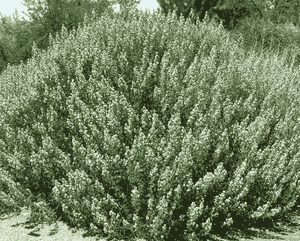
Desert Sweet enhances the garden's visual appeal with its delicate, fern-like foliage and clusters of small, fragrant flowers. These characteristics lend a soft, natural look to landscapes, making Desert Sweet an attractive focal point or a complementary border plant. Its foliage and flowering patterns also provide texture and depth, contributing to a more layered and visually engaging garden.
Companion Planting with Desert Sweet
Choosing Compatible Plants
Selecting compatible plants to grow alongside Desert Sweet involves choosing species with similar soil, light, and water needs. Plants like lavender, sage, and thyme are excellent companions, as they share Desert Sweet's preference for well-drained soil and full sun. Incorporating drought-tolerant perennials and shrubs can create a cohesive and sustainable garden environment.
Benefits of Companion Planting with Desert Sweet
Companion planting with Desert Sweet offers numerous advantages, including pest management, improved plant vitality, and efficient use of space. Some plants can deter undesirable insects, reducing the likelihood of pest infestations that might harm Desert Sweet. Furthermore, Desert Sweet can boost the growth of nearby plants by improving soil conditions and providing natural mulch as its leaves decompose.
Design Tips for Grouping Desert Sweet with Other Species
When designing your garden, consider the overall visual impact of grouping Desert Sweet with other species. Position taller companion plants towards the back and shorter plants in the front to create a layered effect. Use Desert Sweet as a focal point in mixed borders or as a filler in rock gardens. Its soft texture can balance more rigid, structural plants, while its blooms can add splashes of color against a green backdrop.
Seasonal Care and Maintenance Tips
Watering and Fertilizing Requirements of Desert Sweet
Desert Sweet is relatively low-maintenance, with minimal watering needs once established. In the first year, consistent watering is crucial to help the plant establish its roots. Afterward, watering can be reduced to occasional deep irrigation during dry spells. Fertilizing Desert Sweet is generally unnecessary if it is planted in nutrient-rich soil. However, a light application of balanced fertilizer in early spring can promote healthy growth and vibrant blooms.
Pruning and Controlling Growth
Pruning Desert Sweet helps maintain its form and encourages new growth. The optimal time to prune is late winter or early spring, before new growth begins. Remove any dead or damaged branches, and thin out crowded areas to improve air circulation. Light trimming after the blooming season can also keep Desert Sweet neat and compact. Regular pruning not only enhances the plant's aesthetic appeal but also its overall health.
Preparing Desert Sweet for Different Seasons
To ensure Desert Sweet thrives throughout the seasons, take specific actions to prepare it for seasonal changes. In late fall, apply a layer of mulch around the base to protect the roots from extreme cold. During spring, check for any winter damage and prune as necessary. In summer, ensure the plant is not experiencing water stress. These preparations can help Desert Sweet remain healthy and vibrant all year round.
Creative Uses of Desert Sweet in Landscape Features
Incorporating Desert Sweet in Rock Gardens and Xeriscapes
Desert Sweet is an ideal choice for rock gardens and xeriscapes due to its drought tolerance and rugged beauty. Pair it with other water-efficient plants and use it to add texture and color among rocks and gravel. Its hardiness makes it suitable for xeriscaping, which focuses on using drought-tolerant plants to conserve water while maintaining a beautiful landscape.
Designing Pathways and Borders with Desert Sweet
Using Desert Sweet to line pathways and borders can provide a soft, continuous outline that guides visitors through your garden. Its visual appeal and resilience make it perfect for defining garden boundaries or creating informal hedges. Consider combining it with stones or pavers to highlight the natural beauty of the plant while providing structure to your landscape.
Highlighting Desert Sweet in Water-Saving Landscape Designs
In water-saving landscape designs, Desert Sweet serves as a beautiful yet practical choice. Its ability to thrive with minimal water makes it perfect for sustainable gardens focused on conservation. Use Desert Sweet alongside other drought-resistant plants to create a landscape that requires less maintenance and irrigation. Its natural beauty can enhance the aesthetic value of eco-friendly garden designs.



