How to Transplant Greater knapweed?
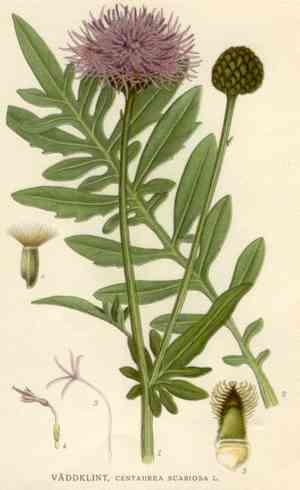
The most favorable period for relocating greater knapweed is as the moderate temperatures of mid-spring give way to the lively conditions of late spring, thereby avoiding excessively chilly or sweltering environments. Select a location bathed in sunlight featuring soil that drains effectively. Should it be required, incorporate organic material to enhance the planting area.
Preparations Required Before Relocating Greater Knapweed
Optimal Period for Greater Knapweed Relocation?
The best time to move greater knapweed to a new garden spot is from early spring to just before summer's peak. This period offers mild temperatures, aiding root development without extreme heat stress. Transplanting greater knapweed during this window allows it to settle in comfortably and establish a strong root system before the full intensity of summer. It's the season when natural conditions are most favorable for growth, ensuring greater knapweed adapts well and flourishes in its new home.
Recommended Spacing Between Greater Knapweed Plants?
When getting your greater knapweed ready for its new location, aim to provide ample room for each plant. Position them approximately 12-18 inches (30-45 cm) apart. This spacing will ensure they have sufficient area to thrive and display their beauty!
Ideal Soil Blend for Greater Knapweed Transplanting?
Greater knapweed will flourish in soil that drains well and is nutrient-rich. Before transplanting, incorporate some compost to provide a nourishing start. A balanced slow-release fertilizer can also be highly beneficial for establishing a strong foundation for your plants.
Preferred Location for Greater Knapweed Relocation?
Allow your greater knapweed to bask in the sun at its new site! Select a location that receives full sunlight for the most vigorous and healthy growth. A south-facing position will keep these sun-loving plants radiant and blooming at their best.
Equipment Needed Before Transplanting Greater Knapweed?
Gardening Gloves
To safeguard your hands while handling soil and plants.
Trowel or Shovel
For excavating and moving the greater knapweed's root mass.
Watering Can or Hose
To hydrate the greater knapweed before and after its relocation.
Garden Fork
For loosening the soil around the plant's root area prior to removal.
Wheelbarrow or Plant Pot
For transporting the greater knapweed and holding it during transit.
Secateurs or Pruning Shears
For trimming any damaged roots or foliage.
Measuring Tape
To determine the depth and width of the planting hole.
Mulch
To help maintain soil moisture and inhibit weed growth around the new planting site.
Method for Extracting Greater Knapweed from Soil?
How to Extract Greater Knapweed from the Soil?
From Ground: First, moisten the greater knapweed plant by watering the soil. Use a garden fork to gently loosen the soil surrounding the greater knapweed, taking care not to harm the roots. Dig a wide circle around the plant with a shovel or trowel. Carefully work the tool under the root ball and gently lift the greater knapweed from its original spot.From Pot: Water the greater knapweed thoroughly before beginning. Turn the pot on its side, and gently tap the edges to loosen the root ball. Support the plant by its base and carefully slide it out of the pot. Examine the root system and untangle any circling roots.From Seedling Tray: Water the seedlings well to ensure the soil is damp. Gently press the bottom of the seedling tray to push the root ball out or use a tool like a dibber to carefully lift the greater knapweed seedling by its root ball.
Detailed Procedure for Transplanting Greater Knapweed
Prepare the greater knapweed
Ensure the greater knapweed is thoroughly watered a few hours prior to transplanting to minimize shock.
Remove the greater knapweed
Depending on its current location, follow the appropriate removal method described above for your greater knapweed's situation.
Prepare the New Planting Hole
Excavate a hole twice the width of the root ball and equal in depth to ensure the greater knapweed is positioned at its original growing level.
Position the greater knapweed
Center the greater knapweed in the hole. Adjust the depth by adding or removing soil until the top of the root ball is flush with the surrounding ground.
Backfill Soil
Gently refill the area around the root ball with soil, compacting it as you go to eliminate air pockets.
Water Thoroughly
Immediately water the greater knapweed after planting to help settle the soil around its roots.
Add Mulch
Apply a layer of mulch around the base of the greater knapweed, keeping it a few inches away from the stems to prevent rot.
Initial Support
If the greater knapweed is large or the location is exposed, consider providing stakes or wind protection until it is established.
Post-Transplantation Care for Greater Knapweed
Watering
Water the greater knapweed deeply to encourage extensive root growth. Water consistently, especially during the initial growing season, until the greater knapweed is well-established.
Mulching
Maintain a layer of mulch to preserve soil moisture and reduce temperature fluctuations.
Weeding
Keep the area around the greater knapweed free of weeds, which can compete for nutrients and water.
Checking
Regularly inspect the greater knapweed for signs of stress, such as wilting or discolored leaves, and address any issues promptly.
Pruning
Remove any dead or damaged foliage to direct the greater knapweed's energy towards establishing new roots and healthy growth.
Resolving Common Issues with Greater Knapweed Transplantation.
When is the best time to transplant greater knapweed?
The ideal transplanting period is from mid to late spring, ensuring a stronger start for greater knapweed.
What spacing should I use for greater knapweed when transplanting?
Space greater knapweed approximately 12-18 inches (30-45 cm) apart to allow ample room for growth.
Why is my greater knapweed wilting after transplanting?
Wilting can be a symptom of transplant shock. Ensure the soil remains moist but not waterlogged, and provide shade if necessary.
What kind of soil is best for greater knapweed?
Well-draining soil with moderate fertility is optimal. Amend with compost to improve soil structure if required.
How deep should I plant greater knapweed's roots?
Plant greater knapweed's roots at the same depth they were previously growing to prevent stem rot or drying out.
Can I transplant greater knapweed on a hot day?
Transplant greater knapweed on cooler, overcast days or in the evening to minimize stress and prevent wilting.
How much should I water greater knapweed after transplanting?
Water thoroughly immediately after transplanting to settle the soil. Afterward, water regularly until greater knapweed is established.
Should I prune greater knapweed when transplanting?
Pruning is not essential, but you can trim any damaged leaves to help greater knapweed focus on root establishment.
Why are greater knapweed's leaves turning yellow after transplanting?
Yellowing leaves can indicate overwatering, underwatering, or a nutrient deficiency. Adjust care accordingly.
Can I transplant greater knapweed with blooming flowers?
It is best to transplant greater knapweed when it is not in bloom to direct its energy towards root development.



