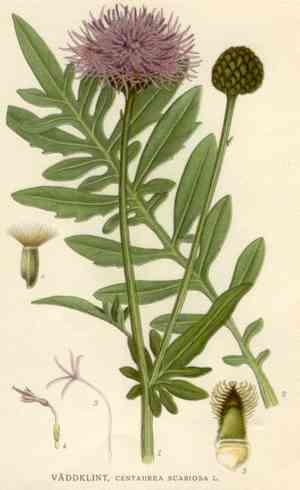
Greater knapweed (Centaurea scabiosa)
Also known as: Austrian knapweed
Greater knapweed (Centaurea scabiosa) is a perennial herb native to Europe, commonly found in grasslands, hedgerows, and lime-rich soils. Its delicate, thistle-like flowerheads are particularly attractive to bees and butterflies, making it an excellent choice for pollinator-friendly gardens. Additionally, its hardy nature and drought tolerance make it a low-maintenance plant that adds visual charm and supports local wildlife.
In This Article
Attributes of Greater knapweed
Lifespan
Perennial
Plant Type
Herb
Plant Height
90 cm
Spread
10 cm to 50 cm
Leaf Color
Green
Flower Size
5 cm
Flower Color
Purple Red
Images of Greater knapweed
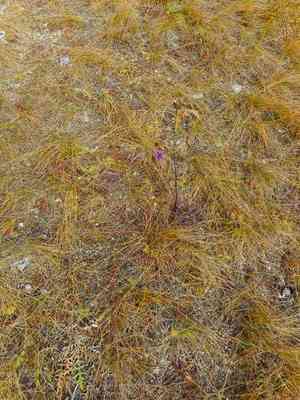
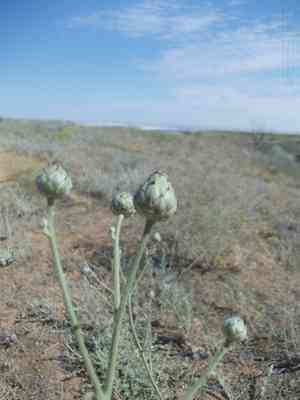
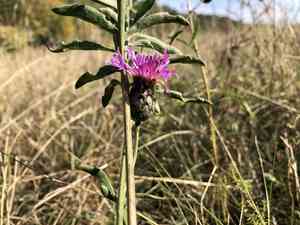
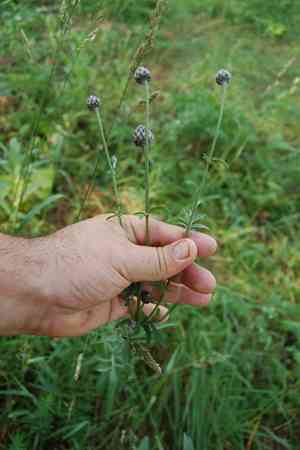
Quickly Identify Greater knapweed
1
Centaurea scabiosa can be identified by its large, bright purple flowers with fringed edges, held on long stalks that rise above the foliage. The leaves are deeply lobed and hairy, and the plant tends to form clumps. The plant has a stiff, upright growth habit.
Scientific Classification of Greater knapweed
Phylum
Vascular plants
Class
Dicotyledons
Order
Asterales
Family
Daisy
Genus
Centaury
Species
Greater knapweed
Planting and Growing of Greater knapweed
Care Difficulty
Easy
Watering Schedule
Every 4 days
Sunlight Requirements
Full sun
Sunshine Duration
4-8 hours
Ideal Temperature
60-75℉
Soil Type
Potting Mix, Peat Mix
Soil pH
6.5-7.5
Fertilizer Type
Balanced
Pruning Season
Spring, Summer
Pruning Area
Branches, Leaves
Pruning Frequency
2 times a year
Repotting Season
Spring
Pot Type
Plastic, Ceramic
 How to Water Greater knapweed?
Centaurea scabiosa requires a specific amount of water to maintain its health and vigor. Ideally, each watering session should involve about 500 milliliters of water, ensuring that the soil is thoroughly moistened but never waterlogged. The water should reach the roots adequately, allowing for proper absorption without causing excessive saturation.
What are the symptoms of an underwatered Greater knapweed?
›
What should I do if my Greater knapweed is not getting enough water?
›
What are the symptoms of an overwatered Greater knapweed?
›
How to save an overwatered Greater knapweed?
›
 What Are the Sunlight Requirements for Greater knapweed?
Centaurea scabiosa favors full to partial sun, enjoying 6-8 hours of sunlight daily. This ensures successful flowering and robust structural growth, enhancing its hardiness and visual appeal.
More About Sunlight Requirements Techniques→
What are the ideal light conditions?
›
How to achieve ideal light conditions?
›
What benefits arise from ideal light conditions?
›
 What Is the Ideal Temperature Range for Greater knapweed?
For optimal growth, Centaurea scabiosa thrives in temperatures ranging from 60°F to 75°F. This range ensures the plant receives sufficient warmth for photosynthesis, while minimizing the risk of heat stress or cold damage. Achieving this temperature range involves ensuring the plant is not exposed to drafts and is placed in a location receiving appropriate sunlight.
 What Soil is Best for Greater knapweed?
Centaurea scabiosa thrives in well-drained soils that prevent water stagnation around roots. This condition ensures healthy root development, promotes aeration, and reduces the risk of root diseases, thus ensuring optimal plant growth. This plant prefers soils that are rich in organic matter, providing essential nutrients required for its growth. A nutrient-rich environment supports robust foliage, vibrant blooms, and overall vitality of the plant. While nutrient-rich, the soil should not be excessively fertile as it may lead to lush foliage at the expense of flower production. Maintaining moderate fertility ensures a balanced growth that leads to abundant and striking flowers.
More About Soil→
 How to Fertilize Greater knapweed?
For Centaurea scabiosa, use a balanced, all-purpose fertilizer diluted to half strength. Apply approximately 1/2 cup of diluted liquid fertilizer per square foot for the liquid application. For slow-release granules, sprinkle lightly over the soil, roughly 1 tablespoon per square foot, ensuring not to exceed this amount.
More About Fertilizing Techniques→
 How to Prune Greater knapweed?
Begin by examining your Centaurea scabiosa for dead or damaged stems. These should be your first priority to prune back to ensure the plant’s energy isn't wasted on them. Using sharp pruning shears, make angled cuts just above a leaf node or bud. This encourages the plant to grow a denser bushier formation while preventing water from sitting on the cut which might lead to rot. After removing dead and unhealthy stems, look to shape the plant by cutting back any overly long or unruly growth. This will not only keep your plant looking neat but also help in even sunlight distribution. Always collect and dispose of pruned material away from your garden. This reduces the chance of diseases and pests spreading to healthy plants.
More About Pruning Techniques→
 How to Propagate Greater knapweed plant?
1
Gather seeds from mature Centaurea scabiosa flower heads once the blooms have dried out. Ensure they are completely dry to prevent mold growth during storage. Store seeds in a cool, dry place until planting.
2
Select healthy stems free from disease. Cut a 4-6 inch section just below a node. Remove lower leaves and dip the cut end in rooting hormone before planting in a potting mix.
3
Divide mature plants during spring or early summer. Carefully dig up the plant and separate the clumps using a sterilized knife or spade. Replant the divided sections promptly and water thoroughly.
 How to Repot Greater knapweed plant?
1
Centaurea scabiosa should be repotted when you notice roots starting to circle the pot's interior or growing through drainage holes. Other signals include slowed growth or water sitting unabsorbed on the soil surface. The optimum time for repotting is during the plant’s active growth, generally in spring or early summer.
2
Select a new pot that is one size larger than the current one, ensuring it has drainage holes to prevent waterlogging. A pot with a slightly wider base offers better stability for taller growth of Centaurea scabiosa. The right pot size helps manage root growth and soil health, allowing the plant to thrive.
3
Use well-draining soil rich in organic matter to ensure adequate moisture retention without becoming waterlogged. Including materials like perlite or sand improves aeration and drainage, which helps prevent root rot and fosters a healthy root environment for Centaurea scabiosa.
Learn More About Greater knapweed Diseases
Anthracnose
Bacterial Leaf Spot
Bacterial Soft Rot
Bacterial Wilt
Black Spot
Chemical Injury
Crown Gall
Cyst Nematode
Damping-off
Downy Mildew
Drought Stress
Fusarium Wilt
Gray Mold
Leaf Curl
Leaf Spot
Mosaic
Nutrient Deficiency
Nutrient Toxicity
Powdery Mildew
Root Rot
Root-knot Nematode
Rusts
Sooty Mold
Spider Mites
Temperature Stress
Thrips Damage
White Mold



