Enhancing Your Garden Design with the Greater knapweed Plant: A Landscaping Guide
1
Greater knapweed flourishes in bright areas but tolerates some shade.
2
Adequate spacing is crucial to avoid congestion and promote robust Greater knapweed development.
3
Greater knapweed has the ability to draw helpful pollinators to your outdoor space.
Introducing Greater Knapweed into Garden Designs
Advantages of incorporating Greater Knapweed into garden settings
There are many benefits to including Greater Knapweed in your garden design. Not only does it offer aesthetic appeal with its vibrant blossoms, but it also supports local wildlife by attracting pollinators such as bees and butterflies. Furthermore, Greater Knapweed requires minimal upkeep, making it a great option for gardeners of all experience levels.
The aesthetic appeal of Greater Knapweed
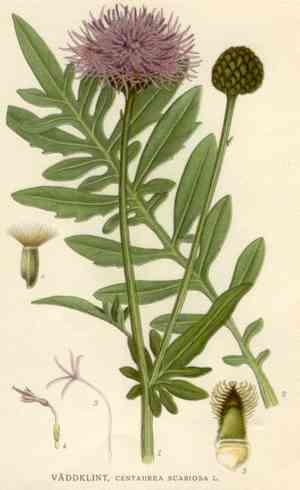
Greater Knapweed showcases striking flower heads that can add a burst of color to any garden. Its upright and tall growth habit creates a commanding presence, serving as a focal point in your landscape plan. Additionally, the rich, deep hues of its flowers can complement a wide array of other plants, enhancing the visual diversity and interest in your garden.
Selecting the Perfect Spot for Greater Knapweed
Evaluating light and shade requirements
Greater Knapweed generally prefers sunny locations but can tolerate some partial shade. When choosing a site in your garden, aim for an area that receives at least six hours of direct sunlight daily. If this isn't feasible, ensure the spot gets ample morning sun and some afternoon shade, which should be sufficient for vigorous growth.
Soil condition considerations
The soil where you plant Greater Knapweed should drain well to prevent root rot. While Greater Knapweed adapts to various soil types, loamy soil with moderate fertility typically yields the best results. Before planting, enrich the soil with organic compost to improve its texture and nutrient content.
Spacing and placement strategies
Appropriate spacing is vital to ensure Greater Knapweed grows robustly without competing for resources with nearby plants. Aim to space each plant approximately 18 to 24 inches apart. This distance allows for adequate air circulation, reducing the risk of fungal diseases and helping each plant flourish.
Pairing Greater Knapweed with Other Plants
Choosing companion plants for Greater Knapweed
Selecting suitable companion plants can enhance the beauty and practical value of Greater Knapweed in your garden. Consider planting Greater Knapweed alongside other perennials that share similar sunlight and soil needs. Plants like lavender and echinacea not only coexist well but also create a lovely visual combination.
Visual harmony and contrast techniques
Achieving visual balance in your garden with Greater Knapweed involves finding a sweet spot between contrasting elements. The bold, tall form of Greater Knapweed contrasts effectively with shorter, bushier plants. You can also experiment with color contrasts; for instance, pairing the deep purple blooms of Greater Knapweed with lighter-colored flowers can create a stunning visual impact.
Seasonal Care for Greater Knapweed
Optimal times of year for planting Greater Knapweed
The best time to plant Greater Knapweed is during spring or early autumn. Planting in spring allows the plant to establish itself before the summer heat, while autumn planting gives it a head start for the next growing season. Avoid planting during extreme weather conditions to minimize stress on young plants.
Preparing Greater Knapweed for seasonal changes
To ensure Greater Knapweed thrives throughout the seasons, it's crucial to prepare your garden accordingly. During the active growing period, consistent watering and mulching help retain soil moisture and suppress weeds. In winter, a layer of mulch can protect the roots from freezing temperatures. Pruning dead or damaged stems in late winter prepares Greater Knapweed for vigorous new growth in spring.
Maintaining Greater Knapweed in Your Landscape
Routine care tips for optimal development
Maintaining Greater Knapweed involves a few key practices to ensure its best growth. Regular watering, especially during dry periods, is essential. Fertilizing once or twice a year with a balanced, slow-release fertilizer keeps the plant healthy. Removing spent flowers encourages continuous blooming and prevents the plant from becoming too leggy.
Managing pests and common problems
While Greater Knapweed is quite resistant to most pests and diseases, occasional issues can arise. Watch out for aphids and treat them with insecticidal soap if needed. Fungal problems can be reduced through proper spacing and watering at the plant's base instead of overhead. Regular inspection and prompt action can prevent minor issues from escalating into significant problems.



