How to Propagate Greater knapweed?
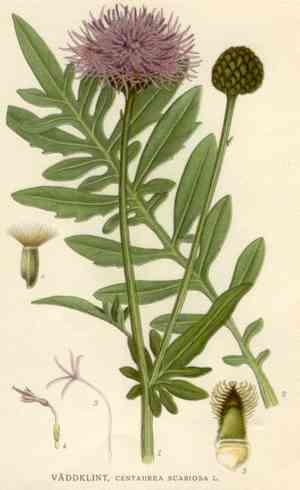
This enduring plant is efficiently multiplied by seeding, which fosters the proliferation of its thistle-like blooms and sturdy leaves. To grow greater knapweed, employ a growing medium that drains effectively and ensure steady hydration without saturating. Distribute the seeds superficially, as greater knapweed needs illumination for successful sprouting. Disperse the seeds sparsely on the soil's top layer, then gently press them down instead of burying them. Following emergence, arrange the young plants to avoid excessive density. Employing root sections is also feasible, considering the strong root structure of greater knapweed.
Optimal Time for Greater Knapweed Propagation
Propagation Method
Seeding
Propagation Period
Spring
Tools for Greater Knapweed Propagation
Seed trays
Shallow containers, seed trays are utilized for indoor seed starting. Ideal for sowing greater knapweed, these trays aid in organizing various seedlings and ensuring ample space for each seed to sprout. The controlled environment of a seed tray facilitates optimal soil moisture and temperature, vital for successful greater knapweed germination.
Quality potting mix
A premium potting mix offers essential nutrients and adequate drainage for young plants. Employing a specialized seed-starting blend can significantly boost the germination rate and initial development of greater knapweed by ensuring the soil is light enough for root expansion and retains appropriate moisture without becoming waterlogged.
Clear dome or plastic wrap
This item assists in maintaining elevated humidity and consistent temperatures around newly sown greater knapweed seeds. Covering seed trays with a clear dome or plastic wrap creates a miniature greenhouse effect, which is particularly advantageous for enhancing seed germination and providing young greater knapweed seedlings with a protective environment against external temperature and moisture fluctuations.
Water spray bottle
A water spray bottle is crucial for gently irrigating greater knapweed seeds without displacing them. A fine mist ensures uniform moisture distribution, vital for seed germination. It helps in sustaining the soil's moisture level without causing erosion or exposing the seeds.
Grow lights (optional)
If natural light is insufficient, grow lights can be employed to supply the necessary light spectrum for greater knapweed germination and growth. Grow lights help in mimicking natural sunlight, fostering healthier development during the early stages of greater knapweed's life cycle.
Labels and markers
Using labels and markers to identify different seed batches in trays is essential when propagating multiple plant species alongside greater knapweed. They assist in tracking greater knapweed's growth progress and ensure proper management and care during the propagation phase.
How to Propagate Greater Knapweed?
Propagation Type
Simple
Caring for Your Newly Propagated Greater Knapweed
Caring for Your Newly Propagated Greater Knapweed?
Greater knapweed requires minimal upkeep once established. It thrives in full sun and tolerates poor, dry soil, reflecting its natural grassland habitat. Regular deadheading extends blooming and prevents excessive self-seeding. Water occasionally during extended dry spells, and mulching can help retain soil moisture and suppress weeds.
Common Mistakes to Avoid When Propagating Greater Knapweed
Overwatering
Excessive watering of greater knapweed can lead to root rot and fungal diseases, as greater knapweed is quite drought-tolerant once established.
Deep Planting
Planting greater knapweed seeds too deeply can hinder germination, as they require light for this process to occur.
Neglecting to Deadhead
Failing to remove spent flowers from greater knapweed can limit the plant's vegetative growth and reduce the chances for successful seed collection.
Ignoring Soil Drainage
Using soil that lacks proper drainage can be detrimental to greater knapweed, as it prefers well-draining substrates to prevent root disease.
Tips For Propagating Greater Knapweed
Surface Sowing
Sowing greater knapweed seeds on the soil surface allows sufficient light to stimulate germination, essential for their success during propagation.
Stratification
Simulating a cold period by stratifying greater knapweed seeds can significantly improve germination rates.
Removing Competing Weeds
Keeping the area around greater knapweed free of weeds ensures that the young plants have adequate access to sunlight, nutrients, and water.
Moderate Watering
Providing greater knapweed with a moderate amount of water after sowing until establishment supports healthy growth without promoting conditions for root rot.



