Optimal Fertilizer for Growing Greater knapweed: What You Need to Know
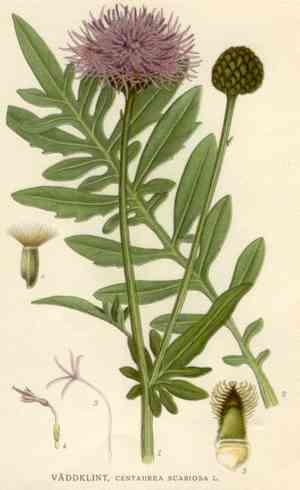
1
Greater knapweed thrives in well-drained, loamy soil for peak development.
2
Fertilizing Greater knapweed in spring promotes vigorous flowering.
3
An NPK ratio of 10-10-10 is perfect for Greater knapweed.
Grasping the Nutritional Requirements of Greater knapweed
Recognizing Indicators of Nutrient Shortage
For successful Greater knapweed cultivation, it's vital to spot nutrient deficiency symptoms early. Typical signs include yellowing foliage, stunted development, and poor flower production. If your Greater knapweed displays these issues, assessing its nutrient intake might be necessary.
Ideal Soil Conditions for Nutrient Uptake
Greater knapweed flourishes in well-drained, loamy soil rich in organic matter. Ensure the soil isn't excessively sandy or clayey to maintain proper moisture levels and nutrient absorption. Checking the soil's pH, which should be between 6.0 and 7.0, can also aid in maximizing nutrient availability.
Selecting the Appropriate Fertilizer for Greater knapweed
Organic vs. Synthetic Fertilizers
When choosing a fertilizer for Greater knapweed, you have two main choices: organic and synthetic. Organic fertilizers, like compost and manure, offer slow-release nutrients and enhance soil structure. Synthetic fertilizers, such as granular or liquid solutions, provide precise nutrient ratios and immediate effects. Both have benefits, and the decision depends on your gardening methods and preference for quick or sustained nutrient delivery.
Recommended NPK Ratio
For Greater knapweed, a balanced NPK (Nitrogen-Phosphorus-Potassium) ratio of 10-10-10 is advised. This balanced formula supports overall plant vitality, encourages blooming, and boosts root development. Always follow the fertilizer package directions for the correct application amount.
Optimal Practices for Fertilizing Greater knapweed
When to Fertilize Greater knapweed
The best time to fertilize Greater knapweed is during spring. Fertilizing in this season ensures the plant has essential nutrients for growth and flowering throughout its active period. Lightly reapply fertilizer mid-season if the plant shows signs of nutrient deficiency.
Techniques for Effective Fertilization
Effective fertilization starts with even distribution. For granular fertilizers, spread the product uniformly around the plant's base, avoiding direct stem contact to prevent burning. If using liquid fertilizer, mix according to instructions and apply with a watering can or sprayer. Water the plant thoroughly after fertilizing to help dissolve and distribute nutrients in the soil.
Monitoring Greater knapweed After Fertilization
Observing Growth and Health Improvements
After fertilizing, observe your Greater knapweed for signs of improvement. New growth should be vibrant, with lush, green leaves and abundant flower buds. Watch for any negative reactions like leaf burn or discoloration, which might indicate over-fertilization.
Adjusting Fertilization Plans Based on Plant Response
Based on the plant's reaction, you might need to modify your fertilization routine. If the Greater knapweed shows positive growth, maintain your current schedule. If growth remains slow or deficiency symptoms persist, consider increasing fertilizer frequency or quantity. Always provide sufficient water alongside fertilizing to support nutrient absorption.



