How to Prune Greater knapweed?
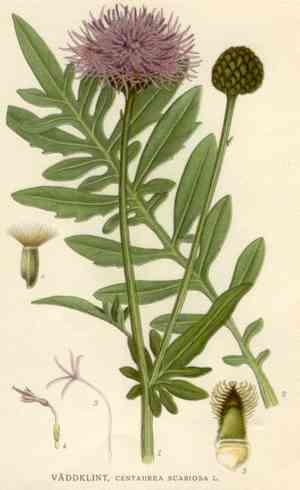
Greater knapweed, a perennial herbaceous species, is recognized by its thistle-like blossoms and its affinity for calcareous soils. Essential trimming practices include removing faded blooms to stimulate further flowering and reducing the foliage in late autumn for a neat look. The most effective time for pruning is following the main flowering period in summer or prior to the emergence of new shoots in early spring. Consistent trimming fosters robust development and inhibits self-propagation in regions where greater knapweed is deemed an intrusive species.
What Are the Benefits of Pruning Greater Knapweed?
What Are the Benefits of Pruning Greater Knapweed?
Trimming greater knapweed promotes abundant flowering and robust development. Regular cutting helps preserve its desired form, ensuring a neat garden appearance.
What Is the Best Time for Pruning Greater Knapweed?
What Is the Best Time for Pruning Greater Knapweed?
The ideal pruning periods for greater knapweed are chosen based on its life cycle and growth patterns to maintain vitality and encourage prolific blooms. Pruning in late Winter to Early Spring, just before new growth starts, aids in removing any dead or damaged sections, thus preparing greater knapweed for the growing season without hindering new bud formation. This timing also prevents the plant from experiencing undue stress during its active growth. Additionally, trimming immediately after greater knapweed finishes flowering in Summer encourages better blooming the subsequent season, as it often flowers on new wood. This practice also helps maintain a pleasing shape and prevents greater knapweed from spreading too aggressively by self-seeding if seed heads are promptly removed. Pruning in Fall is not recommended, as new growth stimulated by pruning might not harden off in time before Winter, making greater knapweed vulnerable to cold damage.
What Tools Do I Need to Prune Greater Knapweed?
Bypass Pruners
Perfect for making clean cuts on the green, living stems of greater knapweed without crushing plant tissues.
Pruning Shears
Suitable for removing spent flowers and shaping greater knapweed to encourage more blooms.
Gardening Gloves
Protect the gardener's hands from greater knapweed's rough stems and potential skin irritants during trimming.
Garden Waste Bag
Facilitates the collection and disposal of cut stems and spent blooms of greater knapweed, ensuring a tidy workspace.
How to Prune Greater Knapweed
Clean
Sanitize pruning tools before starting to prevent disease spread to greater knapweed. Use alcohol wipes or a bleach solution to thoroughly clean shear or clipper blades.
Diseased Leaves
Carefully remove any leaves showing signs of illness. Be gentle to avoid harming healthy parts of greater knapweed. Dispose of diseased material immediately, away from the garden.
Withered Leaves
Trim off dried or dead leaves, which could attract pests or foster disease. Cut close to the leaf's base to promote healthy growth in greater knapweed.
Withered Flowers
Deadhead spent flowers by cutting the flower stems back to the plant's base or to an adjacent set of new buds to encourage more blooms and maintain greater knapweed's shape.
Cleanup
Remove all cuttings and debris from around greater knapweed to discourage pests and fungal growth. Compost healthy plant matter, but securely discard diseased material.
Common Pruning Mistakes with Greater Knapweed
Over-Pruning
Removing too much foliage at once can stress greater knapweed, leading to weakened defenses against pests and diseases.
Pruning Too Early
Cutting back greater knapweed before it has finished blooming can reduce the number of flowers and seeds, impacting both display and propagation.
Using Dull Tools
Dull or dirty pruning implements can damage greater knapweed stems, resulting in jagged cuts more susceptible to infections.
Snipping Without A Plan
Random or excessive cutting without understanding greater knapweed's growth structure can result in an undesirable shape and inhibit growth.
Common Pruning Tips for Greater Knapweed
Selective Cutting
Carefully choose which stems to prune based on the plant's overall shape and health, focusing on deadheading spent flowers to encourage reblooming.
Tool Care
Use sharp, clean pruning shears to make clear cuts that will heal quickly, reducing the chance of disease.
Shape Maintenance
Trim greater knapweed to maintain a natural-looking form, cutting back to just above new lateral growth or a leaf node to promote bushier growth.
Protection
After pruning, it's important to clear away debris from around greater knapweed to prevent fungal growth and apply a suitable plant feed as a general tonic.



