How to Transplant Blue-beard?
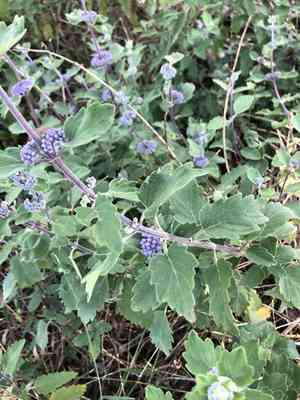
Introduce blue-beard to a perfect repotting opportunity when late spring invigorates the earth, fostering improved root expansion. Place in brightly lit, adequately draining areas and offer gentle support as they establish themselves in their new environment.
Essential Preparations Before Relocating Blue-beard
Optimal Timing for Blue-beard Relocation?
The best period for moving blue-beard is during the onset of mid-spring, or the gentle flowering phase of late spring. Transplanting blue-beard in these nurturing seasons allows root establishment prior to summer heat. Furthermore, it's a time when the soil is warm and manageable, fostering robust root development. Shifting blue-beard now guarantees it will thrive with the full vigor of the upcoming growing season. So, don your gardening gloves and give blue-beard the finest start in its new spot!
Required Spacing Between Blue-beard Plants?
For blue-beard, you'll want to provide ample room for development. Aim to space your plants approximately 2-3 feet (60-90 cm) apart. This provides sufficient area for them to expand and grow vigorously. Happy planting!
Ideal Soil Blend for Blue-beard Transplanting?
The preliminary work for relocating your blue-beard involves preparing the correct soil type. Choose well-draining soil, enriched with compost or organic fertilizer. This will supply your plant with the necessary nutrients for beautiful growth!
Optimal Location for Your Blue-beard?
Sunlight is your blue-beard's greatest ally! Select a location with abundant sunlight, ideally full to partial sun exposure. This will aid the plant in growing healthy and strong. Remember to monitor temperature levels as well!
Equipment Needed Before Transplanting Blue-beard?
Shovel or Spade
The primary tool required for extracting your blue-beard from its original spot and excavating the hole at your chosen transplant site.
Gardening Gloves
These are crucial for safeguarding your hands from thorns, soil, and other potential hazards.
Garden Hose or Watering Can
For thoroughly hydrating the soil both before and after transplantation.
Pruning Shears
To trim back any elongated or unhealthy stems before relocating your blue-beard.
Compost
To provide your blue-beard with a nutrient boost during transplantation.
Stakes and Gardening Twine
To offer support for your blue-beard plant during its initial growth phase after being transplanted.
How to Extract Blue-beard from the Soil?
How to Extract Blue-beard from the Soil?
From Ground: Initially, water the blue-beard sufficiently to help loosen the soil. Carefully dig around the plant using a spade or shovel, ensuring the root ball remains intact. Gently slide the spade beneath the root ball to lift the plant from its original position.From Pot: If your blue-beard is in a container, water it thoroughly before removal. Carefully tip the pot on its side and slowly slide the plant out, being careful not to pull by the stems. If the plant seems stuck, you can run a knife or shovel around the pot's edge to loosen the soil and root ball.From Seedling Tray: For younger blue-beard plants in seedling trays, gently moisten the soil before removal. Hold the base of the stem between your fingers and apply gentle upward pressure to the root ball to extract it from the tray. Be sure to handle it by the leaves rather than the stem, as young plant stems are often delicate.
Step-by-Step Guide for Relocating Blue-beard
Preparation
Water the plant thoroughly before commencing the transplantation process. This will facilitate a smoother removal. Also, trim any dead or unhealthy-looking foliage.
Digging
Use your shovel to excavate a hole at the new location. The hole should be twice as wide and equally deep as the blue-beard's root ball.
Positioning
Carefully place the blue-beard into the hole. The top of the root ball should be level with the soil surface. Be cautious not to plant too deeply!
Backfill
Fill in around the root ball with soil, pressing gently to eliminate air pockets.
Watering
Once the plant is in its new spot, water it thoroughly.
Staking
If necessary, provide support to the blue-beard using stakes and gardening twine.
Post-Transplant Care for Blue-beard
Watering
After transplanting, maintain consistent moisture in the soil around the blue-beard for the initial few weeks. This aids new root establishment without causing waterlogging. Be careful not to over-water, as it could lead to root rot.
Protection
Depending on the climate, consider offering some form of protection for the first few days if extreme weather, such as direct sun or heavy rainfall, is anticipated. Something as simple as an umbrella or a small piece of fabric can suffice.
Monitor
Keep a close watch on the blue-beard after transplanting. If the leaves begin to wilt or yellow, it might require more water or less sun. Do not hesitate to seek advice from a local nursery or online gardening community if you notice any issues.
Resolving Common Blue-beard Transplantation Issues.
When is the optimal time of year to transplant blue-beard?
The ideal season for relocating blue-beard is between late spring and early summer (S2-S3). As the weather warms, it provides a favorable environment for root establishment.
What spacing should I maintain between each blue-beard during transplanting?
To allow for proper growth, keep a distance of approximately 2-3 feet (60-90 cm) between each blue-beard plant. This provides each plant with adequate space to thrive.
What depth should the holes for transplanting blue-beard be?
The transplant hole should be twice as wide and slightly deeper than the root ball. This ensures the blue-beard's roots can spread and penetrate into the ground.
What soil conditions should I check before transplanting blue-beard?
Blue-beard thrives in well-draining soil with ample organic matter. Ensure the soil is not waterlogged. If the soil drains in under 30 minutes, it's perfect.
How much watering does blue-beard require after transplanting?
Water blue-beard immediately after transplanting to settle the soil. Then, provide regular watering during the first few weeks. However, avoid water stagnation to prevent root rot.
How can I ensure my transplanted blue-beard survives a brief dry spell?
Apply mulch around the base of blue-beard, as it helps retain soil moisture during dry periods. Just ensure the mulch does not touch the plant's stem.
When should I fertilize a freshly transplanted blue-beard?
Delay fertilizing until blue-beard shows new growth, confirming it's adapting well. Equally important is to use a balanced fertilizer and follow label instructions.
What should I do if the blue-beard wilts after transplant?
Do not be alarmed. Wilting can occur due to transplant shock. Continue with good watering and care practices. The plant should recover in a few days.
Can blue-beard be transplanted while it's flowering?
Transplanting blue-beard during its flowering stage can stress the plant. It's best to wait until it has finished blooming before attempting to move it.
What type of sunlight does the transplanted blue-beard need?
Blue-beard prefers full to partial sun. After transplanting, try to place it where it receives at least 6 hours of sunlight daily for healthy growth.



