The Blue-beard Plant Advantage: Maximizing Home and Office Appeal and Wellness
1
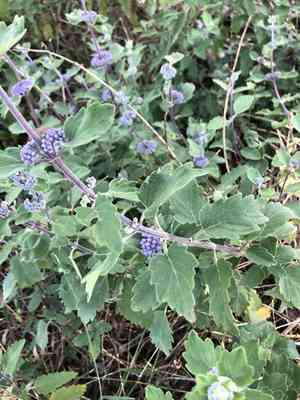
Caryopteris draws in beneficial insects like bees and butterflies to your outdoor space.
2
This plant, resilient to dry conditions, is ideal for gardens requiring minimal upkeep.
3
Caryopteris offers vivid blue blooms that improve the visual appeal of your garden.
Benefits of Cultivating Blue-beard
Attracting Beneficial Pollinators
Blue-beard acts as a lure for pollinators like bees and butterflies. These helpful insects are crucial for the fertilization of numerous garden plants. By cultivating Blue-beard, you promote biodiversity and support the life cycles of these vital creatures.
Minimal Upkeep and Drought Resistance
Blue-beard is well-suited for gardeners desiring plants that require little attention. This species exhibits high drought tolerance, meaning it needs minimal watering once established. This characteristic makes it an excellent choice for water-efficient gardening, especially in arid regions.
Integrating Blue-beard into Your Garden Design
Utilizing Blue-beard as a Central Feature
The striking blue blooms of Blue-beard make it an ideal focal point in any garden. Position it in a location where it will capture attention, such as the center of a flower bed or alongside a garden path. Its vibrant hue will enhance your garden's aesthetic appeal.
Companion Planting with Blue-beard
Blue-beard pairs beautifully with other perennial plants and shrubs. Consider planting it alongside species with contrasting colors and textures to create a visually appealing garden. Good companions include lavender, Russian sage, and ornamental grasses.
Optimal Practices for Blue-beard Care
Ideal Growing Conditions
Blue-beard thrives in well-drained soil and full sun, though it can endure partial shade. Ensure the planting site has adequate drainage to prevent root rot, and consider amending heavy clay soils with organic material to enhance drainage.
Pruning and Maintenance Advice
To maintain Blue-beard's best appearance, prune it in late winter or early spring before new growth commences. Remove any dead or damaged stems, and trim the plant to preserve its shape. This will encourage fresh growth and more abundant flowering.
Environmental Advantages of Blue-beard
Supporting Local Wildlife
Cultivating Blue-beard helps create a habitat for local wildlife, including birds, insects, and small mammals. By providing nectar and pollen resources, you can help sustain the food chain and foster a healthier garden ecosystem.
Erosion Control and Soil Health
Blue-beard possesses a robust root system that aids in preventing soil erosion. Planting Blue-beard on slopes or in areas prone to erosion can help stabilize the soil. Additionally, its presence can improve soil health by increasing organic matter as the plant decomposes.



