How Much Sunlight Do Blue-beard Need?
1
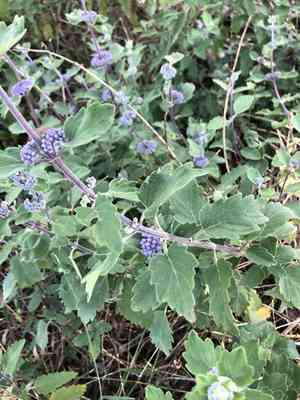
Blue-beard performs optimally with more than 6 hours of direct sunlight daily.
2
It can withstand some shade, though this might lead to reduced flowering.
3
Applying reflective ground cover can boost the amount of sun reaching your Blue-beard.
The Crucial Role of Sunlight for Blue-beard
Photosynthesis and Development
Sunlight is essential for photosynthesis, the process through which plants convert light energy into chemical energy. For Blue-beard, consistent sunlight provides the necessary energy for vigorous development. Without adequate sun, the plant's growth can be stunted, leading to weaker stems and fewer leaves.
More Vibrant Blooms
Blue-beard is celebrated for its beautiful blue flowers, which emerge from late summer to early autumn. Sufficient sunlight is vital for these blooms to not only appear but also to flourish. Sunlight aids in the creation of chlorophyll and other pigments, which are key for healthy and lively flowers.
Optimal Sunlight Conditions for Blue-beard
Full Sun Exposure
For prime growth and flowering, Blue-beard thrives with full sun exposure, meaning at least 6 hours of direct sunlight daily. Full sun allows the plant to perform photosynthesis efficiently, leading to more robust growth and an abundance of blossoms.
Partial Sunlight
Although Blue-beard can tolerate partial sunlight, it is not the most favorable condition. Partial sun indicates the plant gets only 3-6 hours of direct sunlight or filtered light throughout the day. Under these circumstances, the plant may grow but will likely produce fewer blooms and appear less vibrant compared to those cultivated in full sun.
How to Maximize Sunlight for Blue-beard
Choosing the Best Planting Spot
Selecting a suitable planting location is crucial for ensuring your Blue-beard receives enough sunlight. Pick a spot in your garden that gets uninterrupted sunlight for most of the day, such as the south or west side of your property. Avoid planting near large trees or structures that might cast shade.
Utilizing Reflective Mulch
Reflective mulch can be a great tool for maximizing sunlight exposure. This type of mulch bounces extra light onto the plant, thereby increasing the total amount of sunlight it receives. Reflective mulch is especially beneficial in partially shaded areas or during shorter daylight periods.
Common Sunlight Challenges for Blue-beard
Signs of Excessive Sun
While Blue-beard thrives in sunlight, too much exposure, particularly in very hot climates, can cause leaf burn. Symptoms include browning edges and wilting foliage. Providing some afternoon shade or mulching around the base can help lessen these effects.
Indicators of Insufficient Sun
When Blue-beard doesn't get enough sunlight, it exhibits signs of leggy growth and reduced flowering. The leaves might become pale, and the plant generally looks unwell. If you notice these symptoms, try moving the plant to a sunnier spot or using reflective surfaces to boost light exposure.
Seasonal Sunlight Adjustments for Blue-beard
Summer Sunlight Considerations
During summer, when sunlight is intense, monitor your Blue-beard for indications of overheating, such as leaf scorch. You may need to provide temporary shade during the peak afternoon heat, especially in regions with extremely high temperatures. A canopy or shade cloth can be helpful.
Winter Sunlight Management
In winter, sunlight availability diminishes and days are shorter. Ensure your Blue-beard still receives as much sunlight as possible by removing any objects that might cast shadows. Pruning nearby trees and shrubs can help improve light penetration. If moving the plant indoors, place it near a south-facing window.
Inquiries About Sunlight for Blue-beard
What Happens if My Blue-beard Gets Too Little Sun?
If your Blue-beard receives inadequate sunlight, it will show symptoms like stunted growth, fewer and less vibrant blooms, and pale, weak foliage. A lack of sunlight inhibits photosynthesis, weakening the plant over time. Rectify this by relocating the plant to a sunnier spot or using reflective materials.
Is Artificial Light an Adequate Replacement?
Artificial light can serve as a temporary substitute, particularly for indoor plants or during periods of low natural light. Full-spectrum grow lights can supply the necessary wavelengths that imitate natural sunlight. Position the lights close to the plant and keep them on for 12-14 hours daily to ensure sufficient light exposure.



