How to Transplant Sea fig?
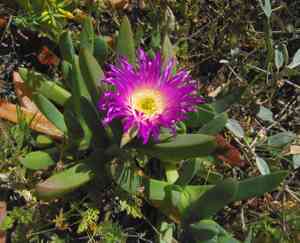
Regarding sea fig, relocate it to a bright, adequately draining location during the period of rejuvenation and development, specifically from the onset of early spring through the conclusion of late spring, to facilitate robust root development prior to the summer months.
What Preparations are Needed Before Transplanting Sea Fig?
What is the Ideal Time for Transplanting Sea Fig?
The optimal period for relocating sea fig spans from the retreat of frost to the emergence of blossomsâthe revitalizing season known as late winter through early summer. Moving sea fig during this window leverages mild temperatures and increasing daylight, which together stimulate robust root development and adaptation, preparing it for a thriving growth cycle. Ensuring sea fig establishes itself before the peak of summer allows it to build a strong foundationâoptimizing its growth and enhancing garden vibrancy.
How Much Space Should You Leave Between Sea Fig Plants?
When getting ready to move your sea fig, make sure each plant has ample room to thrive. Aim for a spacing of approximately 24-36 inches (61-91 cm) between them. This provides sufficient area for their roots to spread and for them to grow robustly.
What is the Best Soil Mix for Sea Fig Transplanting?
Before introducing sea fig to its new location, enrich your garden soil with organic compost to create a well-draining, sandy loam environment. A balanced, slow-release fertilizer will provide a nutrient-rich start for these resilient perennials.
Where Should You Relocate Your Sea Fig?
Your sea fig thrives in bright light! Select a sunny spot that receives full sunlight for the majority of the day. This well-lit position will promote vigorous growth and help your sea fig flourish in its new setting.
What Equipments Should You Prepare Before Transplantation Sea Fig?
Gardening Gloves
To safeguard your hands while handling soil and plants.
Shovel or Spade
For excavating the sea fig plant from its current spot and preparing the new location.
Hand Trowel
For more precise digging tasks, especially useful for smaller plants or confined areas.
Watering Can or Hose
For hydrating the sea fig plant both prior to removal and after relocation.
Pruning Shears
To trim any damaged roots or foliage before the transplanting process.
Wheelbarrow
For moving the sea fig plant if it is large or if a significant amount of soil needs to be transported.
Rooting Hormone (optional)
To stimulate root development following transplantation.
How Do You Remove Sea Fig from the Soil?
How Do You Remove Sea Fig from the Soil?
From Ground: First, hydrate the sea fig plant to moisten the soil. Next, excavate a wide trench around the plant using a shovel or spade, ensuring the plant's root ball remains intact. Carefully work the spade beneath the root ball to lift the plant from its original position.From Pot: Gently tap the container's sides to loosen the soil. Tilt the pot horizontally and carefully slide the sea fig plant out, supporting the soil and roots with your hands.From Seedling Tray: Water the sea fig seedlings to ensure the soil is damp. Use a hand trowel or a fork to carefully lift each seedling from its compartment, taking care not to harm the delicate roots.
Step-by-Step Guide for Transplanting Sea Fig
Plant Preparation
Start by thoroughly watering your sea fig plant before removal to minimize stress and help keep the root ball cohesive.
Digging Up
Use your shovel or spade to carefully dig around the sea fig plant, ensuring a substantial amount of soil remains with the root ball.
New Hole Preparation
Excavate a hole at the new site that is twice as wide and equally as deep as the sea fig plant's root ball. This provides ample room for root expansion.
Planting
Position the sea fig plant in the center of the new hole, making sure the top of the root ball is level with the ground. Backfill the hole with soil, gently firming it down to eliminate any air pockets.
Watering
Water the sea fig plant gently but thoroughly after planting to settle the soil around the roots and aid in recovery from shock.
How Do You Care For Sea Fig After Transplanting?
Initial Watering
Immediately after relocation, provide the sea fig plant with a generous watering. This helps to settle the soil and supplies the moisture necessary for roots to begin growing in their new environment.
Mulching
Apply a layer of mulch around the base of the sea fig to help maintain soil moisture and temperature, and to reduce competition from weeds.
Pruning
Trim any damaged or excessively long roots before planting and remove any compromised leaves to help the sea fig plant direct its energy towards establishing new roots.
Observation
Keep a close watch on your sea fig plant for indicators of stress, such as wilting or discolored foliage, and address these signs promptly with appropriate actions.
Troubleshooting Common Issues with Sea Fig Transplantation.
When is the best time to transplant sea fig?
The optimal period for transplanting sea fig is from the beginning of early spring to the conclusion of late spring.
What spacing should I aim for when planting sea fig?
For optimal growth, place sea fig transplants approximately 24-36 inches (61-91 cm) apart.
Why is my sea fig wilting after transplanting?
Post-transplant wilting may indicate root damage or shock. Ensure careful handling and adequate hydration after moving.
How much should I water sea fig after transplanting?
Water sea fig thoroughly after transplanting to aid root establishment. Subsequently, maintain consistent moisture without overwatering.
Can I transplant sea fig in the summer?
Relocating sea fig in summer carries risks due to heat stress; stick to early to late spring for superior outcomes.
What kind of soil does sea fig need for successful transplanting?
Plant sea fig in soil that drains well. Amend dense soils with sand or organic matter to enhance drainage.
How deep should I plant sea fig when transplanting?
Transplant sea fig at the same depth it was previously growing to prevent burying the crown too deeply.
My sea fig shows no growth after transplanting. What can I do?
Exercise patience, sea fig may experience transplant shock. Keep the soil moist and allow it time to adapt.
How can I protect my newly transplanted sea fig from pests?
Regularly inspect for pests. If detected, use suitable organic or mild insecticidal treatments as necessary.
What sunlight conditions do transplanted sea fig require?
Position sea fig in full sun to partial shade to ensure sufficient light for healthy growth after transplanting.



