Enhancing Your Garden Design with the Sea fig Plant: A Landscaping Guide
1
Adding Sea fig to your outdoor space offers both visual appeal and environmental advantages.
2
Sea fig flourishes under particular light and ground conditions, vital for its best development.
3
Appropriate care routines are key to maintaining the enduring attractiveness of Sea fig in your yard.
Understanding the Role of Sea fig in Landscaping
What makes Sea fig unique in landscape designs?
When thinking about adding Sea fig to your landscape, it's important to grasp its distinct qualities. Sea fig stands out due to its resilience, minimal water needs, and unique look. Its succulent foliage and vibrant blooms offer a striking visual contrast to typical garden plants. Furthermore, its remarkable ability to flourish in coastal and arid environments makes it a flexible option for various garden settings. Its hardiness and adaptability ensure it can be a lasting, low-maintenance addition to your garden.
The aesthetic benefits of incorporating Sea fig in outdoor spaces
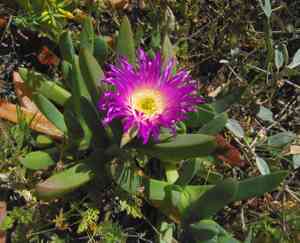
The visual advantages of using Sea fig in your landscape are considerable. This plant provides lively, spreading greenery that can form a lush ground cover, suppressing weeds and reducing soil erosion. Its colorful blossoms, which can range from pink to purple hues, offer vivid splashes of color and attract pollinators like bees and butterflies. By integrating Sea fig, you introduce a natural beauty that changes with the seasons, keeping your garden vibrant and dynamic all year.
How Sea fig contributes to the ecological balance in gardens
Beyond its visual appeal, Sea fig plays a crucial role in maintaining ecological equilibrium. It acts as a ground cover, protecting soil from erosion and conserving water by lessening evaporation. The plant's ability to withstand harsh conditions means it requires few resources, making it an eco-friendly choice. Moreover, Sea fig supports local biodiversity by offering shelter and food for pollinators and other wildlife. Its presence can foster a healthier ecosystem within your garden.
Choosing the Ideal Location for Sea fig
Assessing sunlight and soil conditions suitable for Sea fig
To ensure Sea fig thrives in your garden, it's vital to evaluate the sunlight and soil conditions of your chosen spot. Sea fig prefers full sun, meaning it should receive at least six hours of direct sunlight daily. Regarding soil, it favors sandy, well-draining types but can tolerate various conditions as long as they aren't consistently wet. Testing your soil's drainage and adjusting it can help create an optimal environment for Sea fig to flourish.
Strategic placement tips for maximum impact
Strategic placement of Sea fig can maximize its effect in your garden. Consider using Sea fig as a border plant along paths or edges to create a defined, attractive boundary. It can also be very effective when used on slopes or in rock gardens, where its spreading habit helps stabilize the soil and prevent erosion. Layering Sea fig with taller plants behind it can add depth and interest, ensuring this vibrant groundcover remains a focal point in your landscape design.
Integrating Sea fig With Other Plants
Companion plants that enhance the growth and beauty of Sea fig
To create a visually stunning and ecologically balanced garden, consider companion plants that complement Sea fig. Drought-tolerant plants such as succulents, lavender, and ornamental grasses pair well with Sea fig, sharing similar water and soil needs. These companions can enhance the textural and color contrasts in your garden, providing a cohesive and appealing look. Furthermore, choosing native plants can further support local wildlife and contribute to a sustainable garden ecosystem.
Design techniques for a harmonious plant arrangement
Harmonious plant arrangement is crucial for successful landscape design with Sea fig. Begin by planning a layout that considers the growth habits and mature sizes of your plants. Use Sea fig as a unifying element in borders or as a ground cover to fill in gaps between taller plants. Incorporate a mix of heights, textures, and colors to create visual interest and balance. Regularly stepping back to view your design from different angles can help you fine-tune the arrangement for maximum aesthetic appeal.
Sea fig Maintenance Tips for Long-Term Beauty
Basic upkeep practices for maintaining the health of Sea fig
Maintaining the health and beauty of Sea fig involves several fundamental upkeep practices. Regularly remove any dead or damaged leaves to encourage healthy growth and prevent disease. Although Sea fig is drought-tolerant, occasional deep watering during extended dry periods can improve its vigor. Mulching around the plant can help retain soil moisture and suppress weeds. Additionally, occasional light pruning can encourage denser growth and more prolific flowering, keeping your Sea fig plants looking their best.
Seasonal considerations for Sea fig care
Seasonal care is also vital for Sea fig. In the spring, it's beneficial to refresh the mulch layer and provide a balanced fertilizer to support new growth. During summer, ensure consistent watering, particularly in extremely hot and dry weather. Fall is an excellent time for light pruning and removing any accumulated debris. In winter, while Sea fig is relatively hardy, it's good practice to check for any signs of frost damage and protect the plant with a light mulch cover if necessary. These seasonal considerations ensure your Sea fig remains healthy and vibrant throughout the year.



