How to Propagate Sea fig?
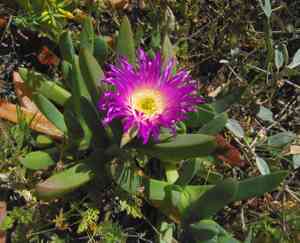
Originating from South Africa, the robust sea fig flourishes in seaside regions and can be successfully multiplied via cuttings. Horticulturalists can sever robust stem sections, permitting them to air-dry briefly prior to direct insertion into porous soil. These succulent pieces frequently establish roots without difficulty, rendering them superb for initiatives involving ground cover proliferation or pot-based growing. Succulent aficionados value its swift development and undemanding upkeep, cultivating a dense, vivid carpet of leaves adorned with impressive flowers.
When Is the Optimal Time to Propagate Sea Fig?
Propagation Method
Cutting
Propagation Period
Spring,Summer
What Implements Are Utilized in Sea Fig Propagation?
Sharp Pruning Shears
Used for taking clean, precise cuttings from sea fig, sharp pruning shears help minimize harm to the parent plant and ensure a neat cut on the propagules. This is vital as a clean cut aids in preventing infection and promotes faster rooting.
Rooting Hormone Powder
This assists in stimulating root development from sea fig cuttings. Applying rooting hormone to the cut end of a cutting prior to planting can significantly boost the likelihood of successful rooting. This is especially beneficial for sea fig, encouraging robust root formation.
Sterile Potting Mix
Perfect for planting the cuttings, a sterile potting mix guarantees that young sea fig cuttings are not exposed to pathogens that could cause illness. It also offers the appropriate texture and moisture retention to support root growth.
Small Pots or Trays
These containers are employed to plant the initial cuttings. They should offer adequate drainage and sufficient room for sea fig roots to grow, without being excessively large, which could retain too much moisture and lead to root rot.
Plastic Bags or Propagation Dome
Creating a humid environment around sea fig cuttings is essential for their survival and development. Covering the pots or trays with plastic bags or placing them under a propagation dome helps maintain high humidity, mimicking a greenhouse setting.
How to Propagate Sea Fig?
Propagation Difficulty
Easy
How to Nurture Your Newly Propagated Sea Fig?
How to Nurture Your Newly Propagated Sea Fig?
Once established, sea fig requires minimal attention. It thrives in a sunny spot and can endure various soil types, provided drainage is good. Water moderately during the active growth phase, and reduce irrigation in winter. Fertilization is generally not needed, but if desired, use a balanced, water-soluble fertilizer at a quarter strength during the growing season. Prune as necessary to manage spread or maintain desired form.
Common Errors to Avoid When Propagating Sea Fig
Excessive watering of cuttings
Root rot can occur when sea fig cuttings receive too much water. They need less moisture than mature plants, so excessive wetness is harmful.
Planting too deeply
Burying cuttings too deep can impede root formation. Sea fig cuttings require light and air circulation on the surface to stimulate root development.
Neglecting drainage
Poor drainage can result in waterlogged soil, which is detrimental to sea fig cutting health. Saturated soil can cause rot and hinder root growth.
Advice For Propagating Sea Fig
Utilizing sharp implements
Clean cuts made with sharp tools promote healthier and quicker rooting for sea fig, minimizing damage and reducing infection risks.
Allowing callus formation
The cut end of sea fig should be permitted to form a callus for a few days before planting. This helps protect the cutting from rot and diseases.
Suitable substrate
Well-draining, sandy soil is ideal for sea fig propagation to prevent moisture accumulation and encourage aeration around the developing roots.



