How to Prune Sea fig?
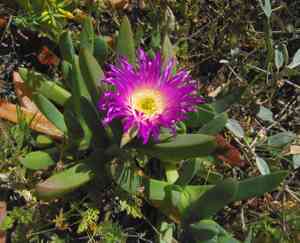
Hailing from South Africa, this succulent groundcover is characterized by its plump leaves and vivid, daisy-like blossoms. To ensure peak health and visual appeal, trim sea fig by cutting back excessive growth, withered foliage, and faded blooms. Perform minor, consistent pruning from spring to autumn to foster denser growth and preserve its form. Timely pruning boosts the plant's strength and limits its aggressive expansion. Employ sharp, sanitized implements to avert disease spread and guarantee precise cuts for rapid healing.
Advantages of Trimming Sea Fig
Advantages of Trimming Sea Fig
Trimming sea fig promotes abundant flowering and robust development, ensuring it keeps a manageable form. Strategic cuts prevent excessive growth, allowing light and air to reach internal parts, thereby lowering disease risk.
Optimal Time for Pruning Sea Fig
Optimal Time for Pruning Sea Fig
Late Spring is an ideal time to prune sea fig as it coincides with the start of its active growth phase, enabling rapid healing and encouraging vigorous development throughout the growing season. It also ensures that any winter-damaged or diseased portions are removed before new growth emerges. Early Fall is another suitable period for lighter pruning, which helps shape the plant and remove spent blooms or excess growth without harming sea fig before dormancy. However, it is crucial to avoid heavy pruning too late in Fall, as this can stimulate new growth that may not harden off before the first frost, potentially damaging sea fig. Both seasons are recommended because they align with the plant's natural growth cycle and help maintain its health and aesthetic form without affecting flowering or fruiting cycles.
Required Tools for Pruning Sea Fig
Hand Pruners
For trimming or shaping sea fig, hand pruners are perfect due to their precision and ability to make clean cuts on smaller stems.
Gloves
Given that sea fig can have tough, fleshy leaves and may be found in coastal areas with sharp debris, durable gloves are essential to protect hands during pruning.
Loppers
For reaching into denser growth or cutting thicker stems that hand pruners cannot manage, loppers provide the necessary leverage and reach.
Pruning Saw
If sea fig has developed very thick stems or branches that need removal, a pruning saw allows for cutting through these with minimal effort.
Garden Fork
To manage and prune the root systems of sea fig, a sturdy garden fork can be used gently to lift and separate the roots if necessary.
Disinfectant
To prevent the spread of disease during pruning, tools should be disinfected before moving from one sea fig to another. A simple solution of bleach or alcohol can be used.
How to Prune Sea Fig
Sanitise Tools
Sanitize your pruning tools with alcohol or bleach solution to prevent the spread of disease when trimming sea fig.
Remove Diseased Leaves
Carefully prune any diseased leaves from sea fig, ensuring complete removal to prevent infection spread.
Trim Withered Leaves
Cut away withered leaves at their base where they meet the stem or the main plant body to promote healthy growth and a tidy appearance.
Deadhead Flowers
Deadhead withered flowers by snipping them off just below the flower head to encourage new blooms and prevent self-seeding if not desired.
Dispose
Dispose of all removed plant material appropriately to avoid any potential diseases returning to sea fig or affecting other plants.
Common Pruning Errors with Sea Fig
Excessive Cutting
Pruning too much of sea fig at once can shock the plant, hindering its growth or even causing death. The plant has a robust spreading habit, but it can still be stressed by excessive removal of its fleshy, succulent leaves and stems.
Incorrect Cut Placement
Cutting too far from leaf nodes or into old, woody growth can result in unsightly stems and poor regrowth. For sea fig, it's important to prune close to a node to encourage healthy new shoots.
Using Dull Tools
Utilizing blunt pruning shears can damage the tissues of sea fig, leading to jagged cuts that are susceptible to disease. Clean, sharp tools make precise cuts that heal quickly and reduce the risk of infection.
Pruning Healthy Growth
Removing healthy leaves and stems instead of just the dead or overgrown ones can limit sea fig's potential for expansion and flower production. Focus on pruning areas that clearly need attention for the health and aesthetics of the plant.
Neglecting Plant Form
Failing to consider the natural spreading form of sea fig can result in an unnatural appearance. Aim to maintain its ground-covering and mounded shape without overly formalizing its appearance.
General Pruning Advice for Sea Fig
Selective Cutting
Prune selectively, removing only dead, damaged, or overgrown sections of sea fig to maintain its health and shape. Aim to reduce the plant load by no more than one-third at a time.
Node Targeting
Make cuts just above the leaf nodes to encourage sea fig to branch out and fill in evenly. This technique promotes denser growth and can lead to more abundant flowering.
Tool Maintenance
Always use sharp, clean pruning tools to make clean cuts on sea fig, which helps prevent disease and allows for quick healing. Sterilize tools between uses to avoid spreading pathogens.
Scheduled Trimming
Regularly inspect sea fig for areas that require attention, and trim lightly as needed rather than waiting for significant overgrowth. This approach encourages vitality and prevents the need for drastic pruning later on.
Shape Retention
While pruning, follow the natural contours of sea fig to maintain its aesthetically pleasing and functional ground-cover form. Pruning should enhance plant health and appearance, not detract from its intrinsic beauty.



