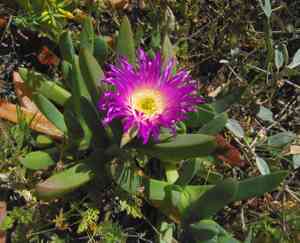
Sea fig(Carpobrotus chilensis)

Sea fig (Carpobrotus chilensis)

Also known as: Ice Plant

The sea fig (Carpobrotus edulis) is a succulent that serves both edible and ornamental purposes. Its leaves are edible and can be consumed raw in salads or cooked. However, the fruit is notably sour unless fully ripe.

### Uses:
1. **Edible**: The leaves can be used in culinary applications, such as salads and cooked dishes.
2. **Ornamental**: Its attractive foliage and vibrant flowers make it a popular choice for decorative planting.

### Potential Issues:
1. **Invasiveness**: In warm temperate coastal areas, the sea fig has become an invasive species. It spreads rapidly, crowding out native plants and reducing biodiversity.
2. **Habitat Disruption**: Its aggressive growth can alter local ecosystems, making it difficult for native plant species to thrive.

Balancing its culinary and ornamental uses with its potential to disrupt local ecosystems is essential.

Attributes of Sea fig

Lifespan
Perennial
Plant Type
Herb
Plant Height
2 m
Spread
45 cm to 60 cm
Leaf Color
Green Blue
Flower Size
4 cm to 6 cm
Flower Color
Yellow Purple Red

ForwardPlant - Identify plants with a snap

Identify and diagnose plants, get toxicity alerts, and explore safety guides for all types of fungi.

Try for Free

Images of Sea fig

Sea fig(Carpobrotus chilensis)

Quickly Identify Sea fig

1
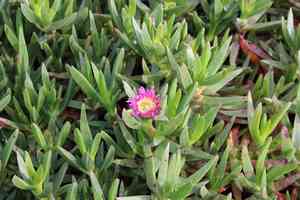
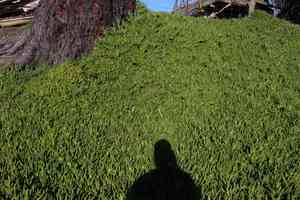
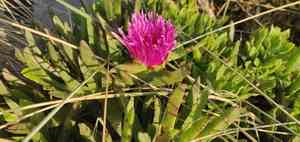
Identify Carpobrotus chilensis by its fleshy, triangular leaves and bright purple to pink flowers. The plant often forms dense mats and has a creeping habit.

Scientific Classification of Sea fig

Phylum
Vascular plants
Class
Dicotyledons
Order
Caryophyllales
Family
Fig-marigold
Genus
Ice plants
Species
Sea fig

Planting and Growing of Sea fig

Care Difficulty
Easy
Watering Schedule
Every day
Sunlight Requirements
Full sun
Sunshine Duration
6-8 hours
Ideal Temperature
60-75℉
Soil Type
Potting Mix, Peat Mix
Soil pH
6.5-7.5
Fertilizer Type
Balanced
Pruning Season
Spring, Summer
Pruning Area
Branches, Leaves
Pruning Frequency
2 times a year
Repotting Season
Spring
Pot Type
Plastic, Ceramic

water icon How to Water Sea fig?

Water the Carpobrotus chilensis with approximately 100 milliliters of water each time. This succulent plant requires the soil to be lightly moistened but not soaked. The primary goal is to mimic its natural arid coastal environment, where it rarely experiences excessive moisture.
What are the symptoms of an underwatered Sea fig?
What should I do if my Sea fig is not getting enough water?
What are the symptoms of an overwatered Sea fig?
How to save an overwatered Sea fig?

sunlight icon What Are the Sunlight Requirements for Sea fig?

Sunlight Requirements: Full sun
Duration of light: 6 to 8 hours
Carpobrotus chilensis thrives in full sun, benefiting greatly from extended daily sunlight exposure. Ideal light conditions enable it to develop intensively colored leaves and maintain prolific flowering cycles, enhancing its decorative and ecological function.
What are the ideal lighting conditions for Carpobrotus chilensis?
How can you ensure ideal lighting for Carpobrotus chilensis?
What are the benefits of ideal lighting for Carpobrotus chilensis?
More About Sunlight Requirements Techniques

temperature icon What Is the Ideal Temperature Range for Sea fig?

Ideal Temperature: 60 ~ 75℉
Carpobrotus chilensis thrives in mild temperatures, typically ranging from 60°F to 75°F. These conditions closely mimic the coastal environments where this plant originates. Keeping temperatures within this range promotes healthy growth, flowering, and vibrancy.

soil icon What Soil is Best for Sea fig?

Soil type: Sandy soil, Sandy loam
Soil PH: 6.5 ~ 7.5
Carpobrotus chilensis requires well-drained soil to prevent root rot and other moisture-related issues. Proper drainage ensures that water does not accumulate around the roots, which is crucial for the health of this succulent. It helps in promoting strong root growth and overall plant vigor. An aerated soil structure is vital for Carpobrotus chilensis, as it ensures that roots receive adequate oxygen. This succulent thrives when there are ample air pockets within the soil, allowing roots to breathe and function properly, leading to enhanced growth. Though it sounds counterintuitive, Carpobrotus chilensis prefers nutrient-poor soil. This type of soil prevents excessive vegetative growth that can occur with rich soil, allowing the plant to focus energy on flowering and maintaining its robust foliage.

fertilize icon How to Fertilize Sea fig?

Fertilizer type: Balanced
Carpobrotus chilensis, commonly known as ice plant, does not require heavy fertilization. When applying liquid fertilizer, a diluted solution of half-strength balanced liquid fertilizer is sufficient. Use approximately 1/4 teaspoon of fertilizer per gallon of water.

prune icon How to Prune Sea fig?

Pruning Time: Spring, Summer, Autumn
When pruning Carpobrotus chilensis, avoid cutting back too much foliage at once. This plant relies on its leaves for photosynthesis and energy. Over-pruning can stress the plant, making it more susceptible to disease and inhibiting growth. Ensure weather conditions are optimal when pruning. Prune on dry, rain-free days to minimize the risk of pathogens entering the fresh cuts. Also, avoid pruning during extreme heat as the plant may become stressed. Always use clean, sharp pruning tools. Dull blades can crush plant tissue, leading to increased susceptibility to infection. Regularly sanitize your tools with alcohol to prevent the spread of pathogens between plants. More About Pruning Techniques

propagate icon How to Propagate Sea fig plant?

Propagate Time: Late spring,Summer
1
When propagating by cuttings, choose healthy, non-flowering stems for best results. Stems should be 10-15 cm in length and free from disease or pests.
2
For seed and cutting propagation, prepare a well-draining soil mix. A mix of equal parts sand, perlite, and potting soil works well to support root development.
3
For division propagation, gently separate the plant into sections, ensuring each has roots attached. This can be done during repotting or when the plant is dormant.
More About Propagating Techniques

repot icon How to Repot Sea fig plant?

Repotting frequency: Every 2-3 years
1
Carpobrotus chilensis gives a few clear signals when it needs repotting. Look for signs such as roots growing out of the drainage holes or the plant becoming top-heavy and imbalanced. Additionally, if the growth seems stunted or the soil no longer retains moisture effectively, it's time for a new pot.
2
Selecting the perfect pot involves ensuring it has adequate drainage holes to prevent waterlogging, a common culprit in root rot. Opt for a pot slightly larger than the current one to allow for root expansion, and avoid excessively large pots that retain too much moisture and can slow growth.
3
A well-draining sandy soil mix is ideal for Carpobrotus chilensis. This type of soil mimics its natural coastal environment, allowing for sufficient water drainage and aeration around the roots. Ensuring optimum drainage helps prevent root rot and supports healthy growth.

ForwardPlant - Identify plants with a snap

Find the best spots for them to optimize their health, simply using your phone.

Try for Free