The Sea fig Plant Advantage: Maximizing Home and Office Appeal and Wellness
1
Carpobrotus edulis excels at securing sandy terrains, thereby inhibiting land degradation along shorelines.
2
This plant boasts a high antioxidant content, contributing to general health.
3
Given its succulent characteristics and robust development, sea fig serves as an outstanding option for ground cover.
Why is Sea fig a Crucial Plant for Coastal Regions?
Erosion Prevention
A primary advantage of Sea fig is its efficacy in preventing erosion in shoreline areas. This plant's root structure is particularly skilled at binding sand, thereby lessening soil loss caused by wind and water. This makes it an excellent choice for stabilizing and restoring coastal dunes.
Sand Stabilization
Beyond simply preventing erosion, Sea fig also plays a vital role in securing sand dunes. The plant's capacity to thrive in sandy soil with minimal water makes it highly resilient and invaluable for preserving the integrity of coastal landscapes. This stabilization not only safeguards the environment but also helps protect human infrastructure from damage due to shifting sands.
How Does Sea fig Enhance Health and Well-Being?
Rich in Antioxidants
Among the numerous health advantages offered by Sea fig, its high antioxidant content stands out. These compounds are crucial for neutralizing detrimental free radicals in the body, thus lowering oxidative stress. Consuming parts of Sea fig, or applying them topically, can contribute to improved skin health, enhanced immune function, and overall wellness.
Nutrient Profile
In addition to antioxidants, Sea fig is abundant in various nutrients that support health. These include vitamins, minerals, and essential fatty acids. The succulent leaves can be incorporated into salads or used as a garnish, adding both flavor and nutritional value to your diet.
Why is Sea fig Ideal for Ground Cover?
Low Maintenance
One of the prominent characteristics of Sea fig is its minimal upkeep requirement. It needs little water, flourishes in poor soil conditions, and resists pests and diseases. This makes it an excellent option for ground cover, especially in arid regions where other plants might struggle to survive.
Aesthetic Appeal
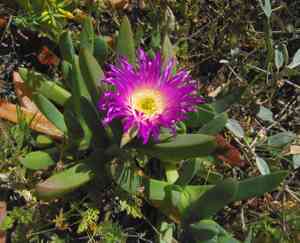
Beyond its practical benefits, Sea fig also adds visual charm to any landscape. With its lush green foliage and vibrant blooms, it can transform barren land into an attractive oasis. This makes it a popular choice for gardeners and landscapers seeking to add both beauty and utility to their projects.
How to Grow Sea fig in Your Garden?
Planting Instructions
To successfully cultivate Sea fig in your garden, begin by selecting well-drained, sandy soil. Plant the cuttings or seeds in an area that receives ample sunlight. Water the plant sparingly, as excessive watering can lead to root rot. Given its hardiness, Sea fig will quickly establish itself, providing robust ground cover within a few months.
Care Tips
While Sea fig is low-maintenance, occasional care will ensure its optimal growth. Trim back any overgrown sections to encourage new growth and prevent the plant from becoming too leggy. Also, monitor for any signs of pest infestations or diseases, though these are uncommon. With minimal effort, you can enjoy the many benefits that Sea fig provides.
Environmental Impact of Sea fig
Biodiversity Support
Sea fig plays a significant role in supporting biodiversity within coastal ecosystems. Its flowers attract a variety of pollinators, including bees and butterflies, which are vital for maintaining ecological balance. Additionally, the plant offers habitat and food for local wildlife, contributing to a healthier ecosystem.
Carbon Sequestration
Another notable environmental advantage of Sea fig is its capacity to absorb carbon. Through photosynthesis, the plant takes in carbon dioxide from the atmosphere, helping to lessen the effects of climate change. Planting Sea fig can, therefore, be a small yet meaningful step towards reducing your carbon footprint.
Can Sea fig Be Utilized in Landscaping?
Versatile Applications
In landscaping, Sea fig offers a range of adaptable uses. It can be employed to cover large areas of ground, create natural barriers, or add texture and color to rock gardens. Its ability to adapt to various soil types and climates makes it a favored choice for both residential and commercial landscaping endeavors.
Complementary Planting
When designing a landscape with Sea fig, consider complementary planting schemes to enhance visual appeal. Combine it with other drought-resistant plants, such as succulents and ornamental grasses, to create a cohesive and sustainable garden design. The contrasting textures and colors can produce stunning visual effects, transforming any garden into a masterpiece.



