How to Transplant Oval-leaf sedge?
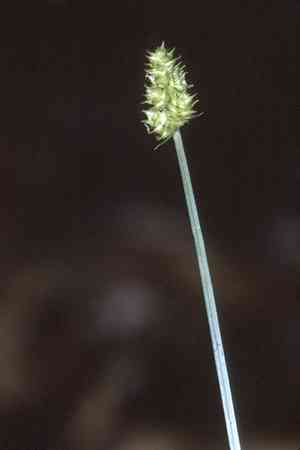
For oval-leaf sedge, the ideal period for relocation extends from the lively energy of late spring through the comforting warmth of mid-summer. Choose a location offering filtered sunlight and soil that drains effectively. When dividing, proceed with care to protect the integrity of the roots.
What Preparations are Needed Before Transplanting Oval-leaf Sedge?
What is the Ideal Time for Transplanting Oval-leaf Sedge?
The optimal period to relocate oval-leaf sedge is from the refreshing onset of spring into the early vibrancy of summer. This timeframe offers moderate weather, allowing roots to settle before intense heat. Moving oval-leaf sedge then enables it to benefit from an extended growth season, promoting robust development. This timing also provides sufficient moisture and gentle sunlight, perfect for oval-leaf sedge to flourish after relocation. These conditions, bridging late spring's warmth and summer's beginning, set the stage for oval-leaf sedge's success.
How Much Space Should You Leave Between Oval-leaf Sedge Plants?
When getting ready to move your oval-leaf sedge, aim for a separation of approximately 12-18 inches (30-46 cm) between each plant. This will provide your oval-leaf sedge with adequate room to expand and display their attractive foliage.
What is the Best Soil Mix for Oval-leaf Sedge Transplanting?
For oval-leaf sedge, you'll want to prepare a location with soil that drains well and is abundant in organic material. Before moving, incorporate a balanced, slow-release fertilizer to give your oval-leaf sedge a nourishing start in its new environment.
Where Should You Relocate Your Oval-leaf Sedge?
Your oval-leaf sedge will thrive best in an area that receives partial to full sunlight. Ensure the spot gets a few hours of mild morning or late afternoon sun, which will provide optimal light without scorching the leaves.
What Equipments Should You Prepare Before Transplantation Oval-leaf Sedge?
Gardening Gloves
To safeguard your hands while handling soil and plants.
Shovel or Spade
For excavating the plant and preparing the new planting site.
Watering Can or Hose
To hydrate the oval-leaf sedge before and after its relocation.
Pruning Shears
For trimming any damaged roots or foliage.
Wheelbarrow or Tarp
To move the oval-leaf sedge from its original spot to the new location.
Garden Fork
To loosen soil around the transplantation area and improve soil structure if needed.
Mulch
To help retain moisture in the soil around the new planting site.
How Do You Remove Oval-leaf Sedge from the Soil?
How Do You Remove Oval-leaf Sedge from the Soil?
From Ground: First, moisten the oval-leaf sedge to dampen the soil. Dig a wide circle around the plant using a shovel or spade, being careful not to harm the root system. Gently work the tool beneath the root ball and lift the oval-leaf sedge from its initial position.From Pot: Water the oval-leaf sedge thoroughly. Place your hand at the plant's base, turn the pot sideways or upside down, and tap the bottom to loosen the root ball. Carefully ease the oval-leaf sedge out while supporting the soil and roots.From Seedling Tray: Water the seedlings to ensure soil cohesion. Use a spoon or a small tool to carefully lift the oval-leaf sedge from its cell without disturbing the roots much, hold the seedling by the leaves, not the stem.
Step-by-Step Guide for Transplanting Oval-leaf Sedge
Preparation
Gather all necessary tools. Confirm that the new site is free of weeds and the soil is ready for the oval-leaf sedge.
Dig the Hole
Using a shovel, excavate a hole in the ground that is twice the width of the oval-leaf sedge's root ball and of equal depth to allow roots to spread.
Plant Removal
Gently extract the oval-leaf sedge from its current spot, taking extra care not to harm the roots or foliage.
Root Ball Inspection
Examine the root ball for any indications of disease or damage. Use pruning shears to remove any problematic areas.
Placement
Carefully position the oval-leaf sedge into the hole, ensuring the top of the root ball is level with the surrounding soil surface.
Backfill the Hole
Gradually refill the hole with the original soil, gently firming it around the roots to eliminate air pockets.
Watering
Water the oval-leaf sedge thoroughly after planting to settle the soil around the roots and remove any remaining air gaps.
Mulching
Apply a layer of mulch around the base of the oval-leaf sedge to help maintain moisture levels and suppress weeds.
How Do You Care For Oval-leaf Sedge After Transplanting?
Initial Watering
Water generously right after transplanting to help oval-leaf sedge recover from transplant shock.
Regular Watering
Continue to water the oval-leaf sedge deeply and regularly, especially during its first growing season, to ensure proper establishment.
Monitoring
Keep an eye on the oval-leaf sedge for signs of transplant shock, such as wilting or yellowing leaves, and take action as necessary.
Mulch
Maintain the layer of mulch to conserve moisture and provide a stable temperature environment for the roots.
Seasonal Care
As the seasons change, adjust the care for your oval-leaf sedge according to its specific needs during its growth cycle.
Troubleshooting Common Issues with Oval-leaf Sedge Transplantation.
When is the best time to transplant oval-leaf sedge?
Ideal for relocating oval-leaf sedge is from late spring to mid-summer, ensuring the warmest growth period.
How far apart should I space oval-leaf sedge during transplanting?
Give each oval-leaf sedge about 12-18 inches (30-45 cm) of space to allow for proper growth and airflow.
What's the right depth for planting oval-leaf sedge?
Dig a hole as deep as the root ball but twice as wide to give roots room to establish.
How often should I water oval-leaf sedge post-transplant?
Water gently but deeply after transplanting, then regularly until established, reducing frequency as the plant matures.
Why are my transplanted oval-leaf sedge wilting?
Wilting post-transplant could be due to shock. Ensure ample water and avoid direct sun for a few days.
Should I fertilize oval-leaf sedge after transplanting?
Wait 4-6 weeks post-transplant before feeding oval-leaf sedge, letting roots settle without overwhelming them with nutrients.
Can I transplant oval-leaf sedge on a hot day?
Avoid transplanting oval-leaf sedge on hot days. Overcast days with mild temperatures are the best for reducing stress.
What type of soil is suitable for transplanting oval-leaf sedge?
Plant oval-leaf sedge in well-draining soil rich in organic matter to provide the best start post-transplant.
How do I handle the roots of oval-leaf sedge during transplanting?
Be gentle, keep the roots moist and untangle any circling roots to encourage outward growth in oval-leaf sedge.
Why isn't my oval-leaf sedge growing after transplant?
Check if oval-leaf sedge has been placed at the right depth and isn't over or under-watered. Patience is key during establishment.



