How Much Sunlight Do Oval-leaf sedge Need?
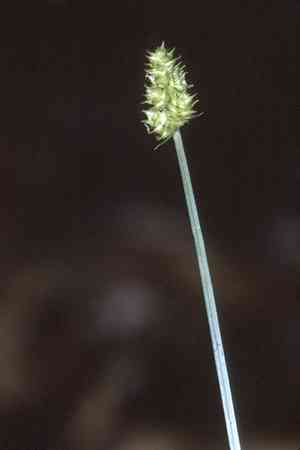
1
Oval-leaf sedge flourishes optimally in direct sun exposure yet can endure some shade.
2
When growing Oval-leaf sedge indoors, position it by a window that gets indirect illumination for a minimum of 6 hours each day.
3
Periodically check your Oval-leaf sedge to modify its light exposure based on the season and prevent typical light-related problems.
Optimal Illumination for Oval-leaf Sedge
Full Sun Requirements
Oval-leaf sedge flourishes in full sun, necessitating a minimum of 6 hours of direct sunlight daily. These conditions foster its characteristic vibrant green foliage and promote vigorous development. Outdoors, position the plant where it can absorb morning and early afternoon sun. This placement not only nourishes the plant but also ensures its strength and resilience.
Partial Shade Adaptability
While Oval-leaf sedge thrives best in full sun, it can endure partial shade. This makes it versatile for gardens lacking consistent direct sunlight throughout the day. If situated in partial shade, ensure the plant receives at least 3 to 6 hours of filtered sunlight daily. Ideally, place it where it's shaded during intense mid-afternoon hours, safeguarding it from potential sun damage.
Indoor Lighting Recommendations
For indoor cultivation, Oval-leaf sedge needs bright, indirect light. Position your plant near a south or west-facing window, ensuring it gets light for approximately 6 hours daily. If natural light is insufficient, consider supplementing with artificial grow lights. Periodically rotate the plant to ensure uniform growth and prevent one side from being underexposed.
How to Position Oval-leaf Sedge for Best Light
Outdoor Placement Strategies
When planting Oval-leaf sedge outdoors, select a well-drained spot that receives abundant sunlight. Ensure the plant isn't overshadowed by taller vegetation or structures. You can also place Oval-leaf sedge along garden edges or paths where it gets unobstructed morning light. During extremely hot and dry periods, consider providing temporary shade to prevent scorching.
Indoor Positioning and Window Selection
Indoors, place your Oval-leaf sedge near windows where it can receive bright, indirect sunlight. South-facing windows typically offer the most consistent light throughout the day. If a south-facing window isn't available, a west-facing window is the next best choice. Ensure blinds or curtains are adjusted to diffuse the light and prevent direct burn marks on the leaves.
Common Light-Related Issues and Solutions for Oval-leaf Sedge
Signs of Excessive Sunlight
Overexposure to sunlight can cause leaf scorch and discoloration in Oval-leaf sedge. Look for brown or crispy leaf edges, indicating the plant is receiving too much direct sunlight. In severe cases, move the plant to a less exposed area or provide shading during peak sun hours.
Indicators of Insufficient Light
Inadequate light can lead to etiolated growth, where the plant stretches towards the light source, resulting in sparse and weak stems. Yellowing foliage and stunted development also signal that your Oval-leaf sedge isn't getting enough light. To correct this, move the plant to a brighter location or use grow lights to supplement natural light.
Remedying Light Problems
To address light-related issues, regularly monitor the plant's location and adjust as needed. If excessive sunlight is a problem, create shade using garden netting or reposition the plant. For a lack of light, increase the plant's exposure by moving it to a sunnier spot or using indoor grow lights. Regularly rotating the plant helps ensure all sides receive equal light exposure.
Seasonal Sunlight Adjustments for Oval-leaf Sedge
Adjusting in Spring and Summer
During spring and summer, Oval-leaf sedge enters its active growth phase and benefits from longer daylight hours. Ensure it receives ample sunlight, which might involve relocating it to a sunnier spot or adjusting shading mechanisms to allow more light. Monitoring soil moisture is crucial as increased light exposure can lead to faster water evaporation.
Adapting in Fall and Winter
In fall and winter, daylight hours shorten, and sunlight intensity diminishes. For outdoor plants, ensure they still receive as much light as possible by removing any nearby obstructions. Indoors, moving the plant closer to windows and using grow lights can enhance light availability. The goal is to maintain at least 6 hours of light exposure to keep the Oval-leaf sedge healthy during its dormant period.



