The Oval-leaf sedge Plant Advantage: Maximizing Home and Office Appeal and Wellness
1
Excellent for preventing soil erosion, its root system firmly anchors the ground.
2
Flourishes in diverse soil conditions, offering flexibility for garden design.
3
Offers shelter and sustenance to a range of animal life.
What Makes Oval-leaf sedge Unique?
Distinct Characteristics
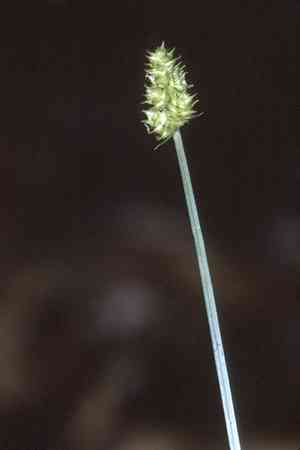
Oval-leaf sedge is a perennial grass-like plant that displays a unique clumped growth pattern with slender, elongated foliage. Unlike many other sedges, it possesses a distinctive seed structure resembling an oval, giving it a recognizable look. This feature makes it an attractive option for adding texture and visual appeal to gardens and natural settings.
Adaptability to Soil
One of the most remarkable qualities of Oval-leaf sedge is its incredible capacity to adapt to a broad spectrum of soil conditions. Whether the soil is sandy, loamy, or rich in clay, Oval-leaf sedge can flourish, making it an excellent selection for diverse landscaping endeavors. Its ability to thrive in both arid and moist environments further enhances its versatility.
Environmental Benefits of Oval-leaf sedge
Erosion Control
Erosion is a frequent issue in many landscapes, but Oval-leaf sedge provides an effective remedy. The plant's dense root system helps to firmly stabilize the soil, preventing erosion on inclines and banks. Its roots form an interconnected network that binds the soil, reducing runoff and maintaining ground integrity.
Contribution to Biodiversity
Oval-leaf sedge significantly contributes to local biodiversity. It offers habitat and sustenance for various wildlife species, including insects, birds, and small mammals. The plant's seeds serve as a food source for birds, while its thick foliage provides shelter and breeding areas for other creatures. By cultivating Oval-leaf sedge, you can foster a thriving ecosystem in your landscape.
Practical Uses of Oval-leaf sedge in Landscaping
Garden Design
Incorporating Oval-leaf sedge into garden design can introduce texture, hue, and structure. Its distinctive seed heads create a striking contrast with other plants, making it a focal point in flower beds or borders. Furthermore, its hardiness and minimal upkeep requirements make it a practical choice for both amateur and professional gardeners.
Sustainable Landscaping
Sustainable landscaping aims to create beautiful and functional outdoor spaces with minimal environmental impact. Oval-leaf sedge fits perfectly into this concept. Its low water needs and ability to thrive without chemical fertilizers make it an ecologically responsible choice. Utilizing native plants like Oval-leaf sedge reduces the demand for additional resources and supports local ecosystems.
How to Cultivate Oval-leaf sedge Effectively?
Planting Tips
When planting Oval-leaf sedge, it's crucial to select a location that receives partial to full sunlight. Although adaptable to various soils, well-drained soil will promote optimal growth. Spacing plants approximately 1-2 feet apart will allow them to spread naturally and cover the area efficiently.
Maintenance Guidelines
Oval-leaf sedge requires minimal care once established. Consistent watering during the initial growth phase ensures healthy establishment. Afterward, occasional irrigation during dry spells is sufficient. Pruning is generally not needed, but removing dead foliage in early spring can encourage vigorous growth.
Why Choose Oval-leaf sedge for Your Landscape?
Aesthetic Appeal
Oval-leaf sedge brings a unique visual charm to any landscape. Its graceful arching leaves and distinctive seed heads provide visual interest throughout the growing season. Whether utilized as a ground cover, in mass plantings, or as an accent plant, Oval-leaf sedge enhances the beauty of outdoor areas.
Ecological Benefits
Beyond its aesthetic appeal, Oval-leaf sedge offers numerous ecological advantages. By planting Oval-leaf sedge, you contribute to soil stabilization, water conservation, and biodiversity. It's a small yet significant step towards creating a more sustainable and resilient environment.



