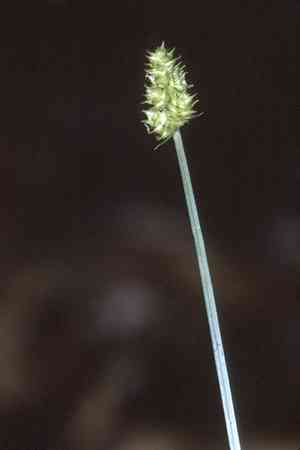
Oval-leaf sedge (Carex cephalophora)
Also known as: Oval-headed Sedge, Wood Sedge
Oval-leaf sedge (Carex cephalophora) can be distinguished from similar species by its preference for dry woodland habitats in its native North America. Unlike many sedge species that can become invasive, Oval-leaf sedge does not have a history of invasiveness.
In This Article
Attributes of Oval-leaf sedge
Lifespan
Perennial
Plant Type
Grass
Plant Height
20 cm to 91 cm
Spread
N/A
Leaf Color
Green Blue
Flower Size
Small (less than 1 cm)
Flower Color
Yellow Green Brown
Images of Oval-leaf sedge
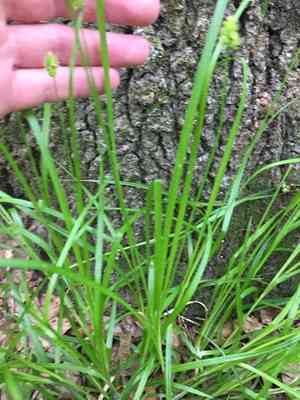
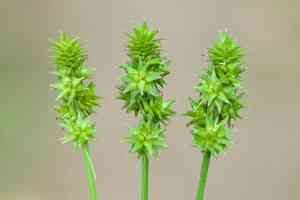
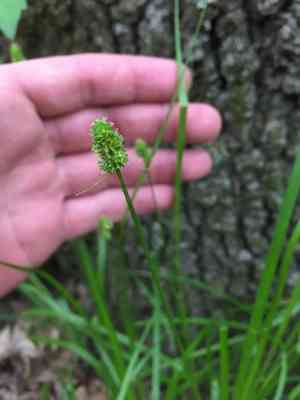
Quickly Identify Oval-leaf sedge
1
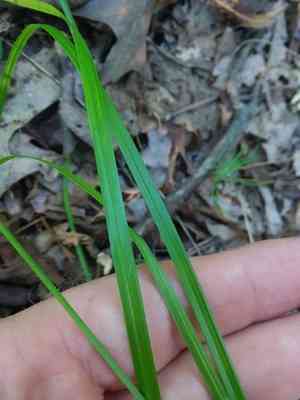
Identifiable by its dense, oblong or oval-shaped flower spikes and grass-like leaves. The flower spikes are held above the leaves on slender stems.
Scientific Classification of Oval-leaf sedge
Phylum
Vascular plants
Class
Monocotyledons
Order
Poales
Family
Sedge
Genus
True sedges
Species
Oval-leaf sedge
Planting and Growing of Oval-leaf sedge
Care Difficulty
Easy
Watering Schedule
Every 3 days
Sunlight Requirements
Partial sun
Sunshine Duration
4-8 hours
Ideal Temperature
60-75℉
Soil Type
Potting Mix, Peat Mix
Soil pH
5.5-7.5
Fertilizer Type
Balanced
Pruning Season
Spring, Summer
Pruning Area
Branches, Leaves
Pruning Frequency
2 times a year
Repotting Season
Spring
Pot Type
Plastic, Ceramic
 How to Water Oval-leaf sedge?
Carex cephalophora thrives with a moderate amount of water. It is essential to ensure that the soil maintains a consistent level of moisture without becoming waterlogged. Typically, watering around 200 milliliters per session is adequate. Aim to dampen the soil evenly, ensuring that water reaches the roots without pooling.
What are the symptoms of an underwatered Oval-leaf sedge?
›
What should I do if my Oval-leaf sedge is not getting enough water?
›
What are the symptoms of an overwatered Oval-leaf sedge?
›
How to save an overwatered Oval-leaf sedge?
›
 What Are the Sunlight Requirements for Oval-leaf sedge?
Carex cephalophora thrives best under partial sun conditions. The ideal light exposure promotes lush growth and helps maintain its characteristic dense clump habit.
More About Sunlight Requirements Techniques→
Question: What is the ideal type of sunlight exposure for Carex cephalophora?
›
Question: How can you ensure Carex cephalophora receives the correct light levels indoors?
›
Question: What is the impact of proper lighting on the health of Carex cephalophora?
›
 What Is the Ideal Temperature Range for Oval-leaf sedge?
The ideal temperature range for Carex cephalophora is between 60°F and 75°F. This range provides optimal conditions for growth and ensures that the plant remains healthy. These temperatures are similar to those of its native environment, allowing for proper photosynthesis and nutrient uptake without stressing the plant.
 What Soil is Best for Oval-leaf sedge?
Carex cephalophora thrives in nutrient-rich soil because such soil provides the essential macro and micronutrients necessary for vigorous growth. A fertile soil helps ensure robust foliage and can improve the plant's disease resistance. This plant prefers well-drained soil to prevent waterlogging, which can lead to root rot. Effective drainage ensures that the roots receive adequate oxygen, promoting healthy root development and overall vitality. While it enjoys well-drained soil, Carex cephalophora still requires consistent moisture levels. Balanced moisture keeps the plant hydrated, essential for photosynthesis, and helps in maintaining lush, green foliage.
 How to Fertilize Oval-leaf sedge?
For Carex cephalophora, it is essential to provide a balanced nutrient supply without overdoing it. Use about 1/2 strength liquid fertilizer for diluted solutions, ensuring the plant receives adequate nutrients without the risk of burning the roots. For slow-release fertilizers, follow the manufacturer's instructions regarding application rates, typically around 1-2 pounds per 100 square feet annually.
 How to Prune Oval-leaf sedge?
Begin by identifying any dead or damaged stems. Look for those that are brown or black, as these are often beyond repair and should be removed. Make clean cuts at a 45-degree angle, about a quarter-inch above a healthy node or bud. This encourages the plant to grow new stems vigorously and maintain a pleasing shape.
More About Pruning Techniques→
 How to Propagate Oval-leaf sedge plant?
1
Collect mature seeds from the plant in late summer or early autumn. Ensure seeds are dry and stored in a cool, dry place until ready for planting.
2
Fill seed trays with a well-draining soil mix. Sow the seeds lightly on the surface and cover them with a thin layer of soil. Maintain consistent moisture and warmth to aid germination.
3
Carefully dig up the plant clump in early spring. Gently separate the root mass into smaller sections, ensuring each section has healthy roots before replanting in well-prepared soil.
 How to Repot Oval-leaf sedge plant?
1
Carex cephalophora, also known as Narrow-leafed Sedge, requires repotting when its roots start circling the bottom of the pot. This is a clear indication that the plant has outgrown its current environment. Typically, signs include restricted growth or difficulty retaining water.
2
Select a pot that is one size larger than the current one to encourage growth. Opt for pots with drainage holes to prevent waterlogging. It's essential because Carex prefers well-drained soil conditions, ensuring the roots remain healthy.
3
A loamy, well-draining mix is ideal for Carex cephalophora. This choice mimics its natural habitat, allowing the roots to breathe while providing adequate nutrients. A mixture with peat moss, sand, and a slight amount of compost will optimize moisture retention and drainage.



