How to Prune Oval-leaf sedge?
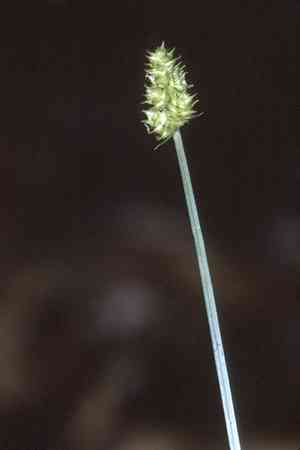
Oval-leaf sedge, a perennial grass-like variety, thrives with infrequent trimming. In early spring, snip off any deceased or discolored leaves to encourage vigorous development. For winter, it's best to cut back any spent flower stalks, if present, to keep the plant looking neat. Consistently taking away old foliage not only enhances its look but also helps prevent infestations and illnesses. Performing these trimming tasks during the plant's dormant and initial growth phases guarantees a full, robust cluster every new season.
What Are the Benefits of Pruning Oval-leaf Sedge?
What Are the Benefits of Pruning Oval-leaf Sedge?
Trimming oval-leaf sedge promotes robust development and helps keep its desired shape. Regular cutting allows for revitalization and maintains the plant's neat and well-formed appearance, ensuring peak health and visual appeal.
What Is the Best Time for Pruning Oval-leaf Sedge?
What Is the Best Time for Pruning Oval-leaf Sedge?
Pruning or trimming oval-leaf sedge in early spring is beneficial as the plant prepares for a new growth cycle. This timing coincides with the start of warmer temperatures, which stimulates new growth, allowing oval-leaf sedge to recover quickly from pruning and direct its energy into producing fresh, healthy foliage. By trimming before the spring growth spurt, dead or damaged foliage is removed, minimizing the risk of disease and pests, and giving the plant a strong start to the season. Alternatively, pruning in winter, when oval-leaf sedge is dormant, is also advantageous. During dormancy, the plant's growth and metabolic activities slow down, reducing the stress caused by pruning. This timing ensures that the plant does not waste reserved energy on parts that will be removed, and it allows for a clear view of the plant's structure, making it easier to decide which parts to prune. Moreover, since oval-leaf sedge does not produce significant flowers or fruits, pruning can be done without affecting its ornamental value during these periods.
What Tools Do I Need to Prune Oval-leaf Sedge?
Sharp Bypass Pruners
Perfect for making clean cuts without harming oval-leaf sedge's foliage. Bypass pruners operate like scissors, offering precision to snip away dead or overgrown leaves.
Garden Scissors
Smaller than pruners, garden scissors provide control for thinning or shaping oval-leaf sedge, especially useful during its active growing season.
Leaf Rakes
Gentle tools that can be used to remove debris without harming oval-leaf sedge. This is important for the plant's health, especially after trimming to maintain a tidy growth area.
Handheld Gardening Shears
Effective for cutting thicker foliage or for large-scale trimming of oval-leaf sedge. Their long blades make it easier to shape the plant uniformly.
How to Prune Oval-leaf Sedge
Disinfect tools
Start by sanitizing pruning tools with a solution of 1 part bleach to 9 parts water to prevent the spread of diseases during pruning.
Identify diseased parts
Examine oval-leaf sedge to locate diseased leaves, evidenced by discoloration, spots, or decay. Similarly, identify withered leaves that appear dry and brown.
Cut diseased leaves
Using the sanitized tools, carefully trim off diseased leaves at the base where they meet the healthy tissue or ground level, avoiding damage to the surrounding foliage.
Cut withered leaves
Remove withered leaves following the same method as diseased leaves, cutting at the base to maintain the aesthetics and health of oval-leaf sedge.
Dispose of debris
Dispose of all clipped diseased and withered leaves away from oval-leaf sedge to reduce the risk of disease spread. Do not compost this material, as it may harbor pathogens.
Common Pruning Mistakes with Oval-leaf Sedge
Overpruning
Removing too much foliage from oval-leaf sedge can weaken the plant, potentially leading to reduced vigor and susceptibility to pests and diseases.
Improper technique
Using dull or dirty tools can damage the stems of oval-leaf sedge, resulting in jagged cuts that are more vulnerable to infection.
Neglecting dead material removal
Failing to remove dead or yellowing leaves from oval-leaf sedge can hinder new growth and make the plant more prone to diseases.
Pruning healthy tissue
Cutting live, healthy foliage unnecessarily can stunt the growth of oval-leaf sedge and prevent the natural, attractive clumping shape from forming.
Common Pruning Tips for Oval-leaf Sedge
Clean tools
Before pruning oval-leaf sedge, ensure pruning tools are clean and sharp to make precise cuts that will heal faster and reduce the risk of disease transmission.
Selective pruning
Prune oval-leaf sedge selectively, removing only dead or damaged tissue to maintain plant health and encourage a natural appearance.
Thinning centers
Thin out the center of oval-leaf sedge clumps if they become too dense, which can improve air circulation and prevent fungal issues.
Post-bloom care
After oval-leaf sedge has bloomed, if at all, remove spent flower stalks to redirect energy back into leaf and root growth.



