How to Transplant Cuckooflower?
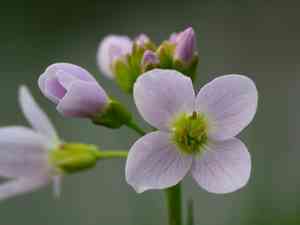
Relocate cuckooflower during the revitalizing period of spring, specifically from early to mid-season. Select areas that are shaded and damp, preferably close to aquatic environments. To ensure a smooth transfer, handle the roots gently to lessen any disruption.
What Preparations are Needed Before Transplanting Cuckooflower?
What is the Ideal Time for Transplanting Cuckooflower?
The optimal period for relocating cuckooflower is during the garden's gentle awakening, from early spring's thaw through late spring's full bloom. This timeframe provides the nurturing warmth and increasing daylight cuckooflower requires to flourish. Moving cuckooflower at this point leverages mild temperatures and moist soil, perfect for root establishment without summer heat stress. A friendly reminder â your cuckooflower will appreciate the smooth transition with vigorous growth and vibrant flowers!
How Much Space Should You Leave Between Cuckooflower Plants?
When arranging your cuckooflowers, ample room is key! Aim for a separation of approximately 6-12 inches (15-30 cm) between each specimen. This breathing space will allow them to grow without competing for nutrients and light.
What is the Best Soil Mix for Cuckooflower Transplanting?
Give your cuckooflowers an excellent start by preparing a comfortable bed with moisture-retentive, well-draining soil. A light scattering of general-purpose fertilizer mixed in provides a nutritious base for your green companions.
Where Should You Relocate Your Cuckooflower?
Your cuckooflowers will thrive in a location with 'sun with some shade'. Select a spot that receives gentle morning sun but is protected from intense afternoon rays, for the healthiest development.
What Equipments Should You Prepare Before Transplantation Cuckooflower?
Gardening Gloves
To safeguard your hands while handling soil and plants.
Trowel
For excavating small cuckooflower plants or creating a planting hole.
Spade or Shovel
Essential for digging up larger cuckooflower plants with a more developed root system.
Watering Can or Hose
To hydrate the cuckooflower plant before and after relocation.
Pruning Shears
For trimming any damaged roots or foliage.
Wheelbarrow or Garden Cart
To move the cuckooflower plant and soil.
Garden Fork
To loosen the soil around the cuckooflower plant's roots.
How Do You Remove Cuckooflower from the Soil?
How Do You Remove Cuckooflower from the Soil?
From Ground: Hydrate your cuckooflower plant to soften the earth. Using a spade or shovel, carefully dig around the plant to avoid harming the root ball. Angle your tool beneath the root ball and gently lift the cuckooflower from the ground.From Pot: Water the cuckooflower thoroughly beforehand. Turn the pot sideways and gently tap it to loosen the plant. Support the cuckooflower plant at its base and carefully slide it out of the pot.From Seedling Tray: Moisten the soil in the tray for easier removal. Use a trowel or your fingers to carefully lift the cuckooflower seedling from its compartment, ensuring the root and soil remain intact.
Step-by-Step Guide for Transplanting Cuckooflower
Preparation
Water the cuckooflower thoroughly before beginning the transplant to ensure hydrated roots. This aids in shock resistance during the move. Prepare the new planting site by loosening the soil. Dig a hole twice the root ball's width to allow for easy placement without root crowding. Remove any stones or debris from the hole that could hinder root growth. Fill the hole with water and let it drain, ensuring the soil is moist for the transplant.
Root Ball Care
Carefully examine the cuckooflower's root ball. Gently untangle any circling roots to encourage outward growth once transplanted. If there are dead or damaged roots, use pruning shears to remove them.
Placing the Plant
Position the cuckooflower into the hole, ensuring the top of the root ball is level with the surrounding ground to promote proper water drainage. When placing the cuckooflower in the hole, gently spread out the roots to allow for expansion and immediate growth into the new area.
Soil Refill
Carefully backfill the hole with the excavated soil, gently pressing it down around the roots to eliminate air pockets. Avoid compacting the soil too firmly, as this can damage roots and impede water penetration.
Watering
Once the cuckooflower is in place and the soil is replaced, water the plant generously at its base to help settle the soil and remove any remaining air pockets. This watering should be thorough so that moisture reaches the deeper roots.
How Do You Care For Cuckooflower After Transplanting?
Mulching
Apply a layer of organic mulch around the base of the cuckooflower, leaving some space around the stem. This will help retain moisture, regulate soil temperature, and reduce weed growth.
Staking
If the cuckooflower is tall or in a windy location, consider staking it for support. Ensure stakes are placed correctly to avoid damaging the root ball and use soft ties to secure the cuckooflower without cutting into the stem.
Monitoring
Keep a close watch on the cuckooflower's health in its new location. Look for signs of stress, such as drooping or discolored leaves, and adjust care as needed.
Gradual Sun Exposure
If the cuckooflower was previously grown in a shadier spot, gradually introduce it to the new lighting conditions to prevent shock. Over one to two weeks, slowly increase the amount of direct sunlight it receives.
Regular Watering
Maintain consistent watering practices, especially during the initial few weeks. The soil should remain moist but not waterlogged to encourage healthy root development.
Troubleshooting Common Issues with Cuckooflower Transplantation.
When is the best time to transplant cuckooflower?
Relocate cuckooflower during the vibrant period of early to late spring, ensuring optimal establishment.
How far apart should I space cuckooflower while transplanting?
Space cuckooflower approximately 6-12 inches (15-30 cm) apart. This provides ample room for growth and air circulation.
Why are my transplanted cuckooflower wilting?
Wilting after transplanting can indicate shock; ensure gentle handling and adequate watering post-move.
What kind of soil is best when transplanting cuckooflower?
Cuckooflower thrives in fertile, moist, yet well-draining soil rich in organic matter for best outcomes.
How much sun should cuckooflower get after transplanting?
Cuckooflower prefers a sunny to partially shaded spot to flourish after transplanting.
Can cuckooflower be planted with other perennials?
Absolutely! Cuckooflower coexists well with other perennials; just consider spacing and companion preferences.
My cuckooflower looks droopy after transplanting, what should I do?
No need to worry! Provide consistent moisture without waterlogging and initial shade from intense sunlight.
How do I prepare the spot for transplanting cuckooflower?
Cuckooflower prospers in prepared soil; loosen the ground and incorporate compost before transplanting.
Is cuckooflower prone to transplant shock?
Like many perennials, cuckooflower can experience shock. Minimize this by transplanting in cool weather and watering in.
Should I fertilize cuckooflower right after transplanting?
Delay fertilization until cuckooflower is established. Afterward, a light application of balanced fertilizer can encourage growth.



