How to Propagate Cuckooflower?
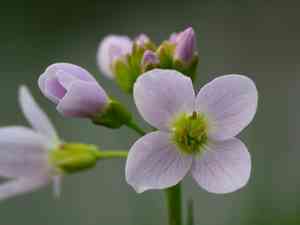
Cardamine pratensis flourishes when reproduced via seeding. For enhanced sprouting success, scatter the seeds directly onto the surface of damp, adequately draining substrate. Maintain consistent moisture in the soil, preventing it from becoming saturated. Since the seeds need light to germinate, refrain from covering them with soil. Careful handling during relocation prevents harm to the fragile root structure, fostering more robust development.
Optimal Period for Cuckooflower Propagation
Propagation Method
Seeding
Propagation Period
Spring
Tools for Cuckooflower Propagation
Seed trays
Seed trays are vital for germinating cuckooflower seeds, offering a controlled setting perfect for sprouting. Their shallow depth and consistent compartment size aid in even moisture and heat distribution, crucial for successful cuckooflower germination.
Peat pots
Peat pots are advantageous for cuckooflower propagation as they minimize root disturbance during transplantation. Since the entire pot can be planted, the delicate root system of cuckooflower remains intact, fostering healthier growth and reducing transplant shock.
Fine mesh sieve
A fine mesh sieve is essential for the initial sowing of cuckooflower seeds. It helps in uniformly spreading fine soil or vermiculite over the seeds, which is especially important for small, light cuckooflower seeds. This ensures good seed-to-soil contact, boosting germination rates.
Misting bottle
A misting bottle is used to gently water cuckooflower seeds after sowing. It provides necessary moisture for germination without dislodging or exposing the seeds, thanks to its fine, gentle spray. This tool helps maintain ideal humidity around the seeds, vital for germination.
Labels and marker pens
Labels and marker pens are crucial for tracking sowing dates and identifying different seedlings, particularly when propagating multiple varieties. Proper labeling aids in accurate monitoring and care of cuckooflower throughout germination and growth.
How to Propagate Cuckooflower?
Propagation Type
Simple
Caring for Newly Propagated Cuckooflower
Caring for Newly Propagated Cuckooflower
Once germinated, thin seedlings to prevent overcrowding and maintain soil moisture. Gradually introduce seedlings to outdoor conditions before moving them to their permanent, moist, partially shaded spot. Regular watering, especially during dry spells, and an annual balanced fertilizer application will support healthy growth.
Common Errors to Avoid When Propagating Cuckooflower
Overwatering
Excessive moisture can cause root rot in cuckooflower, as it prefers damp but well-drained conditions. Overwatering can suffocate roots, hindering proper growth and potentially leading to fungal diseases.
Deep planting
Planting cuckooflower too deep can impede its root development. Cuckooflower needs a shallow planting depth to ensure its delicate roots can easily spread and absorb nutrients effectively.
Ignoring light requirements
Placing cuckooflower in an overly shaded area can result in weak, leggy growth. Cuckooflower thrives in partial shade, but adequate light is crucial for healthy growth and flowering.
Tips for Propagating Cuckooflower
Use fresh seed
For successful propagation, use fresh cuckooflower seeds as their viability diminishes with age. Fresh seeds ensure higher germination rates and more robust initial growth.
Cold stratification
Mimicking winter conditions by chilling cuckooflower seeds can improve germination success. This process breaks seed dormancy, aligning germination with favorable growth conditions.
Maintaining humidity
Keep the environment around newly planted cuckooflower seeds humid to aid germination. Covering the planting area with a plastic sheet or using a humidity dome can create a favorable microclimate for seed germination.



