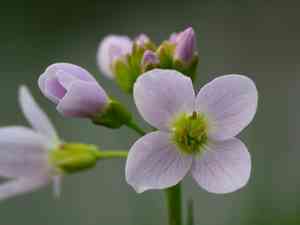
Cuckooflower (Cardamine pratensis)
Also known as: Lady's smock, Whitsuntide gilliflower
Cuckooflower (Cardamine pratensis) is a spring-blooming perennial wildflower that plays a vital role in natural ecosystems. It is a key food source for the larvae of orange-tip and green-veined white butterflies, supporting their life cycle. This plant typically grows in moist environments such as wet meadows, riverbanks, and near ponds and streams. Additionally, folklore suggests that cuckooflower was considered sacred to fairies, and bringing it indoors was believed to bring bad luck.
In This Article
Attributes of Cuckooflower
Lifespan
Perennial
Plant Type
Herb
Plant Height
40 cm to 60 cm
Spread
30 cm
Leaf Color
Green
Flower Size
1 cm to 2 cm
Flower Color
White Pink
Images of Cuckooflower
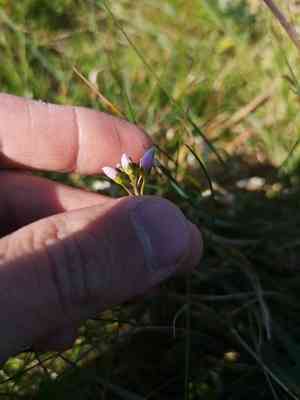
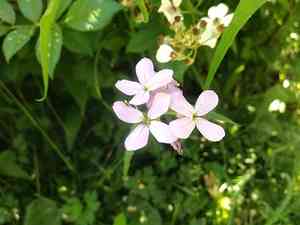
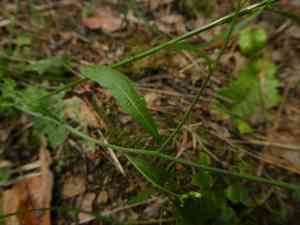
Quickly Identify Cuckooflower
1
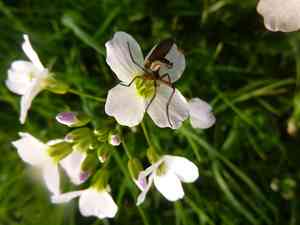
Cardamine pratensis can be identified by its pinnate leaves with round to oval leaflets, and its clusters of four-petaled flowers that range from pale pink to lilac in color. The plant typically grows up to 40-60 cm tall and is found in moist meadows.
Scientific Classification of Cuckooflower
Phylum
Vascular plants
Class
Dicotyledons
Order
Brassicales
Family
Cruciferae
Genus
Bittercresses
Species
Cuckooflower
Planting and Growing of Cuckooflower
Care Difficulty
Easy
Watering Schedule
Every 3 days
Sunlight Requirements
Partial sun
Sunshine Duration
4-6 hours
Ideal Temperature
60-70℉
Soil Type
Potting Mix, Peat Mix
Soil pH
6.5-7.5
Fertilizer Type
Balanced
Pruning Season
Spring, Summer
Pruning Area
Branches, Leaves
Pruning Frequency
Once a year
Repotting Season
Spring
Pot Type
Plastic, Terracotta
 How to Water Cuckooflower?
For Cardamine pratensis, watering should be done with attention to soil moisture. Ideally, soil should be kept consistently moist, like a wrung-out sponge, avoiding waterlogging. Water slowly until the soil is uniformly damp.
What are the symptoms of an underwatered Cuckooflower?
›
What should I do if my Cuckooflower is not getting enough water?
›
What are the symptoms of an overwatered Cuckooflower?
›
How to save an overwatered Cuckooflower?
›
 What Are the Sunlight Requirements for Cuckooflower?
Cardamine pratensis benefits from 4 to 6 hours of sun daily, requiring partial to full sun conditions for thriving. Ideal lighting encourages strong growth and vibrant flowering.
More About Sunlight Requirements Techniques→
What type of light does it prefer?
›
How can you achieve ideal light conditions?
›
Benefits of ideal light exposure?
›
 What Is the Ideal Temperature Range for Cuckooflower?
Cardamine pratensis thrives best in temperatures between 60°F and 70°F. This range ensures optimal growth by providing a stable environment that supports its physiological processes. Keeping the temperature within this range encourages healthy foliage and bloom.
 What Soil is Best for Cuckooflower?
Cardamine pratensis thrives in nutrient-rich soil, which provides it with essential minerals and nutrients necessary for healthy growth. A well-nourished plant displays vibrant foliage and produces an abundance of flowers. This plant prefers consistently moist soil, which ensures that its delicate roots remain hydrated, minimizing the risk of wilting and promoting lush growth. Adequate moisture also encourages robust flowering. Proper drainage is crucial, as it prevents root rot by ensuring excess water does not accumulate around the plant's roots. Well-drained soil promotes healthy root development and allows the plant to establish firmly.
 How to Fertilize Cuckooflower?
For Cardamine pratensis, the amount of fertilizer you apply should be minimal. This plant thrives in nutrient-rich soil but can easily suffer from over-fertilization. Use a liquid fertilizer diluted to one-quarter of the recommended strength to avoid root burn and foliage damage.
 How to Prune Cuckooflower?
To prune Cardamine pratensis effectively, start by removing any dead or yellowed leaves that appear. This usually involves trimming back the older, lower leaves that have begun to degrade. This helps the plant conserve energy and focus on growing new, healthy leaves and flowers. Use sharp, clean scissors or pruning shears to make clean cuts directly above a leaf node, as this will encourage new growth in that area. If you want to see more blooms, you can perform a light deadheading. This means cutting back flower stalks after they have bloomed but before seeds have set. Carefully trim these stalks close to the base of the plant. This action will redirect energy into producing new flower stems rather than seed production, prolonging the flowering period significantly.
More About Pruning Techniques→
 How to Propagate Cuckooflower plant?
1
Ensure the soil is well-draining and enriched with organic matter. Loosen it to a fine tilth, which facilitates root growth for seeds or divisions.
2
Distribute seeds thinly on the surface of the soil in seed trays or directly in the garden. Cover lightly with a layer of fine soil or vermiculite.
3
Carefully dig up a mature plant and separate it into smaller sections, ensuring each division has roots attached. Replant immediately at the same depth as the original plant.
 How to Repot Cuckooflower plant?
1
Look for signs such as roots growing through drainage holes or the plant being root-bound, indicating it needs more space. Active growth periods in spring and autumn are ideal for repotting.
2
Select a pot slightly larger than the current one, with good drainage holes. This helps prevent waterlogging and provides room for growth, encouraging healthier plant development.
3
Opt for a well-draining loamy soil, rich in organic matter. This type of soil supports root development and aeration, providing essential nutrients and preventing root rot.
Learn More About Cuckooflower Diseases
Anthracnose
Bacterial Leaf Spot
Bacterial Soft Rot
Clubroot
Cyst Nematode
Damping-off
Downy Mildew
Drought Stress
Fusarium Wilt
Gray Mold
Leaf Spot
Mosaic
Nutrient Deficiency
Nutrient Toxicity
Powdery Mildew
Root Rot
Root-knot Nematode
Rusts
Sooty Mold
Spider Mites
Temperature Stress
Thrips Damage
White Mold



