The Cuckooflower Plant Advantage: Maximizing Home and Office Appeal and Wellness
1
This flora plays a crucial role in sustaining thriving wetland environments.
2
It provides a vital initial supply of nectar for pollinating insects.
3
Its leaves are recognized as edible, enhancing the dietary worth of your meals.
Why Cuckooflower is Vital for Wetland Ecosystems?
Wildlife sustenance
Cuckooflower plays a key role in sustaining diverse wildlife. Its blossoms offer an early nectar source for bees and butterflies in spring, aiding these crucial pollinators. Furthermore, its presence provides refuge and sustenance for small aquatic organisms, boosting wetland biodiversity.
Water purification
This plant is recognized for its capacity to filter and cleanse water. Growing in wetland zones, Cuckooflower assists in removing pollutants and excess nutrients from water, which can prevent harmful algal blooms and enhance water quality. This makes Cuckooflower an essential element of healthy and balanced aquatic environments.
How Cuckooflower Can Enhance Your Garden or Landscape?
Visual appeal
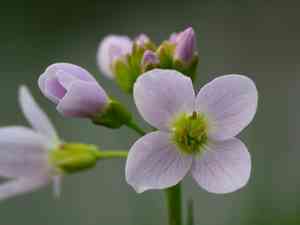
Cuckooflower not only benefits the environment but also adds distinct visual charm to gardens and landscapes. Its delicate, pale lilac flowers and graceful foliage can elevate the beauty of any space. Cultivating Cuckooflower can create a tranquil and picturesque scene that evolves with the seasons, making it a versatile garden addition.
Low maintenance
One of Cuckooflower's most attractive features is its minimal care requirements. This resilient plant can flourish in various soil conditions and doesn't demand intensive upkeep. It also resists pests and diseases, making it an ideal choice for gardeners seeking a beautiful, easy-to-manage landscape.
What Are the Nutritional Advantages of Cuckooflower?
Edible foliage
The leaves of Cuckooflower are not just visually pleasing; they are also edible and nutritious. They can be incorporated into salads, soups, and other dishes, offering a peppery taste akin to watercress. These leaves are rich in vitamins and minerals, providing a healthy supplement to your diet.
Diverse culinary applications
Cuckooflower can be integrated into a broad spectrum of culinary preparations. Whether utilized fresh in salads or cooked in soups, its distinct flavor can enhance various recipes. This adaptability makes Cuckooflower a valuable plant for those keen on exploring novel and wholesome food options.
Cultivating and Caring for Cuckooflower in Your Garden
Optimal growing conditions
Cuckooflower thrives in damp, well-drained soil and is often found near streams, ponds, and wetlands. When planting Cuckooflower in your garden, it's important to replicate these natural conditions to encourage robust growth. Providing ample moisture and a partially shaded spot will help your plants flourish.
Planting and propagation
To begin growing Cuckooflower, you can use seeds or divide existing plants. Sow seeds in early spring or late summer, ensuring they remain moist but not waterlogged. For propagation via division, carefully separate root clumps and replant them in a suitable location. Regular watering and occasional feeding with a balanced fertilizer will promote strong growth and vibrant blooms.



