How Much Sunlight Do Cuckooflower Need?
1
Cuckooflower flourishes optimally with 3-6 hours of direct light each day.
2
Steer clear of intense sun exposure to prevent leaf burn and desiccation in Cuckooflower.
3
Partially shaded environments promote robust development and vivid blooms in Cuckooflower.
Why Is Sunlight Essential for Cuckooflower?
Photosynthesis and Development
Sunlight forms the basis of photosynthesis, the process where Cuckooflower transforms light energy into chemical energy to fuel its growth. Sufficient sunlight ensures the plant has ample energy to develop robust stems, leaves, and roots. Without enough light, Cuckooflower would struggle, leading to stunted development and a lack of vitality.
Blooming and Reproduction
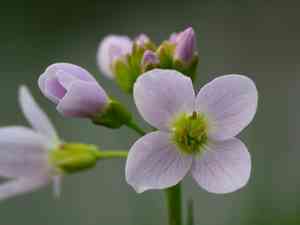
For Cuckooflower, sunlight plays a vital role in its reproductive cycle. Consistent light exposure promotes flowering and seed production. If a Cuckooflower receives the correct amount of sunlight, it will likely produce delicate, pale pink or white blossoms, which are crucial for the plant's life cycle and propagation.
Overall Plant Vigor
Sunlight influences Cuckooflower's overall health. Healthy light exposure boosts the plant's immune system, making it more resilient to pests and diseases. Conversely, a lack of sunlight can make Cuckooflower more vulnerable to stress, weakening its defense against environmental challenges.
Optimal Sunlight Conditions for Cuckooflower
Preferred Light Levels
Cuckooflower thrives in partial sunlight, ideally around 3-6 hours daily. This moderate exposure is enough to meet its photosynthetic needs without causing the stress that can result from excessive sunlight. While it can endure full sun, it's not the best condition for the plant.
Best Planting Locations
To give your Cuckooflower the best chance to flourish, select a spot where it can receive morning sunlight, with some afternoon shade. East-facing areas are often perfect, as they provide gentle, morning rays and shield the plant from the harsher, afternoon sun. Positioning the plant near taller vegetation or structures can offer the necessary dappled light.
Managing Shade and Overexposure
While partial sun is preferred, balancing shade and sunlight is crucial. During the hottest part of the day, providing some shade can prevent leaf scorching. If your Cuckooflower is in an area that gets too much shade, consider moving it or pruning nearby plants to allow more light to penetrate.
How to Monitor and Adjust Sunlight for Cuckooflower
Indicators of Excessive Sunlight
If your Cuckooflower is exposed to too much sunlight, you might observe the edges of leaves becoming crisp or brown. Another sign is wilting or drooping foliage during peak sun hours. These symptoms suggest the plant is stressed from too much light and requires more shade.
Indicators of Insufficient Sunlight
Conversely, inadequate sunlight can cause Cuckooflower to appear leggy, with elongated stems and sparse foliage. The plant may also produce fewer flowers, or the blooms might be smaller and less vibrant. These signs indicate that your plant needs more direct sunlight.
Tools and Methods for Light Adjustment
To ensure your Cuckooflower receives the appropriate amount of sunlight, consider using tools like garden umbrellas, shade cloths, or pruning shears to modify light levels. Reflective materials can help direct more light onto the plant if it's shaded. Regularly observing the plant at different times of day can help you make necessary adjustments.
Common Sunlight-Related Issues and Solutions for Cuckooflower
Sunburn and Scorching
Sunburn and scorching are frequent problems when Cuckooflower is exposed to excessive direct sunlight. To counter this, gradually introduce the plant to more light, or use shade cloths to reduce the intensity of the sunlight. Adequate watering can also help mitigate the effects of intense sunlight.
Leggy Growth
Leggy growth occurs when Cuckooflower stretches towards the light, typically due to insufficient light exposure. To correct this, ensure the plant is placed in a location with consistent, partial sun. Pruning back overgrown branches of nearby plants can help increase light penetration.
Pale or Yellowing Leaves
Pale or yellowing leaves can signal a range of issues, including inadequate sunlight. Verify that your Cuckooflower is receiving the recommended 3-6 hours of daily light. If the problem persists, consider soil and water conditions, as nutrient deficiencies can also cause discoloration.



