How to Prune Cuckooflower?
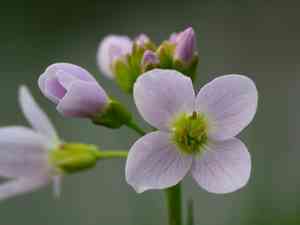
This enduring herbaceous plant flourishes in moist grasslands, displaying blossoms of a lavender hue. For cuckooflower, trim spent blooms after their flowering period to stimulate development and inhibit self-propagation. Shear back following the spring or summer bloom, preserving sound foliage to aid in photosynthesis. Trimming guarantees vigor by fostering fresh shoots and preserving the plant's form. Perform this task with sanitized, keen shears for accurate incisions, encouraging a strong presentation in the subsequent season.
What Are the Benefits of Pruning Cuckooflower?
What Are the Benefits of Pruning Cuckooflower?
Trimming cuckooflower promotes robust development and helps maintain its desired form. Regular cutting encourages a denser look and ensures cuckooflower doesn't exceed its designated planting area.
What Is the Best Time for Pruning Cuckooflower?
What Is the Best Time for Pruning Cuckooflower?
Late spring, following its bloom, is optimal for pruning cuckooflower to direct the plant's energy toward new growth and a neat appearance. This timing allows for the removal of spent flowers, fostering a healthy growth cycle and potentially a second bloom. During early summer, light trimming can boost plant vigor and prevent unwanted seeding. These periods are recommended as they align with cuckooflower's natural growth, avoiding dormancy or initial spring growth, which is vital for establishment and flowering.
What Tools Do I Need to Prune Cuckooflower?
Bypass Pruners
Perfect for making clean cuts on cuckooflower stems without crushing plant tissue, thereby lowering disease risk.
Gardening Scissors
These are suitable for precise trimming of cuckooflower's foliage, maintaining the plant's structure without significant harm.
Small Hand Pruners
Ideal for snipping off spent cuckooflower flowers to encourage more blooms and prevent self-seeding if not desired.
Gloves
Wearing gloves is recommended to protect hands while pruning cuckooflower, ensuring a safer gardening experience.
How to Prune Cuckooflower
Disinfect tools
Before beginning, sanitize all pruning tools with a 1:9 bleach-to-water solution to prevent disease transmission.
Remove diseased leaves
Carefully inspect cuckooflower for any diseased leaves. Use sterilized pruning shears to snip off infected foliage at the leaf stem's base, ensuring healthy tissue remains undamaged.
Trim withered leaves
Identify and remove any withered or dead leaves from cuckooflower at the base of their stems. This promotes healthier growth and improves air circulation around the plant.
Cut diseased stems
Locate any cuckooflower stems showing disease signs. Cut these back to healthy tissue, making an angled cut to allow water runoff and prevent rot.
Cleanup
Dispose of all removed diseased leaves and stems far from healthy plants to minimize disease spread. Clean pruning tools again after use.
Common Pruning Mistakes with Cuckooflower
Overpruning
Cutting back cuckooflower too much can stress the plant and reduce its vitality. It's crucial to prune only enough to shape the plant and remove dead or diseased foliage.
Incorrect cuts
Making cuts too close to the main stem or leaving too long a stub can increase disease and pest risk. Clean, angled cuts are vital for proper healing.
Neglecting to disinfect tools
Not sanitizing pruning tools before use can spread diseases between plants. Always clean tools before and after use to maintain plant health.
Uneven pruning
Pruning cuckooflower unevenly or too severely on one side can lead to lopsided growth and reduced aesthetic appeal. Achieve balance by following the plant's natural shape.
Common Pruning Tips for Cuckooflower
Clean cuts
Use sharp, clean shears for precise cuts, which help cuckooflower recover quickly and maintain a neat appearance.
Remove dead foliage
Regularly removing dead or yellowing leaves from cuckooflower will improve air circulation and prevent potential disease spread, contributing to a healthier plant.
Prune after flowering
Although the exact season isn't specified, pruning cuckooflower after it has flowered allows you to cut back without sacrificing blooming potential for the following season.
Shape naturally
When pruning cuckooflower, follow its natural growth habit to encourage a more pleasing and healthy form without forcing it into an unnatural shape.



