How to Transplant Cutleaf toothwort?
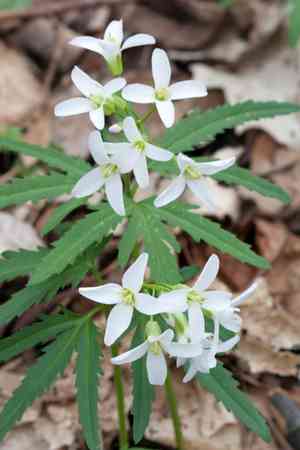
For cutleaf toothwort, the ideal period for transplanting is the transition from late spring to early summer, capitalizing on vigorous development. Place them in filtered sunlight, making sure the substrate stays damp. A helpful tip: handle the root system delicately to facilitate a smooth establishment.
What Preparations are Needed Before Transplanting Cutleaf Toothwort?
What is the Ideal Time for Transplanting Cutleaf Toothwort?
The optimal period to relocate cutleaf toothwort is when late spring transitions into early summer, providing ideal weather conditions. Moving cutleaf toothwort during this timeframe maximizes root establishment before the intense summer heat and benefits from increased daylight and moderate temperatures, which can help ensure successful growth. By selecting this prime window, you are offering cutleaf toothwort a gentle environment to flourish, leading to robust and vigorous development throughout the growing season.
How Much Space Should You Leave Between Cutleaf Toothwort Plants?
A friendly reminder: Ensure adequate spacing between each cutleaf toothwort plant. Ideally, they should be approximately 1 foot (30cm) apart. This will provide sufficient room for root development and maintain plant health!
What is the Best Soil Mix for Cutleaf Toothwort Transplanting?
The cutleaf toothwort plant thrives in well-drained, fertile soil. Incorporate a foundational fertilizer of compost or organic matter to enrich the soil prior to transplanting. This provides your plant with essential nutritional support for strong growth!
Where Should You Relocate Your Cutleaf Toothwort?
Choose a location that receives partial sunlight for optimal results. The cutleaf toothwort plant enjoys some sun, but not an excessive amount! Find a spot where it can receive direct sunlight for 3-4 hours daily.
What Equipments Should You Prepare Before Transplantation Cutleaf Toothwort?
Gardening Gloves
To safeguard your hands while handling the soil and plant material.
Shovel or Spade
Essential for excavating a hole in the ground to transplant the cutleaf toothwort.
Watering Can
For hydrating the soil both before and after the transplanting process.
Compost
To supply nutrients for the cutleaf toothwort in its new growing location.
Tarp or Bucket
To safely move the cutleaf toothwort from its original spot to its new one without harming the root ball.
How Do You Remove Cutleaf Toothwort from the Soil?
How Do You Remove Cutleaf Toothwort from the Soil?
From Ground: Start by watering the cutleaf toothwort plant to make the soil more manageable. Then, dig a wide trench around the plant using your shovel or spade, making sure to keep the cutleaf toothwort's root ball intact. Carefully work your spade beneath the root ball, then gently lift the plant from its initial position.From Pot: Water the cutleaf toothwort thoroughly, then carefully tip the pot sideways, applying gentle pressure to the container. The moist soil and the cutleaf toothwort should slide out as a whole. Be sure to handle the plant by its root ball to prevent stem damage.From Seedling Tray: Once the cutleaf toothwort has developed a robust root system, it is ready for transplanting. Lightly water the seedling tray, then use a small spoon or fork to carefully ease out the seedling, taking care not to harm its roots.
Step-by-Step Guide for Transplanting Cutleaf Toothwort
Preparation
After selecting your site, you'll need to dig a hole for the cutleaf toothwort that is sufficiently wide and deep to accommodate its root ball. Then, add a small scoop of compost to the bottom of the hole.
Transplanting
Next, carefully place the cutleaf toothwort into its new hole. The top of the root ball should be level with the soil surface. Backfill around the cutleaf toothwort with soil, gently firming it with your hands as you go to eliminate air pockets.
Watering
Once the cutleaf toothwort is planted, water around the base of the plant to help settle the soil, but remember to avoid wetting the leaves and stem.
Maintenance
Regularly inspect the cutleaf toothwort to ensure it is adapting well to its new environment. You may need to provide support if the plant is leaning or drooping.
How Do You Care For Cutleaf Toothwort After Transplanting?
Mulching
Apply a layer of organic mulch around the cutleaf toothwort to help retain moisture and maintain a consistent soil temperature.
Pruning
Remove any dead or damaged leaves to ensure the cutleaf toothwort's energy is directed towards developing strong roots, rather than repairing compromised parts.
Watering
Even though we're skipping locations and sunlight, remember that watering in the initial weeks after transplanting is vital, so keep the soil consistently moist, but not waterlogged.
Monitoring
Watch for any indications of transplant shock, such as drooping or wilting leaves, and adjust your care as needed.
Troubleshooting Common Issues with Cutleaf Toothwort Transplantation.
When is the best time to transplant cutleaf toothwort?
The optimal period to transplant cutleaf toothwort is during the late summer to autumn season, also referred to as S3-S4.
What is an appropriate distance between cutleaf toothwort plants?
Aim for a spacing of about 1 foot (approximately 30 cm) between cutleaf toothwort plants to promote healthier growth.
Should I water cutleaf toothwort immediately after transplanting?
Yes, it's crucial to water cutleaf toothwort immediately after transplanting. This helps it to settle into the new location and reduce shock.
How deep should cutleaf toothwort be planted?
Cutleaf toothwort should be planted as deep as the root ball. Make sure the top of the root ball is level with the surrounding soil.
In what type of soil does cutleaf toothwort thrive best?
Cutleaf toothwort thrives best in well-drained soil, preferably loamy or sandy. Avoid planting it in overly moist or poorly drained soils.
What happens if cutleaf toothwort shows yellowing leaves after transplanting?
If cutleaf toothwort shows yellowing leaves after transplanting, it may be a sign of stress or shock. Make sure it's receiving the right amount of water and is not exposed to harsh environmental conditions.
How to ensure cutleaf toothwort works well with surrounding plants?
Cutleaf toothwort works best with plants that have similar light and water requirements. Avoid pairing them with aggressive species that may overshadow or outcompete them.
What should I do if cutleaf toothwort isn't thriving even after proper transplanting?
If cutleaf toothwort isn't thriving, triple-check your watering, sunlight, and soil conditions. It's also a good idea to test your soil's pH level, as cutleaf toothwort prefers a slightly acidic to neutral soil.
How soon can I expect growth after transplanting cutleaf toothwort?
After transplanting cutleaf toothwort, initial signs of growth should be noticeable within a few weeks. Be patient, as the plant is recovering from the shock of transplantation.
Can I use fertilizer right after transplanting cutleaf toothwort?
It's advisable to wait a few weeks after transplanting before applying fertilizer. This allows cutleaf toothwort to adapt to the new environment without the stress of additional nutrient intake.



