How to Propagate Cutleaf toothwort?
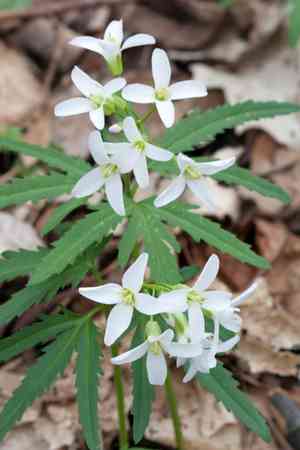
Cutleaf toothwort is best multiplied by dividing its rootstock in the Spring and Autumn seasons. Its propagation method is quite straightforward. Thriving, strong new growths signify successful propagation. Verify that the detached sections possess an adequate root structure.
What Is the Best Time To Propagate Cutleaf Toothwort?
Propagation Type
Separation
Propagation Season
Spring, Autumn
What Tools Are Used in Cutleaf Toothwort Propagation?
Sharp Garden Knife or Spade
A keen knife or spade is vital for splitting cutleaf toothwort at the root level. This implement enables the propagator to carefully separate the rhizomes or clumps without causing undue harm. A clean cut is key to minimizing disease risk and encouraging faster recovery and growth at the separation points.
Gardening Gloves
Gloves safeguard the propagator's hands when handling cutleaf toothwort, protecting skin from cuts and potential irritants in the soil. They also lessen the chance of transmitting pathogens to the plant through direct contact.
Sterilizing Solution
Tools should be disinfected prior to use to prevent disease spread. Employing a solution such as rubbing alcohol or a 10% bleach solution will sanitize tools, significantly reducing the potential for introducing harmful bacteria or fungi that could jeopardize the health and viability of cutleaf toothwort.
Watering Can with a Gentle Spray
Following division, the newly propagated cutleaf toothwort will require gentle watering. A watering can equipped with a soft spray option is crucial to ensure the plant is not overwhelmed by water and that the soil remains moist without causing erosion or displacement of the delicate, freshly planted divisions.
Rooting Hormone
This is frequently utilized to encourage root development in cuttings, but can also benefit divided plants by stimulating root growth at the cut surfaces. This is particularly helpful for cutleaf toothwort to ensure robust establishment and to enhance the survival rate of new propagules.
Plant Labels and Marker
It's important to keep track of the propagated cutleaf toothwort with labels, especially if managing multiple subdivided plants. Labels should be waterproof and durable, and used in conjunction with a permanent marker to note the date of propagation and any other pertinent information.
Loose, Well-Draining Potting Mix
A suitable potting medium supports the health of cutleaf toothwort by providing the necessary drainage and aeration to the roots. This helps prevent root rot and other moisture-related issues, which is vital when propagating plants through division.
How to Propagate Cutleaf Toothwort?
Propagation Type
Division
Difficulty Level
Simple
How to Care for Your Newly Propagated Cutleaf Toothwort?
How to Care for Your Newly Propagated Cutleaf Toothwort?
After propagating cutleaf toothwort, maintain consistent moisture, especially during the initial growing season, to ensure successful establishment. Position the cutleaf toothwort in partial shade as this plant prefers a woodland setting. Monitor for signs of pests or diseases, and take appropriate action if needed. Minimize soil disturbance around cutleaf toothwort to avoid damaging shallow roots. Fertilization is generally not required if planted in rich, well-draining soil. As a spring ephemeral, cutleaf toothwort will naturally die back in summer, so no extra winter care is necessary.
Common Mistakes to Avoid When Propagating Cutleaf Toothwort
Overwatering
Watering cutleaf toothwort too often can lead to root rot due to their preference for well-drained soil. Excessive moisture around the roots can be harmful, hindering growth and potentially causing plant death.
Planting depth
Planting cutleaf toothwort's rhizomes too deep can impede their development. Shallow planting ensures that the delicate rhizomes are not suffocated and can multiply correctly.
Soil choice
Using the incorrect type of soil can impact cutleaf toothwort's health. This species thrives in soil rich in organic matter, and using soil that lacks nutrients or proper texture might limit plant vigor and flourishing.
Handling of rhizomes
Rough handling or breaking of cutleaf toothwort's rhizomes during division can introduce disease or damage the plant's ability to establish and grow. Care must be taken to preserve the integrity of the rhizomes.
Tips For Propagating Cutleaf Toothwort
Rhizome division
Carefully divide cutleaf toothwort's rhizomes to propagate the plant. It's essential to ensure that each division has at least one growth bud to successfully grow into a new plant.
Moisture control
Maintain consistent moisture levels without waterlogging the soil. This balance promotes healthy root development while preventing the rot that can occur in overly wet conditions.
Soil preparation
Prepare the soil properly by incorporating ample organic matter before planting. This provides the nutrient-rich and well-draining environment cutleaf toothwort needs to thrive.
Gentle handling
Handle the rhizomes of cutleaf toothwort with care during division and planting to avoid bruising or damaging them. This care reduces stress on the plant, promoting better regrowth and establishment.



