The Cutleaf toothwort Plant Advantage: Maximizing Home and Office Appeal and Wellness
1
Cutleaf toothwort is recognized for drawing in helpful pollinators such as bees and butterflies.
2
The foliage and underground parts of Cutleaf toothwort have historically been utilized in cooking.
3
Its existence can greatly improve the soil's condition and the variety of life in your garden.
What Makes Cutleaf toothwort Unique?
Ecological Contributions
A primary advantage of Cutleaf toothwort is its function in bolstering local ecosystems. This flora offers a vital source of nectar and pollen for various pollinators, including bees and butterflies. By drawing in these beneficial insects, Cutleaf toothwort aids in sustaining pollinator populations, which are crucial for the fertilization of numerous plants. Moreover, its presence can boost garden biodiversity, fostering a more robust and resilient ecosystem.
Culinary Applications
Cutleaf toothwort is not merely an ecological asset; it also possesses culinary merit. Its young leaves can be incorporated into salads, imparting a piquant flavor that many find enjoyable. Furthermore, the roots of Cutleaf toothwort have a radish-like taste and can be utilized in diverse dishes. Including Cutleaf toothwort in your diet can offer a distinctive gastronomic experience while allowing you to savor the advantages of consuming fresh, indigenous plants.
How Can Cutleaf toothwort Enhance Soil Quality?
Organic Matter Contribution
Another notable advantage of Cutleaf toothwort is its capacity to improve soil health. This plant introduces organic matter to the soil through leaf litter, thereby enhancing soil structure and fertility. The decomposing plant material boosts the soil's ability to retain water and nutrients, making it more favorable for plant growth.
Soil Biodiversity
The roots of Cutleaf toothwort interact with soil microorganisms, fostering a varied microbial community. This augmented soil biodiversity can increase nutrient availability for other plants in the vicinity, promoting healthier and more productive gardens. By incorporating Cutleaf toothwort into your garden, you can establish a more balanced and nutrient-rich soil environment.
Can Cutleaf toothwort Be Utilized in Landscaping?
Aesthetic Appeal
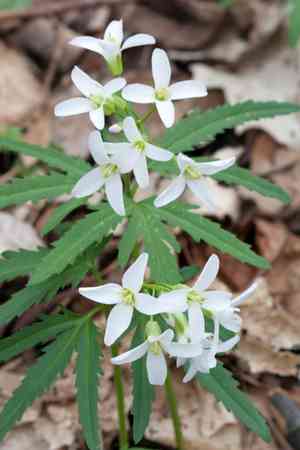
Beyond its practical advantages, Cutleaf toothwort also adds visual charm to any garden or landscape. With its distinctively shaped leaves and delicate white blossoms, it provides an attractive addition to garden beds and naturalized areas. The plant's subtle yet striking appearance makes it a versatile option for various landscaping styles, from formal gardens to wildflower meadows.
Low Maintenance
One of the most appealing aspects of employing Cutleaf toothwort in landscaping is its minimal upkeep requirements. This plant is well-adapted to local conditions, needing little care once established. It is drought-tolerant and can thrive in diverse soil types, making it an ideal choice for gardeners seeking a beautiful yet easy-to-manage plant.
Is Cutleaf toothwort Beneficial for Wildlife?
Support for Native Species
Finally, Cutleaf toothwort plays a vital role in supporting local wildlife. Beyond aiding pollinators, it also provides habitat and sustenance for various other species. Small mammals and birds may use Cutleaf toothwort for shelter or nesting material. The seeds and foliage can serve as food sources for these animals, transforming your garden into a haven for wildlife.
Biodiversity Enhancement
By cultivating Cutleaf toothwort, you contribute to boosting overall biodiversity. A diverse garden is not only more resistant to pests and diseases but also provides multiple ecosystem services. These include pest control by attracting predatory insects and improved pollination rates for other plants in your garden. Thus, Cutleaf toothwort acts as a keystone species in fostering a healthy, balanced garden ecosystem.



