How Much Sunlight Do Cutleaf toothwort Need?
1
Cutleaf toothwort flourishes optimally in areas receiving partial sunlight, approximately 3-6 hours daily.
2
The plant is adaptable to complete shade, offering flexibility for diverse garden placements.
3
Employing shade covers can assist in regulating intense sun exposure during the height of summer.
Grasping the Light Needs of Cutleaf Toothwort
Native Environment and Light Exposure
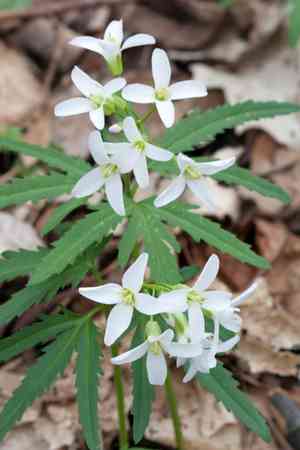
Cutleaf toothwort, a delicate bloomer, originates from North American forests. In its natural setting, it thrives beneath the filtered light of deciduous tree canopies. This provides an ideal light-shade balance, particularly in early spring before full leaf-out, allowing more light to reach the forest floor.
Preferred Light Conditions
Cutleaf toothwort favors partial sun, meaning roughly 3-6 hours of daily sunlight. While it tolerates full shade, some direct sun can boost its growth and flowering. Morning and late afternoon sun are especially beneficial, being less intense than midday sun and reducing leaf scorch risk.
Optimal Light Duration for Cutleaf Toothwort
Daily Light Requirements
For best development, Cutleaf toothwort needs about 3-6 hours of daily sunlight. This partial light aids efficient photosynthesis while preventing stress from excessive heat. Morning light is perfect, being gentle and initiating the plant's photosynthetic processes without harming its delicate leaves.
Seasonal Light Fluctuations
During spring and autumn, with the sun lower, Cutleaf toothwort gets ample light through the thinning canopy. However, in summer, it might need extra shade to guard against intense midday sun. In winter, it enters dormancy, so reduced light has no negative impact.
Indicators of Insufficient and Excessive Light
Too little sunlight for Cutleaf toothwort can lead to stunted growth, fewer flowers, and pale foliage. Conversely, too much sun can cause leaf burn, wilting, and browning edges. Observing these signs helps in adjusting its placement as needed.
Positioning Cutleaf Toothwort for Peak Growth
Best Spots in Your Garden or Home
To best replicate its natural habitat, consider planting Cutleaf toothwort where it gets morning sun and afternoon shade. Ideal spots include woodland edges, alongside hedges, or among taller plants providing partial shade. Indoors, place it near an east-facing window for soft morning rays.
Adjusting Placement Due to Light Changes
As seasons shift, so do the sun's angle and intensity. Be ready to reposition your Cutleaf toothwort accordingly. In summer, use shade cloths or move potted plants to shadier areas to shield them from harsh sun. Similarly, in early spring, ensure they receive enough light before trees fully leaf out.
Further Advice for Managing Light Levels
Employing Shade Cloths or Screens
Using shade cloths or garden screens can help regulate the amount of sunlight Cutleaf toothwort receives, especially during peak summer. These tools create a controlled environment, ensuring the plant gets enough shade to prevent leaf burn while still allowing sufficient light for healthy growth.
Monitoring Light with Devices and Technology
Modern gardening tools and tech, like light meters and smartphone apps, can help you precisely track light exposure. These tools assist in monitoring the amount and duration of light your Cutleaf toothwort receives, enabling informed decisions about its placement and care.



