How to Overwinter Cutleaf toothwort
1
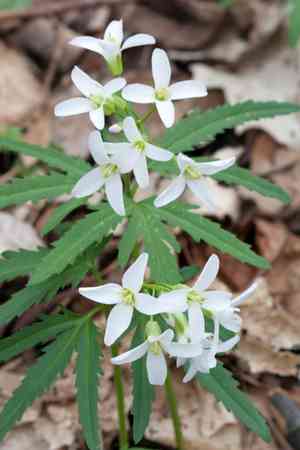
Cardamine concatenata is a perennial plant resistant to frost, flourishing well both indoors and outdoors.
2
Adequate mulching and soil conditioning are crucial for safeguarding Cardamine concatenata throughout the chilly winter period.
3
Consistent observation and adaptation of care routines will maintain the plant's vitality and strength during winter.
Understanding Cutleaf toothwort and Its Frost Hardiness
Understanding Cutleaf toothwort and Its Frost Hardiness
The Cutleaf toothwort (Cardamine concatenata) is a robust perennial recognized for its delicate, deeply lobed foliage and charming white blooms. Indigenous to North America, it is well-adapted to endure cold temperatures, making it sufficiently hardy to thrive in USDA hardiness zones 4 to 8. This plant enters dormancy in winter, conserving energy for the subsequent growing season. Comprehending its frost tolerance is vital for ensuring its survival and optimal health during colder periods.
What are the Ideal Conditions for Overwintering Cutleaf toothwort?
Soil Preparation
For optimal overwintering, begin with soil preparation. Cutleaf toothwort prefers well-draining soil rich in organic matter. Before the initial frost, amend the soil with compost or leaf mold to enhance its structure and nutrient content. Maintain a slightly acidic pH (approximately 6.0 to 7.0), as this plant flourishes in such conditions. Proper soil preparation aids in moisture retention and provides essential nutrients even during dormancy.
Moisture Requirements
Cutleaf toothwort requires consistent moisture, but the soil should not be waterlogged. During winter, natural precipitation typically suffices, but in exceptionally dry periods, lightly water the plantâaround 2.5 centimeters (1 inch) of water weekly. Appropriate mulching can help retain soil moisture and prevent fluctuations. Avoid overwatering, as it can lead to root rot, especially during the dormant phase.
Light Conditions
This plant thrives in partial to full shade, mimicking its natural environment beneath deciduous trees. During winter, ensure that Cutleaf toothwort is not exposed to direct sunlight for extended durations, as the sun can harm its dormant foliage. If overwintering indoors, position the plant in a north-facing window or any location where it can receive diffused light.
How to Prepare Cutleaf toothwort for Winter
Mulching Techniques
Mulching is a crucial step in preparing Cutleaf toothwort for winter. Apply a thick layer of organic mulch, such as shredded leaves, straw, or wood chips, around the plant's base. Aim for a depth of 5-10 centimeters (2-4 inches). This insulating layer helps protect roots from temperature fluctuations, retains moisture, and adds organic matter to the soil as it decomposes.
Pruning Guidelines
Pruning is generally not required for Cutleaf toothwort, but removing any dead or diseased foliage can help prevent pests and diseases. After the plant enters dormancy in late fall, trim back any remaining stems to the ground. This step ensures the plant can focus all its energy on root development during the winter months.
Monitoring Cutleaf toothwort During Winter
Checking Soil Moisture
Throughout winter, periodically check the soil moisture level. While the plant needs less water during dormancy, itâs crucial to prevent the soil from becoming completely dry. Insert your finger into the soil to assess moisture levels. If it feels dry to the touch, water the plant lightly. Remember, the aim is to maintain slight moisture without over-saturating the soil.
Protecting Against Extreme Weather
Be diligent about protecting Cutleaf toothwort from extreme winter weather. In instances of severe frost or snowfall, consider adding an extra layer of mulch or using a frost cloth to cover the plant. This additional protection can shield it from harsh conditions and prevent frost heave, which can dislodge the plant from the soil.
Post-Winter Care for Cutleaf toothwort
Removing Mulch and Debris
As the weather warms and the risk of frost subsides, gradually remove the winter mulch layer. This helps prevent fungal issues and allows the soil to warm up faster, encouraging new growth. Clear away any debris that may have accumulated around the plant's base during winter.
Inspecting for Damage
Once the winter season concludes, thoroughly inspect Cutleaf toothwort for any signs of damage or disease. Look for discolored or wilted leaves and stems. If you observe any issues, trim the affected areas with clean, sharp tools to prevent disease spread.
Gradual Reintroduction to Regular Care
Reintroduce Cutleaf toothwort to its regular care routine gradually. Begin by increasing watering frequency as the plant starts to show new growth. If you moved the plant indoors during winter, slowly acclimatize it to outdoor conditions by exposing it to direct sunlight and outdoor temperatures in small increments. Resume regular fertilization schedules to support vigorous growth throughout spring and summer.



