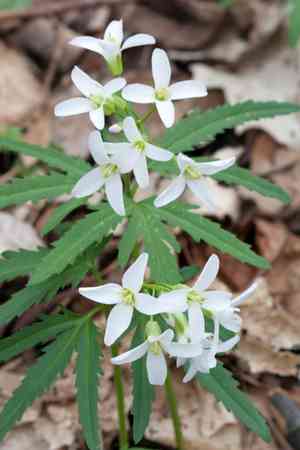
Cutleaf toothwort (Cardamine concatenata)
Also known as: Purple-flowered toothwort, Cutleaved toothwort
Cutleaf toothwort (Cardamine concatenata) is a perennial wildflower known for drawing bees, butterflies, caterpillars, and other insects due to its sweet nectar. It spreads using both rhizomes and seeds. The plant's name is derived from its unique tooth-shaped rhizomes, which are edible and possess a peppery flavor, making them a zesty addition to salads and various dishes.
In This Article
Attributes of Cutleaf toothwort
Lifespan
Perennial
Plant Type
Herb
Plant Height
20 cm to 41 cm
Spread
20 cm to 30 cm
Leaf Color
Green Silver Gray
Flower Size
2.5 cm
Flower Color
White Pink Purple
Images of Cutleaf toothwort
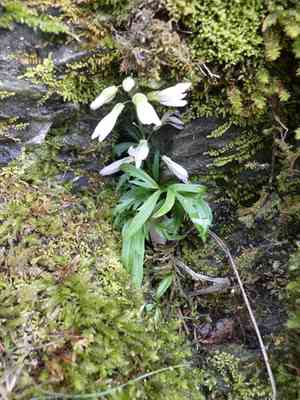
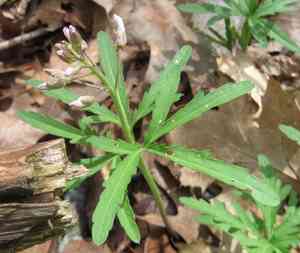
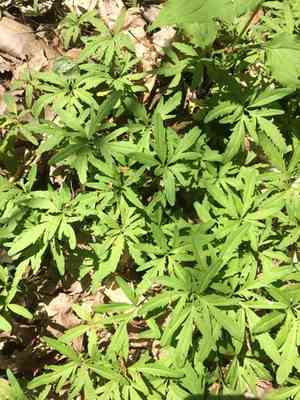
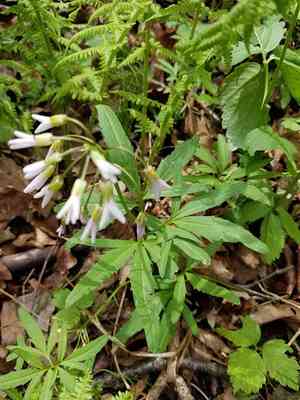
Quickly Identify Cutleaf toothwort
1
Compound leaves divided into three, creating a lacy undergrowth.
2
Terminal clusters of white flowers with cross-shaped petals in spring.
3
Slender siliques with small, brown, flat seeds and distinct pod structure.
4
Whorl of three lance-shaped, toothed leaves with yellowing before dormancy.
5
Erect, unbranched stem with distinctive whorl of leaves and smooth to slightly hairy texture.
Scientific Classification of Cutleaf toothwort
Phylum
Vascular plants
Class
Dicotyledons
Order
Brassicales
Family
Cruciferae
Genus
Bittercresses
Species
Cutleaf toothwort
Planting and Growing of Cutleaf toothwort
Care Difficulty
Easy
Watering Schedule
Every 2 days
Sunlight Requirements
Partial sun
Sunshine Duration
4-8 hours
Ideal Temperature
60-75℉
Soil Type
Potting Mix, Peat Mix
Soil pH
6.5-7.5
Fertilizer Type
Balanced
Pruning Season
Spring, Summer
Pruning Area
Branches, Leaves
Pruning Frequency
2 times a year
Repotting Season
Spring
Pot Type
Plastic, Ceramic
 How to Water Cutleaf toothwort?
For Cardamine concatenata, the watering amount is crucial to keep the soil consistently moist but not saturated. Aim to water about 250 milliliters each time, ensuring that the upper soil layer remains damp but not waterlogged. It's essential to adjust the amount based on environmental conditions such as humidity and temperature, as the plant prefers well-drained soil conditions to thrive.
What are the symptoms of an underwatered Cutleaf toothwort?
›
What should I do if my Cutleaf toothwort is not getting enough water?
›
What are the symptoms of an overwatered Cutleaf toothwort?
›
How to save an overwatered Cutleaf toothwort?
›
 What Are the Sunlight Requirements for Cutleaf toothwort?
Cardamine concatenata excels under partial sun exposure, mimicking its natural environment. Ideal light conditions foster lush growth and prolific flowering, essential for its complete life cycle.
More About Sunlight Requirements Techniques→
How much sunlight is optimal?
›
What steps to achieve ideal lighting?
›
Benefits of ideal lighting?
›
 What Is the Ideal Temperature Range for Cutleaf toothwort?
Cardamine concatenata thrives best in temperatures ranging from 60°F to 75°F. This range provides optimal conditions for growth, including proper enzyme activity and cellular processes. Maintaining this temperature range ensures vigorous growth and keeps the plant's metabolism at a balanced state.
 What Soil is Best for Cutleaf toothwort?
Cardamine concatenata thrives in well-drained soils that help prevent root rot and ensure healthy growth. Offering proper drainage ensures the plant can access moisture without sitting in waterlogged conditions, promoting vibrant foliage. This plant prefers soils rich in organic matter. High nutrient content supports robust growth and flowering. Amending the soil with compost can create a fertile environment that enhances its ornamental appeal. Loam and sandy loam soils provide a perfect balance between moisture retention and air circulation. This balance ensures that the roots stay hydrated without becoming soggy, supporting the plant’s resilience and long-term health.
 How to Fertilize Cutleaf toothwort?
Cardamine concatenata thrives with a balanced approach to fertilization. During the growth season, use a balanced 10-10-10 liquid fertilizer solution at half strength. Avoid over-fertilizing as this can harm the plant's delicate roots and compromise its natural growth cycle.
 How to Prune Cutleaf toothwort?
Begin by removing any dead or damaged stems and leaves. This will help improve air circulation and reduce the risk of pest infestation or disease. Dead material can usually be identified by its lack of color and rigidity. Carefully cut back to the live, healthy tissue. To maintain an aesthetically pleasing shape, selectively cut back overly long or misaligned stems. Cardamine concatenata benefits from a natural look, so aim for a gently rounded form that gives plenty of space for new growth. Avoid drastic cuts that could stress the plant.
More About Pruning Techniques→
 How to Propagate Cutleaf toothwort plant?
1
Ensure the soil is well-drained and rich in organic matter. Preparing the soil involves loosening it and adding compost to enhance nutrient availability for the plants. This step is critical to encourage healthy growth and prevent waterlogging.
2
Sow the seeds at a shallow depth, barely covering them with soil. Ensure they are spaced adequately to allow for growth. Keep the soil consistently moist but not waterlogged until germination occurs. Proper spacing and moisture are essential for successful seed propagation.
3
When the plant is mature, divide the root clumps carefully using a spade or sharp knife. Ensure each division has a healthy root system. Replant immediately to prevent drying out, and water thoroughly to help the new plants establish.
 How to Repot Cutleaf toothwort plant?
1
Cardamine concatenata should be repotted when you notice roots escaping through the drainage holes or when the plant's growth noticeably slows. These signs indicate it's time for a larger space to accommodate its expanding root system.
2
For Cardamine concatenata, select a pot that is at least one size larger than its current one, ensuring it has good drainage holes. A slightly bigger pot encourages moderate growth without the risk of waterlogging, essential for maintaining healthy roots.
3
Opt for a well-draining loamy mix. This type of soil will balance moisture retention and drainage, thus preventing root rot while providing adequate support and nutrition for the plant's growth.



