How to Transplant Pepper?
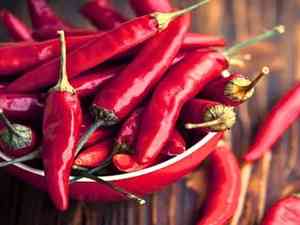
Relocate pepper plants in the pleasant warmth of mid-spring, a perfect period for their development. Select a bright spot with soil that drains effectively to achieve optimal outcomes. Ensure sufficient spacing between plants and provide water promptly following their transfer.
What Preparations are Needed Before Transplanting Pepper?
What is the Ideal Time for Transplanting Pepper?
The optimal period for relocating pepper is from early to late spring. This timeframe offers prime growing conditions, ensuring vigorous development and a successful yield. Moving pepper during this season maximizes its potential for healthy plants.
How Much Space Should You Leave Between Pepper Plants?
For relocating your beloved pepper, aim to provide them with adequate room to flourish by spacing them approximately 1-2 feet (30-60 cm) apart. This will allow the plants sufficient space for improved air circulation and growth.
What is the Best Soil Mix for Pepper Transplanting?
To prepare the perfect environment for your pepper, utilize well-draining soil rich in organic matter. You can incorporate compost or aged manure as a foundational fertilizer to boost the soil's nutrients and fertility.
Where Should You Relocate Your Pepper?
Ensure you select a sunny location for your pepper! These plants thrive in full sunlight, so find a spot that receives at least 6-8 hours of direct sun daily. This will undoubtedly make your pepper content and flourishing!
What Equipments Should You Prepare Before Transplantation Pepper?
Gardening Gloves
To safeguard your hands while handling soil and the pepper plant.
Trowel
To excavate holes for relocating the pepper and to assist in removing seedlings from their containers.
Shovel or Garden Spade
For digging larger holes if moving pepper from the ground or bigger pots.
Watering Can or Hose
To hydrate the pepper before and after relocation.
Pruner or Scissors
To trim any damaged roots or foliage during the relocation process.
Garden Stakes, Tomato Cage or Plant Support
To offer support and stability for the pepper as they mature.
How Do You Remove Pepper from the Soil?
How Do You Remove Pepper from the Soil?
- From Ground:First, moisten the pepper plant to dampen the soil. Then, excavate a wide trench around the plant using a shovel or spade, ensuring the plant's root ball remains intact. Carefully work the spade beneath the root ball to lift the plant from its original spot.- From Pot:Thoroughly water the pepper plant to moisten the soil. Incline the pot on its side and gently tap the base to dislodge the plant. Carefully slide the plant out of the pot, endeavoring to retain as much soil around the roots as possible.- From Seedling Tray:Water the pepper seedlings to moisten the soil. Use a trowel or your fingers to gently loosen the soil around the roots of each seedling, taking care not to harm the roots. Gently lift the seedling out of the tray, holding it by its leaves, not by the stem.
Step-by-Step Guide for Transplanting Pepper
Harden Off
Gradually acclimate the pepper seedlings to outdoor conditions for 7-10 days prior to relocation. Begin with a few hours of indirect sunlight, progressively increasing to direct sunlight, and then to outdoor overnight temperatures.
Digging Holes
Excavate a hole for each pepper using a trowel, ensuring the hole is slightly larger than the root ball or pot size of the plant.
Plant Placement
Gently position the pepper in the hole, orienting the plant so the top of the root ball is level with the surrounding soil. If relocating seedlings, bury them slightly deeper than they were in the seedling tray.
Filling In
Carefully backfill the hole around the pepper, using soil to cover the roots and firmly compact the soil to eliminate air pockets.
Watering
Generously irrigate the pepper immediately after relocation to settle the soil and aid in establishing the plant in its new location.
Staking
If necessary, provide support to the pepper using garden stakes, tomato cages, or other plant supports. Attach the plant loosely to the support to prevent stem damage.
How Do You Care For Pepper After Transplanting?
Watering
Keep the soil around the pepper consistently moist but not waterlogged for the initial few weeks post-relocation to help establish robust roots.
Fertilizing
After two weeks, commence feeding the pepper with a balanced liquid fertilizer every two weeks to encourage healthy development.
Monitoring
Keep a close watch on the pepper for any indications of stress, diseases, or pests. Address any issues promptly to prevent lasting harm.
Pruning
Remove any damaged or yellowing leaves as well as unproductive branches to promote good air circulation and overall plant vitality.
Troubleshooting Common Issues with Pepper Transplantation.
When is the best time to transplant peppers?
The optimal period to relocate peppers is from early spring to late spring, once the soil has warmed.
What's the recommended spacing between pepper plants?
Allow ample room by planting peppers approximately 1-2 feet (30-60 cm) apart for healthy growth.
How deep should I plant peppers when transplanting?
When relocating peppers, plant them at the same depth as their original containers or about 1 inch (2.5 cm) deeper.
What type of soil is best for pepper transplanting?
Peppers thrive in well-draining, fertile soil with a pH between 6.0 and 6.5. Incorporate organic matter if needed.
How much water do peppers need after transplanting?
Water peppers thoroughly after relocation. Maintain consistent moisture but avoid over-watering to prevent root rot.
Should I use fertilizer when transplanting peppers?
Apply a balanced slow-release fertilizer or well-rotted compost when relocating peppers for optimal growth.
How can I avoid transplant shock with peppers?
Acclimate pepper plants before relocation, water thoroughly, and provide shade if necessary to reduce transplant shock.
Why are my transplanted peppers wilting?
Wilting may result from transplant shock or insufficient water. Hydrate them properly and offer temporary shade if required.
What temperatures are ideal for transplanting peppers?
Peppers prefer temperatures between 65-80°F (18-27°C). Ensure the soil is warm before relocation.
What pests or diseases should I watch for after transplanting?
Common pests affecting peppers include aphids, whiteflies, and spider mites. Look out for leaf spots or wilt from diseases.



