How to Prune Pepper?
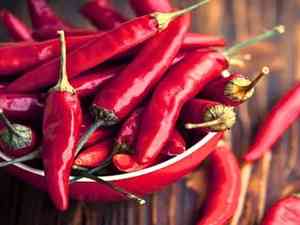
This heat-loving plant, known for its diverse range of vibrant fruits and tastes, thrives with consistent trimming to boost its harvest and overall well-being. Initiate the pruning process by eliminating any ailing or compromised leaves. Nip off the terminal buds to foster a denser growth habit, and trim any limbs that create excessive density in the plant's core to facilitate better air movement. The most effective period for pruning pepper is from the middle of spring through the end of summer, while the plant is actively developing. Pruning enhances the exposure to sunlight and the circulation of air, both crucial for warding off diseases and maximizing fruit development.
Advantages of Trimming Pepper
Advantages of Trimming Pepper
Trimming pepper promotes robust development by channeling energy to the strongest shoots. It also aids in maintaining the desired form and size for optimal space utilization and visual appeal.
Optimal Period for Trimming Pepper
Optimal Period for Trimming Pepper
These periods are ideal because pepper enters a strong growth phase in spring, which supports recovery from trimming and encourages a bushier habit. Trimming at this time stimulates new growth and can lead to a more sturdy plant structure capable of supporting fruit production. Late summer trimming should be done carefully, ensuring it doesn't hinder fruit development. Trimming during this phase might be necessary to remove unproductive stems or to open the plant canopy for improved light penetration and air circulation, which can lower disease risk and enhance fruit quality.
Necessary Tools for Trimming Pepper
Hand Pruners
Perfect for making precise cuts on pepper's stems. Opt for bypass pruners over anvil types to prevent stem damage.
Pruning Shears
Useful for shaping pepper and snipping off any unwanted smaller branches or shoots.
Gloves
Protect hands from pepper's potentially rough stems and from any plant sap, which might cause skin irritation.
Sanitizing Materials
Rubbing alcohol or a bleach solution to disinfect tools before and after use, preventing disease spread in pepper.
Garden Scissors
For thinning out pepper's smaller, delicate branches and for harvesting fruit without causing damage to the plant.
Twine or Plant Ties
For supporting pepper's branches after trimming to maintain its desired structure and support heavy fruit set.
How to Trim Pepper
Step1: Tool Sterilization
Sterilize your trimming tools before you begin to prevent the spread of disease to pepper. Use rubbing alcohol or a household disinfectant to clean the blades thoroughly.
Step2: Dead Stem Removal
Inspect pepper to identify dead stems, which will appear brown and brittle. Cut dead stems at the base, making a clean cut just above a healthy leaf node or branch intersection.
Step3: Diseased Section Pruning
Examine pepper for diseased sections, which may show signs of rot, fungus, or unusual coloration. Trim these sections well below the affected area to ensure all diseased tissue is removed. Dispose of diseased material immediately and do not compost.
Step4: Foliage Thinning
Reduce excessive foliage to improve air circulation and light penetration, which are vital for the health and productivity of pepper. Snip off dense leaves and smaller branches using clean cuts at a 45-degree angle, ensuring you do not damage main stems or fruiting branches.
Step5: Yellow Leaf Trimming
Remove yellow leaves that often indicate aging or stress. Clip them off close to the stem, being careful not to tear or harm nearby stems or leaves that are still healthy.
Step6: Withered Branch Cutting
Trim withered branches that no longer produce fruit or show signs of life. Cut these branches back to a main stem or another outward facing branch to promote better structure and growth.
Step7: Debris Clearance
After trimming, clear all cuttings from the soil surface to reduce the likelihood of disease or pest problems.
Step8: Post-Trimming Watering
Water pepper to help it recover from the stress of trimming, but avoid overwatering as pepper does not like soggy soil.
Step9: Growth Monitoring and Fertilizing
Monitor pepper after trimming for signs of new growth, and consider fertilizing if growth appears slow, using a balanced fertilizer suitable for pepper.
Step10: Regular Pruning Checks
Finally, periodically recheck pepper every few weeks and repeat the trimming process as necessary to maintain plant health and productivity.
Post-Trimming Care for Pepper
Post-Trimming Care for Pepper
Immediately after trimming pepper, water sufficiently to aid healing. Maintain a consistent environmentâavoiding extreme temperatures and providing partial shade to reduce stress. Adjust humidity to moderate levels. Fertilize with a balanced blend to replenish nutrients, aiding vigorous regrowth. Monitor pepper for wilting, discoloration, or lesions, indicators of stress or infection. Should these signs appear, provide necessary interventions promptly, such as adjusting care conditions or applying organic fungicides to prevent further issues.
Common Trimming Errors with Pepper
Avoid Over-trimming: Maximum One-Third of Plant
Over-trimming can stress pepper, causing reduced fruit yield or plant vigor. Removing more than one-third of the plant at a time should be avoided.
Don't Trim Below First Y-Branch to Sustain Fruiting
Trimming below the first Y-shaped branch might remove potential flowering sites and can reduce the number of fruits produced by pepper.
Use Sharp, Clean Tools to Prevent Disease and Damage
Using dull or dirty tools for trimming may damage the stems of pepper or introduce diseases to the plant.
Understand Plant Growth Patterns Before Trimming
Trimming without understanding the growth pattern of pepper can result in cutting the wrong stems, thereby impacting fruit production negatively.
Remove Diseased or Dead Material Promptly
Ignoring the removal of diseased or dead material from pepper can hinder healthy growth and lead to further spread of pathogens.
Common Trimming Tips for Pepper
Clean Cuts Above Nodes with Sterilized Tools for Branching
Make clean cuts using sharp and sterilized tools just above new leaf nodes or buds to encourage branching and increased fruiting in pepper.
Maintain Open Center for Better Sunlight and Air Flow
Trim pepper to maintain an open center, removing any crossing branches or shoots that grow inward, to increase sunlight penetration and air circulation.
Regularly Remove Diseased or Dead Branches for Health
Regularly remove any diseased or dead branches from pepper to direct energy to healthy growth and fruit production.
Pinch Off Early Flowers to Strengthen Young Plants
Pinch off early flowers of pepper, especially if the plant is young, to allow it to invest more energy into growing stronger before producing fruit.
Thin Out Fruits for Larger, Quality Harvest
Thin out some of the smaller fruits on pepper to enable the plant to focus its resources on developing fewer, but larger and higher-quality peppers.
Leave Several Nodes on Stems When Cutting Back
When cutting back, always leave several nodes on the stems of pepper, as this will assist in vigorous regrowth and prevent stunting the plant.



