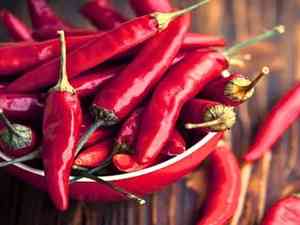
Pepper (Capsicum annuum)
Also known as: Chili pepper, Facing heaven pepper, Jalapeño, Anaheim pepper
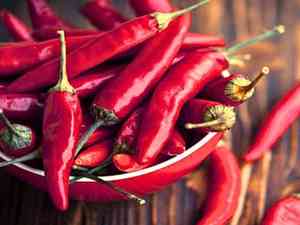
Peppers are widely used in cooking across regions like the Southern United States and Central America. They come in a range of spiciness levels due to the many different varieties. Cayenne powder is a well-known seasoning derived from these pepper plants.
Attributes of Pepper
Images of Pepper
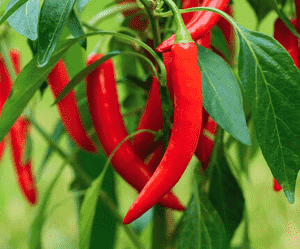
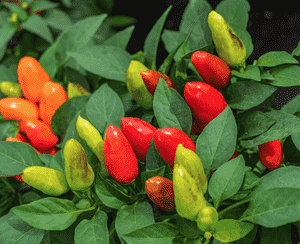
Quickly Identify Pepper
Scientific Classification of Pepper
Planting and Growing of Pepper
 How to Water Pepper?
 What Are the Sunlight Requirements for Pepper?
 What Is the Ideal Temperature Range for Pepper?
 What Soil is Best for Pepper?
 How to Fertilize Pepper?
 How to Prune Pepper?
 How to Propagate Pepper plant?
 How to Repot Pepper plant?
Toxicity of Pepper
Is Pepper toxic to cat?
Pepper is identified as a toxic species for felines. There exists a risk of poisoning if a cat accidentally consumes any part of the plant. In particular, the fruits, leaves, and sap/juice of the pepper plant can be harmful. If ingested, a cat may show symptoms of distress, indicating a toxic response. In such urgent situations, immediate veterinary assistance is necessary, and it is vital for cat owners to swiftly seek care at a veterinary facility following any suspected poisoning event.
Is Pepper toxic to dog?
Pepper is known to be toxic to dogs. If dogs accidentally ingest any part of the plant, they can become poisoned. The components of the pepper plant that present a danger include the fruits, leaves, and sap/juice. Following the consumption of pepper, dogs may display a range of symptoms that indicate poisoning. It is crucial for dog owners to keep a close eye on their pets for any signs of discomfort and to seek prompt veterinary assistance if poisoning is believed to have occurred.



