The Pepper Plant Advantage: Maximizing Home and Office Appeal and Wellness
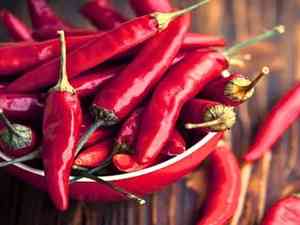
1
Bell peppers are rich in vitamins A and C, strengthening your body's defenses.
2
Adding bell peppers to your meals can support better gut function.
3
Bell peppers possess anti-inflammatory qualities, assisting with discomfort reduction.
What Are the Health Benefits of Pepper?
Rich in Vital Nutrients
Pepper offers an excellent supply of key nutrients, including vitamins A, C, and E, potassium, fiber, and folic acid. Vitamins A and C strengthen the immune system, support vision, and promote healthy skin. Additionally, its fiber content aids digestion and prevents constipation, making Pepper a valuable part of a balanced diet.
Anti-Inflammatory Properties
A notable characteristic of Pepper is its capacity to reduce inflammation. The capsaicin compound found in Pepper provides pain relief for conditions like arthritis and muscle stiffness. Regular intake of Pepper can help decrease bodily inflammation, improving overall health and well-being.
How Can Pepper Improve Digestive Health?
Boosts Metabolism
Capsaicin in Pepper not only delivers a spicy kick but also enhances metabolic rate. This thermogenic compound increases the body's heat production, which in turn assists with calorie burning and weight management. Including Pepper in your diet can be a natural and effective way to boost metabolism.
Supports Gut Health
Pepper contains dietary fiber that encourages healthy digestion and regular bowel movements. This fiber acts as a prebiotic, nourishing beneficial gut bacteria and fostering a balanced microbiome. A healthy gut leads to a stronger immune system and improved nutrient absorption.
What Are the Culinary Uses of Pepper?
Versatile Ingredient
Pepper is a highly adaptable ingredient utilized in cuisines globally. It can be eaten raw, roasted, grilled, or incorporated into various dishes for an added burst of flavor. Its vibrant color and distinct taste make it a popular choice in salads, stir-fries, salsas, and sauces.
Enhances Flavor without Extra Calories
The vibrant and spicy nature of Pepper can elevate the flavor profile of your meals without contributing additional calories. This makes it an excellent option for those aiming to manage their weight while enjoying delicious food. A dash of Pepper can enhance the taste of soups, stews, and even desserts.
What Are the Anti-Aging Benefits of Pepper?
Protects Skin Health
The antioxidants present in Pepper help shield the skin from damage caused by free radicals. Vitamins A and C play a vital role in collagen production, ensuring skin remains firm and youthful. Regular consumption of Pepper can help delay the signs of aging, such as wrinkles and fine lines.
Promotes Hair Health
Pepper also contributes to healthy, strong hair. The vitamins and minerals in Pepper nourish hair follicles, encouraging growth and reducing hair loss. Incorporating Pepper into your diet or using extracts in hair treatments can lead to shinier, well-nourished locks.
How to Grow Pepper at Home?
Ideal Growing Conditions
Pepper thrives in warm climates with ample sunlight. For optimal growth, ensure the plant receives at least six hours of direct sunlight daily. Well-draining soil and sufficient space are also essential to prevent root crowding and promote healthy development.
Maintenance and Care Tips
Consistent watering, balanced fertilization, and pest management are crucial for maintaining healthy Pepper plants. Pruning can encourage bushier growth and more abundant yields. With proper care, Pepper can be a productive addition to your home garden, providing fresh produce for your culinary needs.



