How to Propagate Pepper?
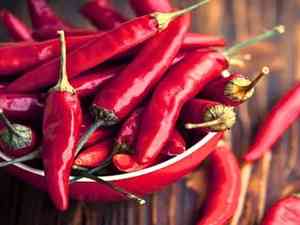
Pepper plants are readily multiplied by planting seeds, preferably in the springtime. They need a moderate level of care and warmth to germinate. Observe for the appearance of small seedlings, indicating successful propagation. Refrain from excessive watering to avert decay.
Optimal Time for Pepper Propagation
Propagation Method
Seeding
Propagation Period
Spring
Essential Tools for Pepper Propagation
Seed trays
Seed trays offer a regulated environment for planting pepper seeds. They enable efficient use of space and help maintain consistent moisture, vital for seed sprouting. The individual cells also prevent root intertwining, simplifying transplanting once seedlings are ready.
Sterile seeding mix
A sterile seeding mix guarantees pepper seeds receive a clean, nutritionally balanced medium, free from pathogens that could impede germination or seedling development. Its texture promotes good aeration and water drainage, both crucial for root formation.
Misting spray bottle
A misting spray bottle gently irrigates seeds and young pepper seedlings without disturbing the soil or causing erosion. This maintains optimal moisture levels, essential for germination and preventing the delicate roots of seedlings from drying out.
Heat mat
A heat mat provides consistent warmth from below, a key factor in enhancing the germination rate of pepper seeds. Maintaining a stable temperature range suitable for pepper encourages faster and more uniform sprouting.
Grow lights
Grow lights supply the necessary light spectrum for pepper seedlings to photosynthesize and develop robustly. This is particularly advantageous when propagating indoors or in areas with insufficient natural sunlight.
Steps to Propagate Pepper
Propagation Method
Seeding
Difficulty Level
Simple
Post-Propagation Care for Your Pepper
Post-Propagation Care for Your Pepper
Pepper plants require ample sunlight (at least 6 hours of direct sun daily) and well-draining soil. They benefit from regular watering, especially during dry periods, but avoid overwatering. Fertilize sparingly with a balanced feed. As plants mature, they may need support, such as stakes or cages. Monitor for pests and diseases, and implement preventative measures or treatments as necessary. Harvest pepper when they are firm and have reached their characteristic color, depending on the variety.
Common Errors to Avoid When Propagating Pepper
Over-watering seeds
Excessive water can cause pepper's seeds to rot before they can germinate. This deprives the seeds of necessary air circulation and can lead to fungal issues.
Ignoring soil composition
Pepper requires soil that drains well and is rich in nutrients. Failing to provide the correct soil mix can result in poor root development and weakened plant growth.
Planting seeds too deeply
If seeds are buried too far down, pepper seedlings may lack the strength to emerge through the soil, reducing the likelihood of successful germination.
Overcrowding seedlings
Planting pepper seedlings too close together can hinder their growth due to competition for light, space, and nutrients, leading to underdeveloped plants.
Neglecting to harden off seedlings
Failure to gradually acclimate pepper seedlings to outdoor conditions can lead to shock and even death upon transplantation.
Using unsterilized tools or containers
Diseases can easily spread through contaminated tools or pots, jeopardizing the health of pepper during propagation.
Tips For Propagating Pepper
Seed starting mix
Utilize a sterile seed starting mix to encourage healthy root development and prevent soil-borne diseases, which will aid pepper's germination process.
Appropriate seed depth
Sow pepper's seeds at the correct depth, typically around 0.25 inches, to ensure optimal conditions for sprouting.
Adequate spacing
Provide pepper seedlings with sufficient room to grow by spacing them appropriately. This ensures they receive ample nutrients and light, leading to more robust plants.
Bottom heat
Supplying a consistent heat source beneath pepper's seed trays can enhance germination rates by maintaining an ideal soil temperature.
Gentle watering
Water pepper's seeds and seedlings carefully to avoid dislodging or burying seeds deeper into the soil, which might affect germination.
Hardening off
Gradually expose pepper seedlings to outdoor conditions to strengthen them. This process minimizes transplant shock and increases their survival rate.



