How to Transplant Rampion?
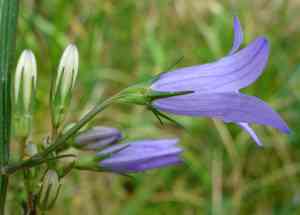
Rampion transplantation flourishes most effectively when performed in the moderate warmth of late spring or the mild beginnings of early autumn. Select a brightly illuminated spot that offers adequate drainage. During the relocation process, safeguarding the root system is crucial for fostering successful establishment.
What Preparations are Needed Before Transplanting Rampion?
What is the Ideal Time for Transplanting Rampion?
The best time to move rampion is during the pleasant conditions of late spring or the onset of early autumn. These transitional periods allow rampion to establish its root system in moderate temperatures, avoiding the harsh cold or intense heat that could harm the plant. Transplanting rampion in these seasons provides comfortable ground temperatures, crucial for root development without frost risk. The mild weather also gives rampion ample time to settle before the more challenging conditions of peak summer or deep winter arrive, fostering a supportive growth environment.
How Much Space Should You Leave Between Rampion Plants?
When relocating your rampion, ensure adequate spacing for optimal growth. A comfortable distance is 12-18 inches (30-45 cm) apart, roughly the length of a small ruler.
What is the Best Soil Mix for Rampion Transplanting?
Rampion will flourish in well-draining soil enriched with a generous amount of compost. A balanced, slow-release fertilizer can provide an additional boost to help them settle comfortably in their new location.
Where Should You Relocate Your Rampion?
Choose a location for your rampion that receives full to partial sunlight. A spot that gets approximately 6-8 hours of sun daily will ensure your rampion thrives.
What Equipments Should You Prepare Before Transplantation Rampion?
Gardening Gloves
To shield your hands while handling soil and plants.
Shovel or Spade
For excavating the plant and preparing the new planting site.
Watering Can
To hydrate the plant before and after relocation to minimize stress.
Pruning Shears
To trim any damaged roots or excess foliage prior to transplanting.
Garden Trowel
For more precise digging, especially with smaller plants or confined areas.
Garden Fork
To loosen the soil around the plant and assist in lifting the root ball.
Wheelbarrow
To move the rampion and any excavated soil.
Mulch
To help maintain soil moisture and regulate temperature after transplant.
Stake or Plant Support
If rampion is tall and requires additional stability.
How Do You Remove Rampion from the Soil?
How Do You Remove Rampion from the Soil?
From Ground: First, moisten the soil around the rampion to facilitate removal. Using a shovel or garden fork, dig a wide circle around the plant, being mindful of the root ball's size, to avoid cutting essential roots. It's important to work gently and slowly as you dig to lift the plant with its roots as intact as possible.From Pot: Ensure the rampion is adequately watered. Tilt the pot and gently tap its sides to loosen the root ball. Grasp the plant at its base and carefully ease it out, keeping as much of the original soil around the roots as possible.From Seedling Tray: Water the seedlings sufficiently. Gently push from the bottom of the cell to extract the rampion. Handle carefully by the leaves rather than the delicate stem to prevent damage.
Step-by-Step Guide for Transplanting Rampion
Preparation
Gather all necessary tools. If the rampion is in the ground, thoroughly water the area to make the soil easier to work with.
Dig New Hole
Excavate a hole in the designated area that is twice the width of the rampion's root ball and of equal depth, ensuring the plant sits at the same level it previously grew.
Root Pruning
Using pruning shears, trim away any damaged or excessively long roots, making clean cuts to encourage healthy root development after transplant.
Placing the Plant
Carefully position the rampion in the center of the new hole. Spread its roots outwards and ensure the plant is standing upright.
Refill the Hole
Gently backfill the hole with the excavated soil, lightly patting it down to remove any air pockets without overly compacting the soil around the roots.
Watering
Water the rampion thoroughly to settle the roots and soil, providing consistent moisture without making it waterlogged.
Mulching
Apply a layer of mulch around the base of the rampion to help retain soil moisture and regulate temperature, but keep it away from the plant's stem to prevent rot.
Staking
If the rampion is tall or in a windy location, insert a stake into the ground next to the plant and tie the rampion to the stake for support, allowing for some natural movement.
How Do You Care For Rampion After Transplanting?
Regular Watering
Ensure the soil remains moist by watering consistently, especially during the initial weeks, to aid rampion's establishment. Early morning or late afternoon is the best time for watering.
Checking Growth
Observe the rampion for any signs of stress or new growth. Fresh foliage indicates a successful transplant.
Proper Ventilation
Ensure the rampion is situated in an area with good air circulation to minimize the risk of fungal diseases.
Troubleshooting Common Issues with Rampion Transplantation.
When is the best time to transplant rampion?
Transplant rampion during late spring to early summer or from mid-autumn to early winter, for season-aligned growth.
How far apart should I space rampion when transplanting?
Space rampion 12-18 inches (30-45 cm) apart to ensure proper growth and airflow between plants.
Why is my rampion wilting after transplant?
Wilting may occur due to transplant shock. Ensure gentle handling, appropriate watering, and shade from strong sun for recovery.
What soil conditions favor rampion after transplanting?
Well-draining, fertile soil with a pH of 6.0-7.5 is ideal for rampion to thrive after transplanting.
How much sunlight does rampion need after transplanting?
Rampion prefers full sun to partial shade; too little light may impede growth, while too much can stress the plant.
Can I transplant rampion during a hot day?
Itâs best to transplant rampion on a cloudy day or in the late afternoon to reduce heat stress and dehydration.
How do I water rampion after transplanting?
Water rampion thoroughly after transplanting and maintain consistent moisture, avoiding both soggy and dry extremes for optimal recovery.
What should I do to prevent root damage when transplanting rampion?
Carefully dig around rampion with ample soil, lift gently, and minimize root disturbance to prevent damage during the transplant process.
Can I use fertilizer right after transplanting rampion?
Wait a few weeks before applying a balanced fertilizer to allow rampion to settle and establish its roots post-transplant.
How do I protect rampion from frost after transplanting in fall?
Mulch around the base of rampion to insulate the roots and retain soil moisture, safeguarding against early frosts.



