How Much Sunlight Do Rampion Need?
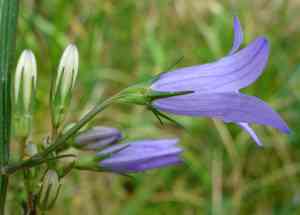
1
Rampion flourishes optimally in bright, direct light, requiring over six hours of sun exposure each day.
2
Indicators of excessive sun exposure are burned foliage and diminished bloom vibrancy.
3
Inadequate light levels may lead to stunted development and reduced floral production.
The Importance of Light for Rampion
Photosynthesis and Development
Light serves as the primary energy source for Rampion, just like for all plant life. Through photosynthesis, Rampion transforms solar energy into chemical energy, which powers its growth and maturation. Without sufficient light, the plant cannot photosynthesize effectively, leading to stunted development and weak, elongated stems.
Blossom Production
Rampion's flowering process relies heavily on adequate light. Sufficient sunlight promotes abundant flower development, which is vital for the plant's life cycle and for gardeners who wish to enjoy its beautiful blooms. Without enough light, the plant might produce few or no flowers, diminishing its aesthetic value.
Optimal Light Conditions for Rampion
Required Light Duration
Rampion flourishes in full sun, requiring a minimum of six hours of direct sunlight daily. This level of exposure ensures the plant can efficiently perform photosynthesis and maintain robust growth. While Rampion can endure partial sun, it will perform best and flower most profusely in full sun conditions.
Best Times for Light Exposure
The most favorable times for Rampion to receive sunlight are during the morning and early afternoon. Morning light is often less intense and helps the plant avoid the extreme heat and potential damage of midday sun. However, consistent sunlight throughout the day, provided it doesn't exceed the plant's tolerance, is ideal for peak growth.
Ensuring Adequate Light for Your Rampion
Selecting the Right Spot
Choose a location in your garden that receives ample sunlight throughout the day. A south-facing position is typically optimal as it maximizes light exposure. Ensure there are no large trees, buildings, or other structures that could cast shadows on your Rampion, limiting its access to sunlight.
Utilizing Reflective Surfaces
If your garden has limited direct sunlight, consider employing reflective materials to boost light exposure. Aluminum foil, white paint on nearby surfaces, or specialized garden reflectors can help redirect sunlight towards your plants, ensuring they receive the light they need even in less-than-ideal conditions.
Adapting to Seasonal Changes
Sunlight levels fluctuate with the seasons, affecting how much light your Rampion receives. In winter, when days are shorter, you might need to move potted Rampion plants to brighter spots or use grow lights to compensate for reduced natural light. In summer, monitor plants for signs of excessive exposure and provide shade during the hottest parts of the day if necessary.
Common Light-Related Issues and Solutions for Rampion
Indicators of Insufficient Light
If your Rampion isn't getting enough light, you might observe slow growth, elongated and weak stems, or pale leaves. The plant may also fail to bloom, significantly reducing its visual appeal.
Indicators of Excessive Light
Too much sunlight can cause Rampion leaves to scorch and flowers to fade, becoming less vibrant. You might also notice wilting and leaf curling due to excessive heat and light stress.
Addressing Insufficient Light for Rampion
If your Rampion lacks sunlight, consider moving it to a brighter location. If relocating the plant isn't feasible, as mentioned earlier, enhance light exposure using reflective materials or an artificial grow light to supplement natural light.
Addressing Excessive Light for Rampion
If Rampion appears to be receiving too much sunlight, provide partial shade during the day's hottest periods using a shade cloth or strategically planted taller plants to offer some protection. Mulching around the plant's base can also help retain moisture and mitigate heat stress.
Further Advice for Managing Rampion's Light Exposure
Companion Planting Strategies
Cultivate Rampion alongside companion plants that have similar light requirements. This can create a micro-environment that helps stabilize light and moisture levels, benefiting all plants involved. Suitable companions might include other sun-loving herbs or flowers.
Monitoring Plant Health Regularly
Periodically inspect your Rampion for signs of light-related stress. Wilting, discoloration, or slowed growth can all indicate light issues. Address any problems promptly to ensure your plant remains healthy and continues to flourish.



