How to Propagate Rampion?
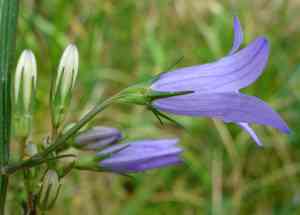
Rampion is typically multiplied by seeding. For optimal growth, choosing a soil that drains effectively and a spot receiving partial sun is essential. Seeds must be sown on the surface since they need light for sprouting; lightly pressing them into the earth without burial is an efficient method. Maintaining damp, but not saturated, soil aids in germination. After the young plants have produced their true leaves and are sufficiently strong, they can be moved to their permanent planting sites, allowing ample room for full development.
Optimal Period for Rampion Propagation
Propagation Method
Seeding
Propagation Period
Spring
Tools for Rampion Propagation
Seed trays
Seed trays are vital for initiating rampion seeds indoors or in a controlled setting. Their shallow compartments are perfect for maintaining the correct soil depth needed for sprouting. Seed trays aid in organizing and safeguarding seeds while enabling easy monitoring of moisture levels and growth progression.
Fine seed compost
Fine seed compost offers a loose, nutrient-rich medium essential for rampion seed germination. It ensures excellent root aeration and drainage, minimizing the risk of root diseases and supporting robust initial development.
Misting bottle
A misting bottle is crucial for gently hydrating rampion seeds without dislodging them. The fine mist delivers uniform moisture, vital for seed germination, without causing soil erosion or seed displacement.
Grow lights
Grow lights benefit the initial phases of rampion propagation, especially when starting seeds indoors during less sunny periods. They provide consistent illumination, which is crucial for young plants to photosynthesize and develop healthily.
Labeling markers
Labeling markers are utilized to tag seed trays with important details about rampion. This assists in tracking germination and growth progress, ensuring each plant variety receives care tailored to its specific requirements.
How to Propagate Rampion?
Propagation Type
Simple
Caring for Your Newly Propagated Rampion
Caring for Your Newly Propagated Rampion
Post-propagation, continue to provide rampion with well-draining soil and sufficient moisture without over-saturating. Rampion thrives in sunny to partially shaded locations. Regular weeding will help rampion establish without competition, and seasonal feeding with a balanced fertilizer promotes healthy growth. Proper care ensures strong development and flowering.
Common Errors to Avoid When Propagating Rampion
Overwatering
Excessive moisture can lead to root rot and fungal infections, compromising rampion's health and impeding root development.
Using poor quality soil
Soil lacking adequate nutrients or drainage can prevent rampion from establishing a healthy root system, resulting in weak growth or plant failure.
Planting depth inconsistency
Planting rampion's seeds or cuttings too deep or too shallow can impact germination rates and root development, as rampion requires a specific planting depth to flourish.
Neglecting temperature needs
Ignoring rampion's temperature preferences can stress the plant and lead to poor propagation success, as rampion has optimal temperature ranges for growth.
Overcrowding
Placing rampion seeds or plants too close together can result in competition for resources, leading to stunted growth and reduced propagation success.
Advice for Propagating Rampion
Appropriate watering
Maintain a balance by keeping the soil moist but not waterlogged to support healthy root growth in rampion.
High-quality soil mix
Use a well-draining soil mix enriched with organic matter to provide rampion with the necessary nutrients and support for successful propagation.
Correct planting depth
Ensure that rampion's seeds or cuttings are planted at the recommended depth to facilitate proper germination and root establishment.
Temperature regulation
Maintain the specific, suitable temperature range for rampion to ensure optimal growth conditions for propagation.
Adequate spacing
Space rampion seeds and plants appropriately to allow for sufficient airflow and access to sunlight, reducing competition and increasing propagation success.



